
Field Notes from N1JUR
Real-world ham radio tips, portable operating lessons, gear thoughts, antenna experiments, and activation stories from the field to the shack.
This is where the longer-form stuff lives: the lessons that need more room than a video description, the builds worth documenting, the POTA takeaways worth saving, and the “well, that was useful after it stopped being annoying” moments.
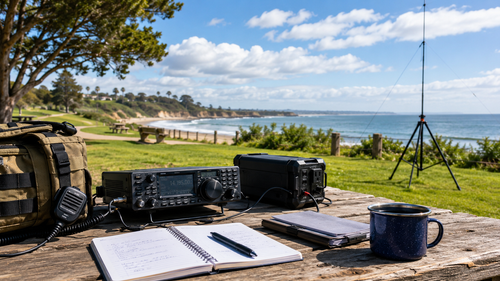

Fresh From the Logbook
The newest article from the N1JUR Field Notes collection — ham radio lessons, portable operating ideas, gear thoughts, antenna builds, and real-world takeaways from actually getting on the air.
Find the Notes That Match Your Current RF Problem
Whether you’re new to ham radio, planning your first POTA activation, comparing antennas, or trying to avoid another questionable packing decision, start here.
Getting Started
Beginner-friendly articles, practical explanations, first-station thoughts, and advice for getting from licensed to actually active.
Activations
Parks on the Air lessons, portable radio setups, field notes, logging ideas, batteries, antennas, and activation stories.
Gear & Antennas
Field-tested gear notes, antenna comparisons, build thoughts, power setups, and what actually earns a spot in the bag.
Past Posts, Builds, Lessons, and Rabbit Holes
Browse older Field Notes covering ham radio basics, POTA activations, portable gear, antenna ideas, field operating lessons, and the occasional RF decision that made more sense before leaving the house.
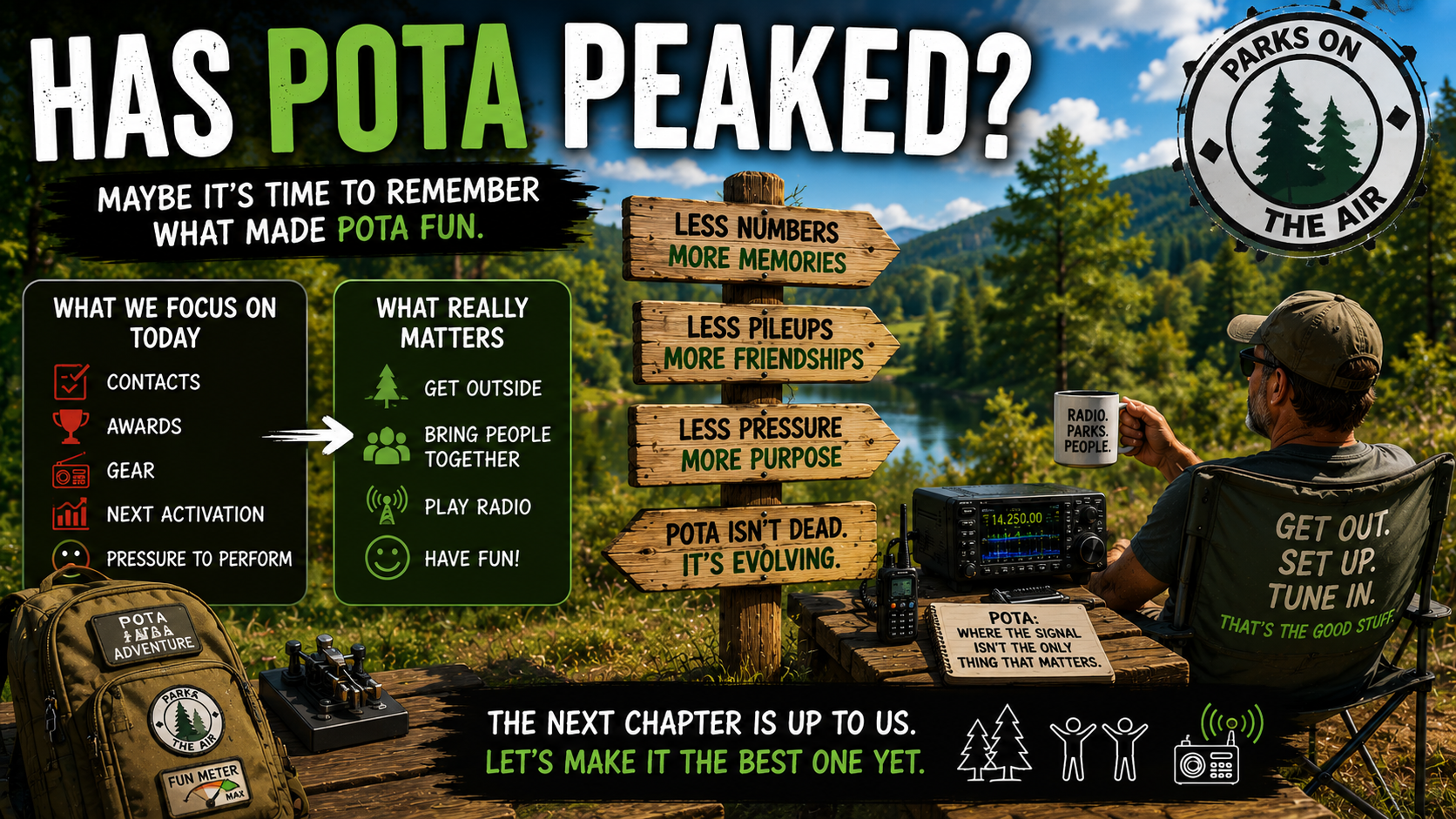
Has POTA Peaked?
Before everyone grabs their pitchforks… hear me out.
POTA isn't dead. Parks are still being activated, pileups are still happening, and somehow we're still finding new ways to carry 70 pounds of "portable" radio gear into the woods.
But POTA is changing.
Have we gotten so focused on contacts, awards, gear, and the next activation that we've started to forget what made POTA fun in the first place?
I think the next chapter of POTA might have less to do with chasing numbers and more to do with getting outside, bringing people together, and just playing radio.
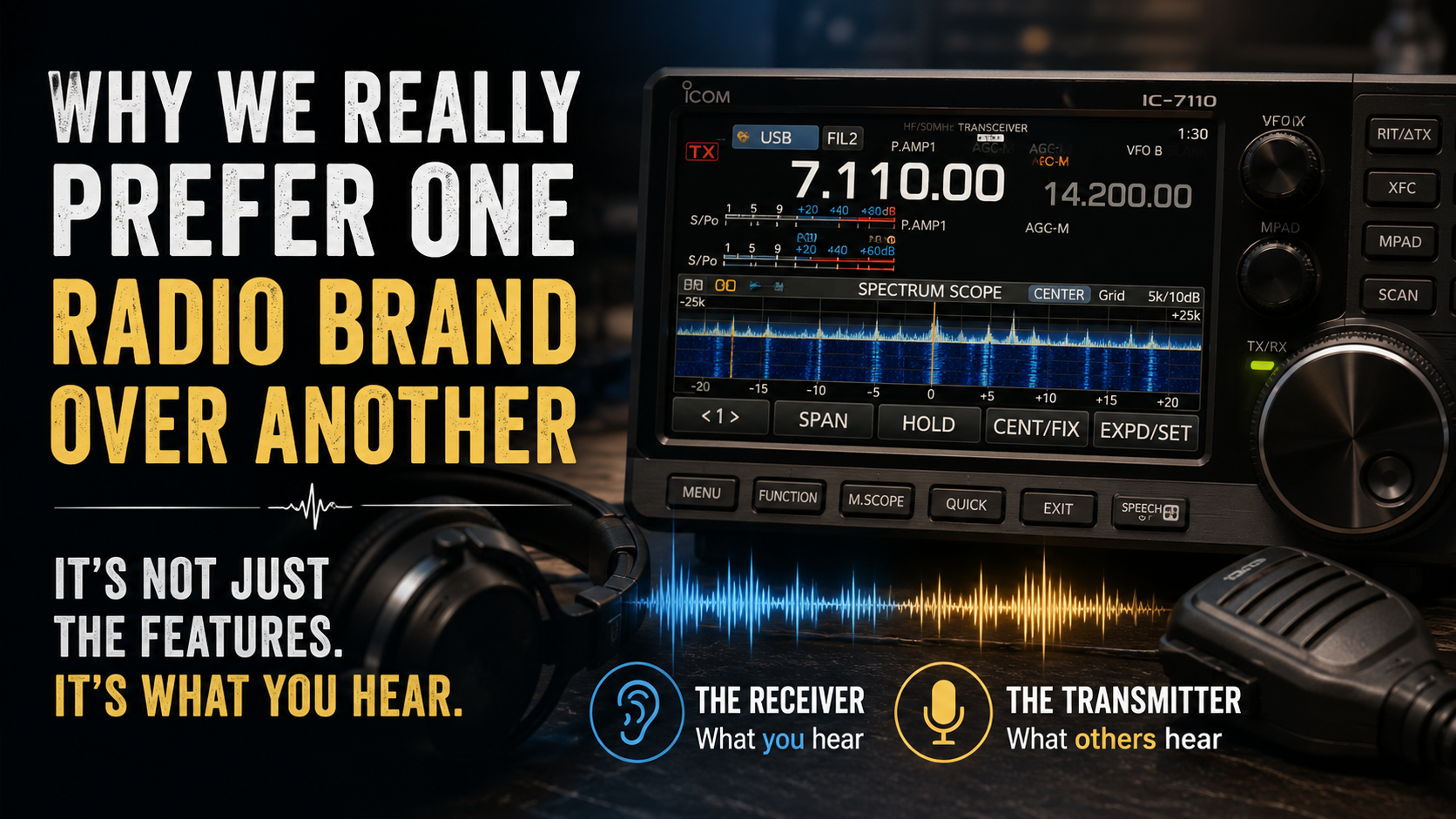
The IC-7110 Made Me Ask: Why Do We Really Prefer One Radio Brand Over Another?
The new Icom IC-7110 has Bluetooth, Wi-Fi, USB-C, D-STAR and plenty of modern features. But is that really why we prefer one radio brand over another? Maybe it comes down to something much simpler: how a radio sounds.
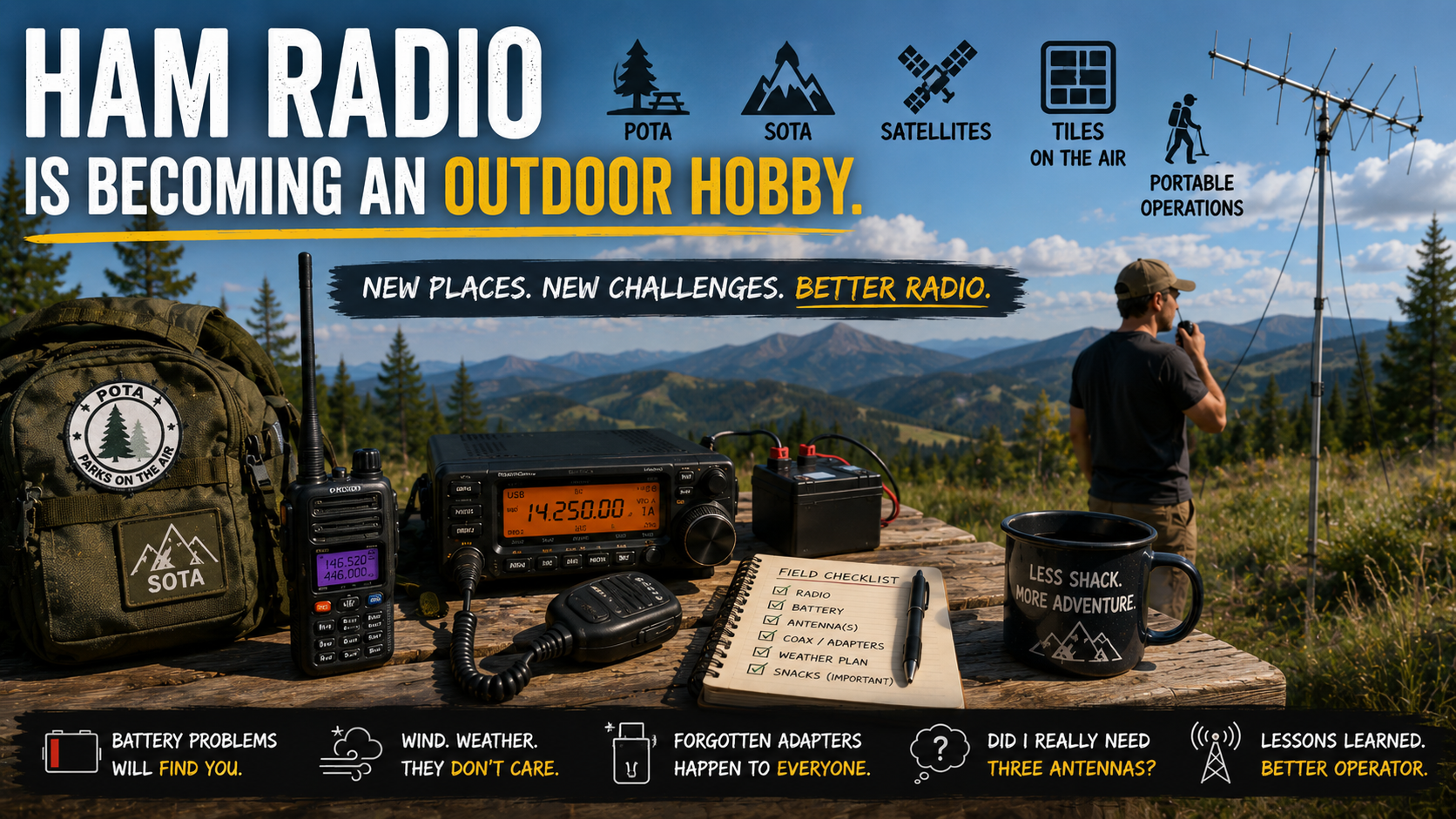
Ham Radio Is Becoming an Outdoor Hobby — and That’s a Good Thing
Think about what amateur radio looks like today.
Radios on picnic tables.
Antennas hanging from trees.
Backpacks on mountains.
People standing in fields pointing Yagis at satellites.
POTA, SOTA, satellites, Tiles on the Air, and portable operating are changing where we play radio.
And I think that's a very good thing.
But operating outside also teaches you some lessons the shack never will. Battery problems, forgotten adapters, wind, weather, and the realization that maybe you didn't need to pack three antennas for a 30-minute activation.
In the latest Field Notes, I'm looking at why ham radio is moving outdoors—and a few things I've learned from taking my station into the field.

OLIGHT Oclip Pro Review: Does This Tiny Light Belong in a POTA Bag?
The OLIGHT Oclip Pro combines a floodlight, spotlight, red light, magnetic mount, and clip in one compact package. I tested it around the shack and beside an active receiver to see whether it deserved a permanent place in my POTA bag.
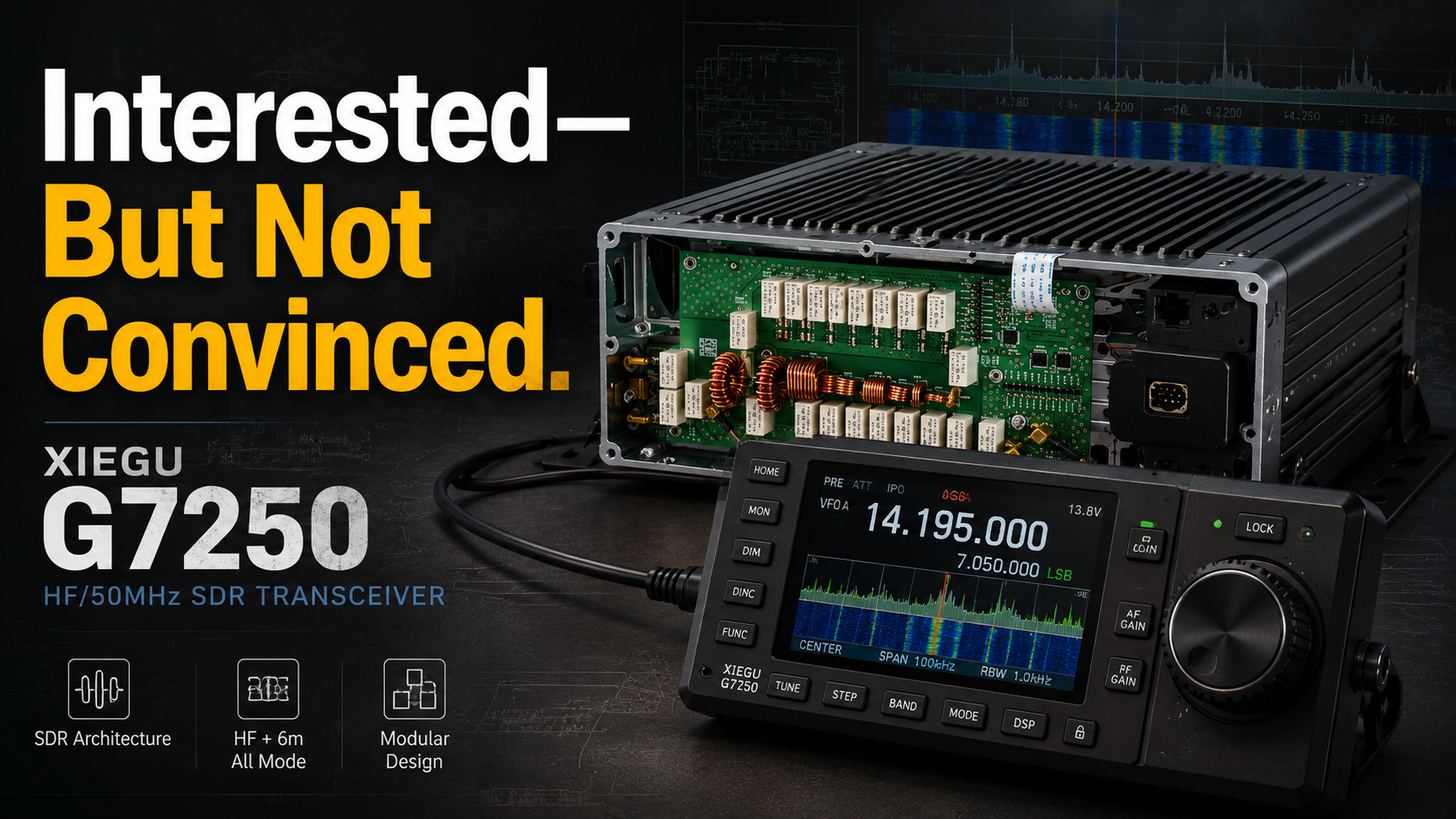
The Xiegu G7250: Staying Level-Headed While Everyone Else Chases the Hype
The Xiegu G7250 looks promising, but a large screen, 100 watts, and an Ethernet connection do not tell the complete story.
Here is a level-headed examination of what has been confirmed, what the specifications suggest, and what still needs to be proven.

Ham Radio Clubs: A World of Variety Awaits!
In today’s digital age, online clubs are becoming increasingly popular. These virtual gatherings allow you to connect with hams from different countries without leaving your home. You can participate in discussions, share tips, and even engage in contests—all from the comfort of your couch! Online clubs often have forums, chat rooms, or even live video meetings, making it easy to forge friendships and share knowledge with fellow enthusiasts.
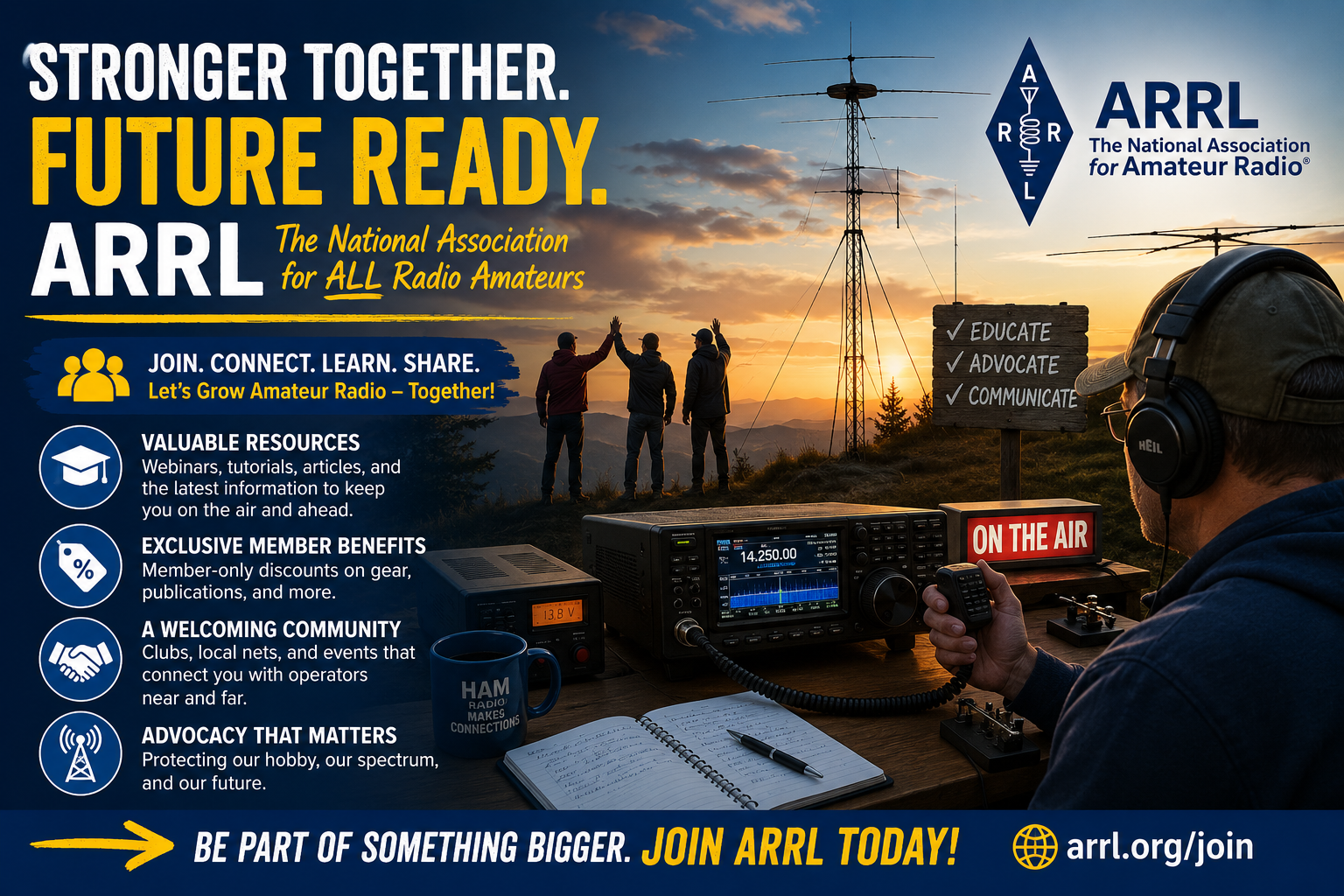
Boosting the Amateur Radio Relay League: Attracting More Radio Operators with a Fresh Approach
The ARRL has been a cornerstone of amateur radio for decades, but let’s be honest — the hobby has changed, and so have the operators we’re trying to reach. In this post, we take a look at how the ARRL could freshen up its approach, attract more licensed hams, and build a stronger, more welcoming community through better member perks, modern digital resources, gear discounts, and real engagement that gets operators excited to be part of something bigger.
Taking Ham Radio on a Family Vacation Without Becoming That Person
Every vacation location is different. One Airbnb might have wide-open trees that are perfect for an end-fed. The next might be surrounded by buildings or have no place to throw a line. Give yourself options. Flexibility starts before you even leave home.
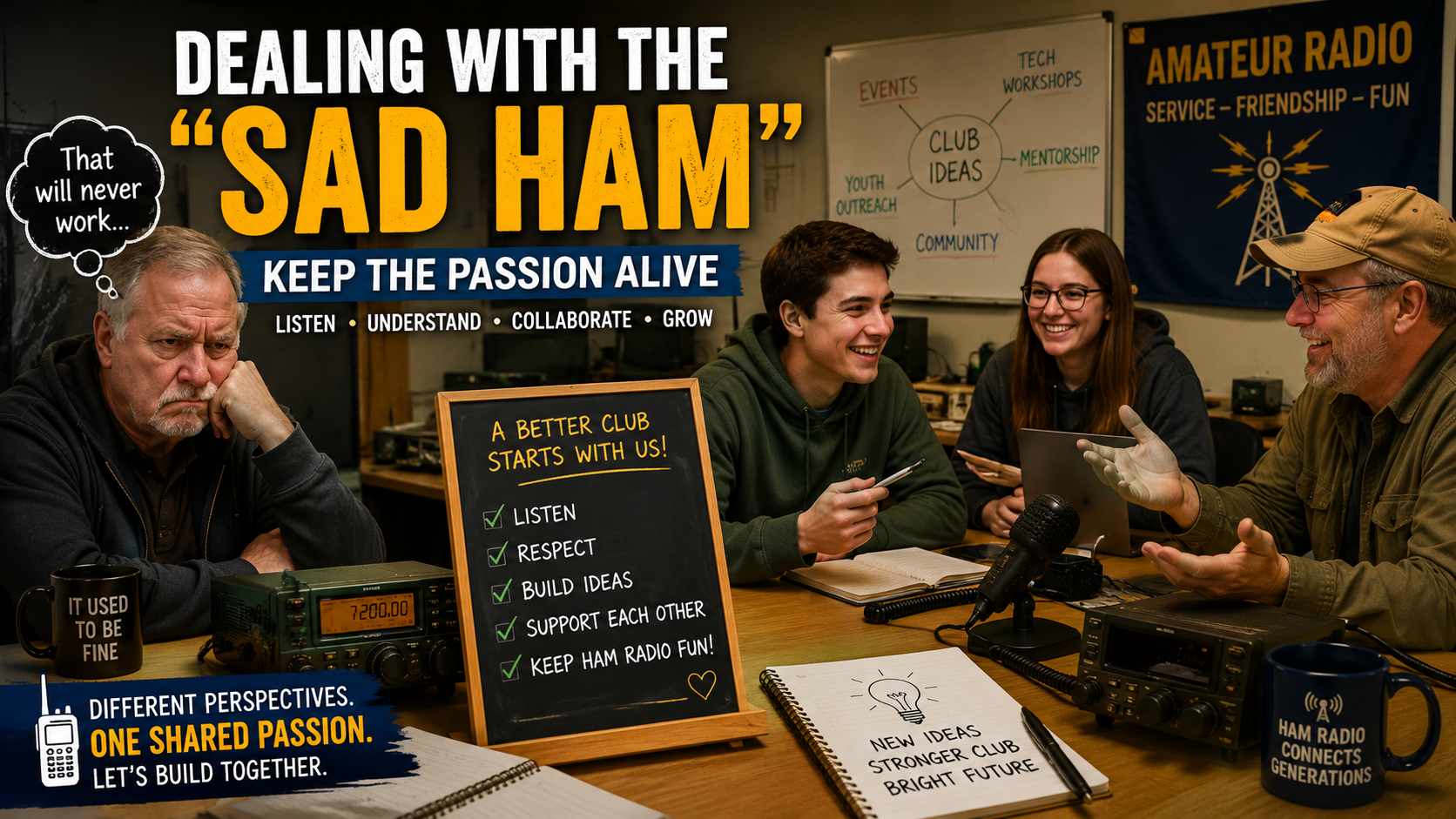
Dealing with the “Sad Ham” in Our Club: A Personal Perspective
As passionate ham radio operators, we uphold an unspoken creed rooted in our commitment to prepare for and respond to disasters. While our dedication has proven invaluable throughout history, I believe we are not fully leveraging the potential of our hobby for the greater good.
Get the Field Notes Before They Vanish Into the Feed
New articles, videos, activation notes, gear thoughts, antenna experiments, and community updates should not depend entirely on whether an algorithm had coffee.
Sign up for the N1JUR newsletter and get the useful stuff sent directly to you.
Like What’s Happening Here?
N1JUR is built around helping more people get active in ham radio through videos, Field Notes, POTA content, live streams, gear reviews, and community.
If you already watch the channel and want to support more of the work behind it, memberships are one way to help keep the signal going.
Videos. Field Notes. Live Streams. Community.
Membership support helps keep the N1JUR ecosystem moving without turning every page into a pledge drive wearing a callsign hat.
Learn About the Community →
Read the Notes. Watch the Videos. Get on the Air.
Field Notes are only useful if they help you do something: build the antenna, pack the bag, activate the park, try the mode, fix the mistake, or finally make the contact.
Start with an article, follow it into a video, bring your questions to the community, and then go make some RF happen.
Ham Radio Makes More Sense When You Actually Do It
Reading helps. Watching helps. But the real learning happens when you put the gear on the table, get outside, call CQ, and find out what works today.
Start Here →
Before everyone grabs their pitchforks… hear me out.
POTA isn't dead. Parks are still being activated, pileups are still happening, and somehow we're still finding new ways to carry 70 pounds of "portable" radio gear into the woods.
But POTA is changing.
Have we gotten so focused on contacts, awards, gear, and the next activation that we've started to forget what made POTA fun in the first place?
I think the next chapter of POTA might have less to do with chasing numbers and more to do with getting outside, bringing people together, and just playing radio.