
Ham Radio Is More Interesting Once You Start Doing Things
Field Notes is where I document what I learn along the way—portable operating, antennas, gear, projects, activations and the ideas that need a little more room than a video description.

Fresh From the Logbook
The newest article from N1JUR Field Notes.
Where Do You Want to Go Next?
Field Notes is only part of the story. Dig deeper into getting on the air, taking radio outside, or figuring out which gear actually earns a place in the setup.
Getting Started
A practical path from wondering where to begin to actually getting on the air.
Start Here →
Activations
POTA, SOTA, Tiles and the lessons that come from actually operating away from the shack.
Explore Activations →
Gear
The radios, antennas and setups I use, test and keep bringing back into the field.
Explore Gear →
Dig Into the Field Notes
Browse the complete collection of articles, projects, experiments, lessons and occasional RF rabbit holes.
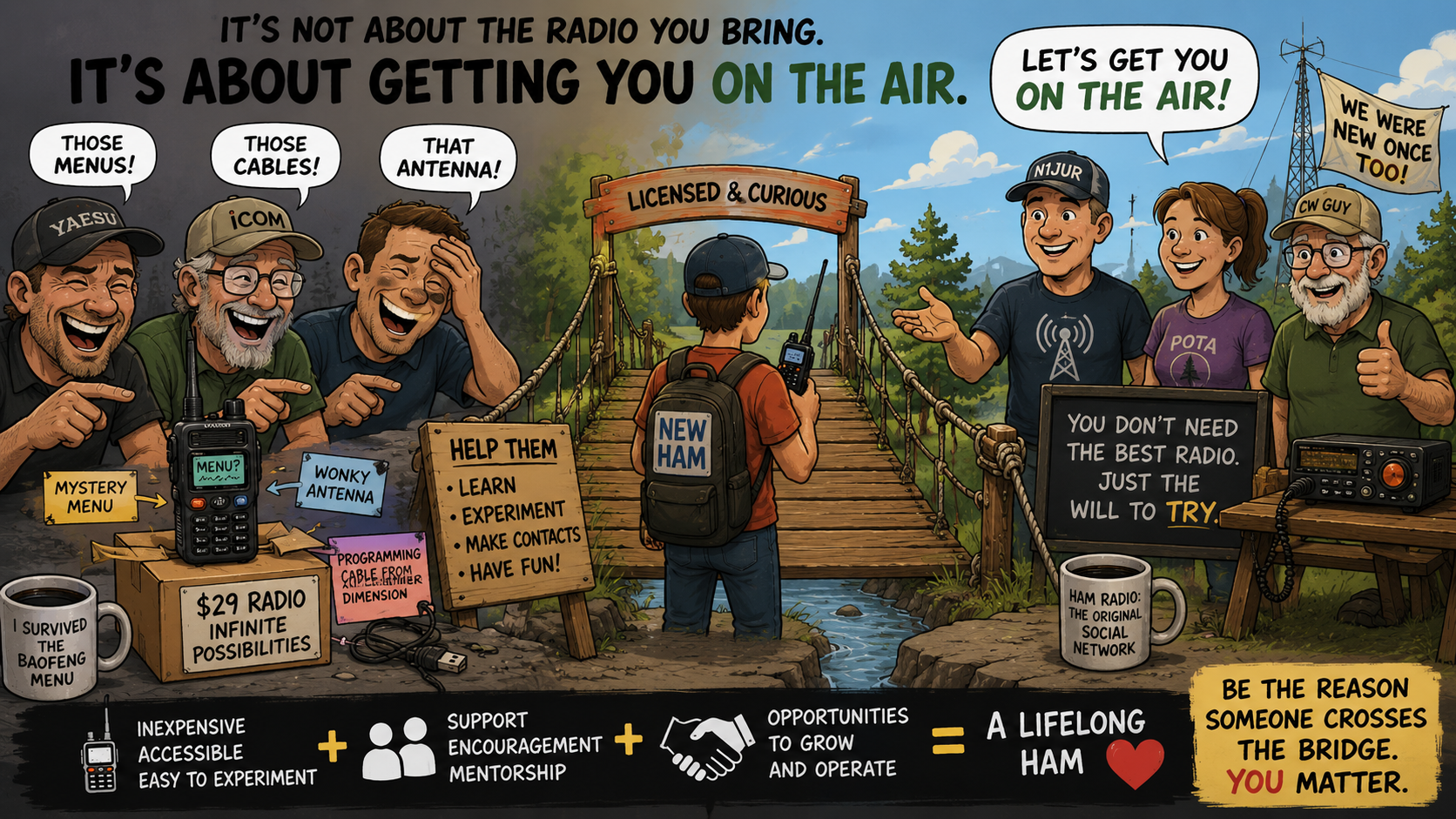
Are Cheap Chinese Radios Good for Ham Radio?
Almost every ham has one.
A Baofeng, Quansheng, Tidradio, Radioddity, or some other small handheld that cost less than the accessories attached to it.
We make fun of the menus.

The New Technician Question Pool: Are We Teaching the Right Things?
The new Technician question pool is now in use. New questions were added. Old ones were removed. Plenty were rewritten. But changing the test raises a larger question:
Are we giving new operators the foundation they need to actually grow in the hobby?

OLIGHT Oclip Pro Review: Does This Tiny Light Belong in a POTA Bag?
The OLIGHT Oclip Pro combines a floodlight, spotlight, red light, magnetic mount, and clip in one compact package. I tested it around the shack and beside an active receiver to see whether it deserved a permanent place in my POTA bag.
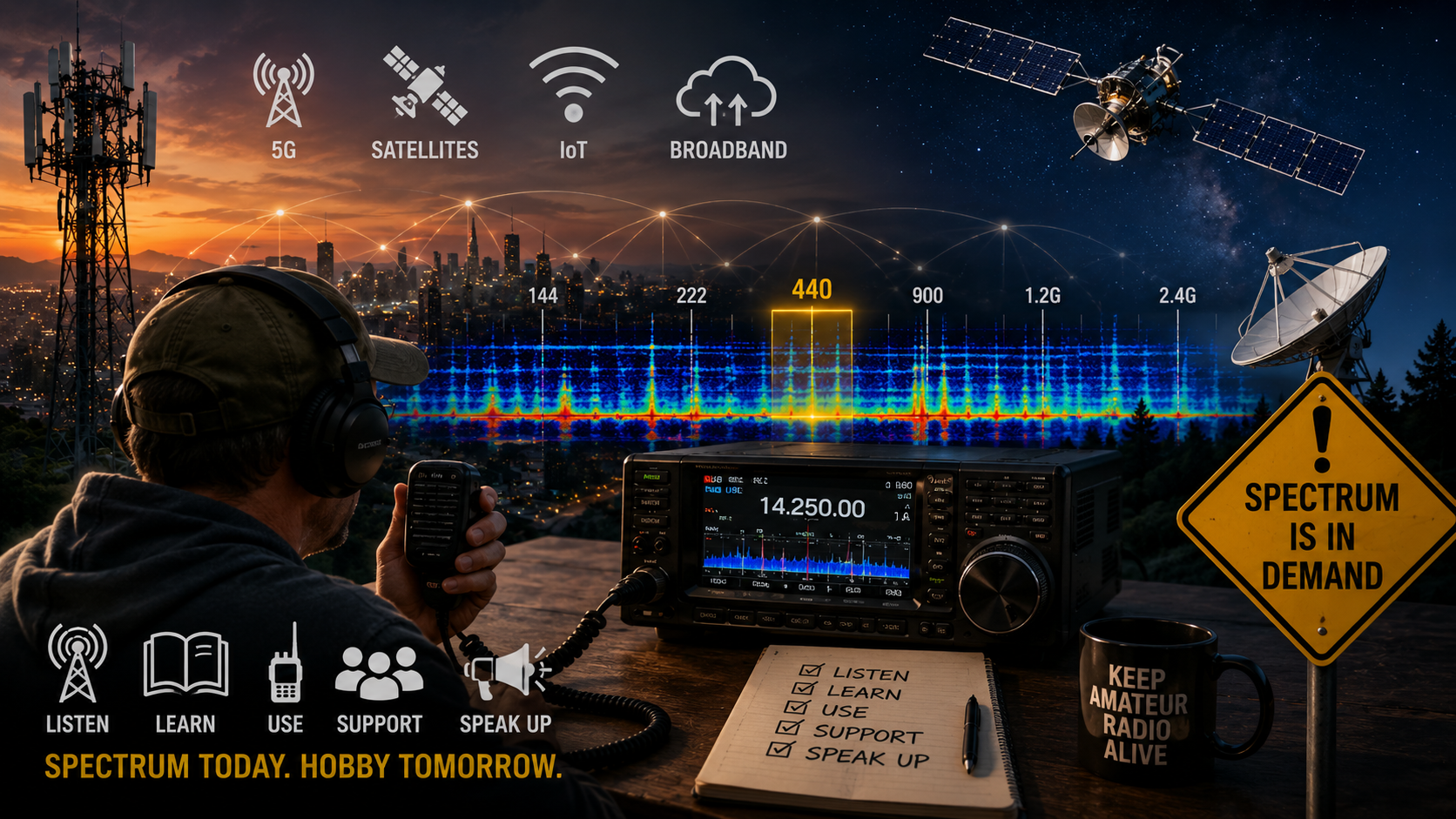
Are Amateur Radio Bands Under Pressure?
Our amateur radio bands have value. Commercial communications are growing. Satellite systems are growing. Wireless technology keeps expanding. And everyone needs spectrum. Does that mean someone is taking away 20 meters tomorrow?
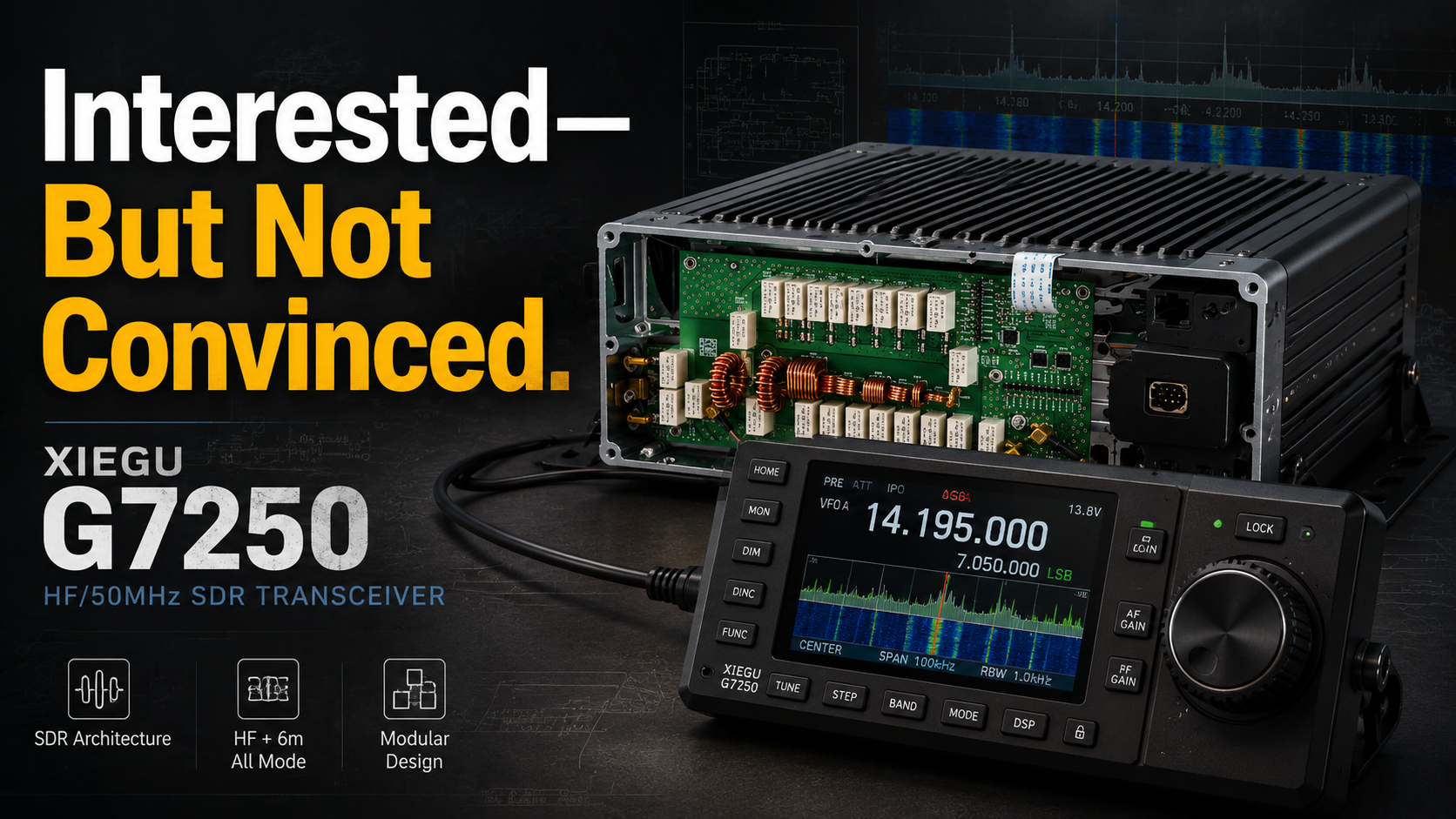
The Xiegu G7250: Staying Level-Headed While Everyone Else Chases the Hype
The Xiegu G7250 looks promising, but a large screen, 100 watts, and an Ethernet connection do not tell the complete story.
Here is a level-headed examination of what has been confirmed, what the specifications suggest, and what still needs to be proven.

Ham Radio Clubs: A World of Variety Awaits!
In today’s digital age, online clubs are becoming increasingly popular. These virtual gatherings allow you to connect with hams from different countries without leaving your home. You can participate in discussions, share tips, and even engage in contests—all from the comfort of your couch! Online clubs often have forums, chat rooms, or even live video meetings, making it easy to forge friendships and share knowledge with fellow enthusiasts.
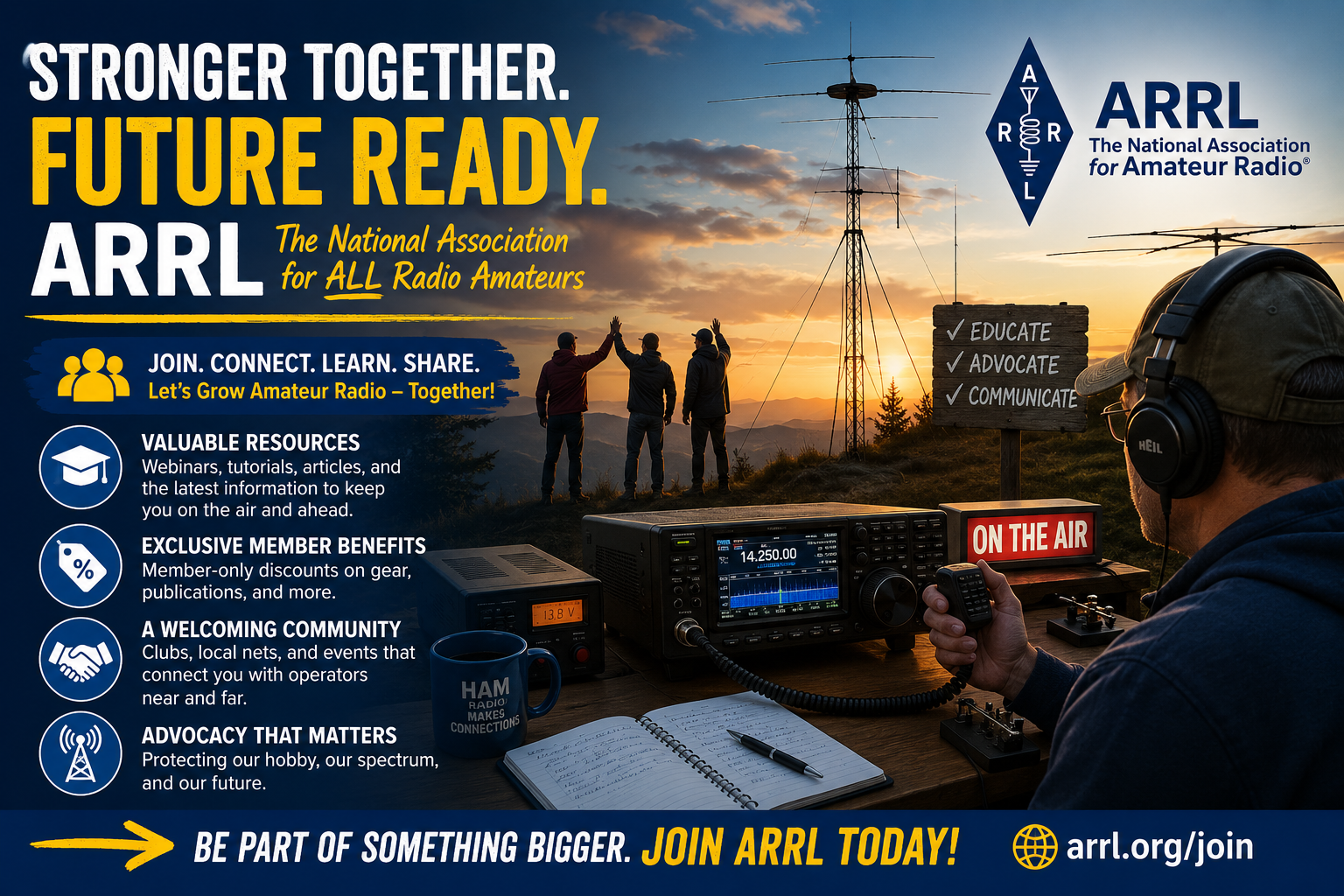
Boosting the Amateur Radio Relay League: Attracting More Radio Operators with a Fresh Approach
The ARRL has been a cornerstone of amateur radio for decades, but let’s be honest — the hobby has changed, and so have the operators we’re trying to reach. In this post, we take a look at how the ARRL could freshen up its approach, attract more licensed hams, and build a stronger, more welcoming community through better member perks, modern digital resources, gear discounts, and real engagement that gets operators excited to be part of something bigger.
Taking Ham Radio on a Family Vacation Without Becoming That Person
Every vacation location is different. One Airbnb might have wide-open trees that are perfect for an end-fed. The next might be surrounded by buildings or have no place to throw a line. Give yourself options. Flexibility starts before you even leave home.

Dealing with the “Sad Ham” in Our Club: A Personal Perspective
As passionate ham radio operators, we uphold an unspoken creed rooted in our commitment to prepare for and respond to disasters. While our dedication has proven invaluable throughout history, I believe we are not fully leveraging the potential of our hobby for the greater good.
146.52 MHz is the national 2-meter FM simplex calling frequency. But is anybody listening? Maybe the problem isn't the frequency—it's us.