
Ham Radio Is More Interesting Once You Start Doing Things
Field Notes is where I document what I learn along the way—portable operating, antennas, gear, projects, activations and the ideas that need a little more room than a video description.
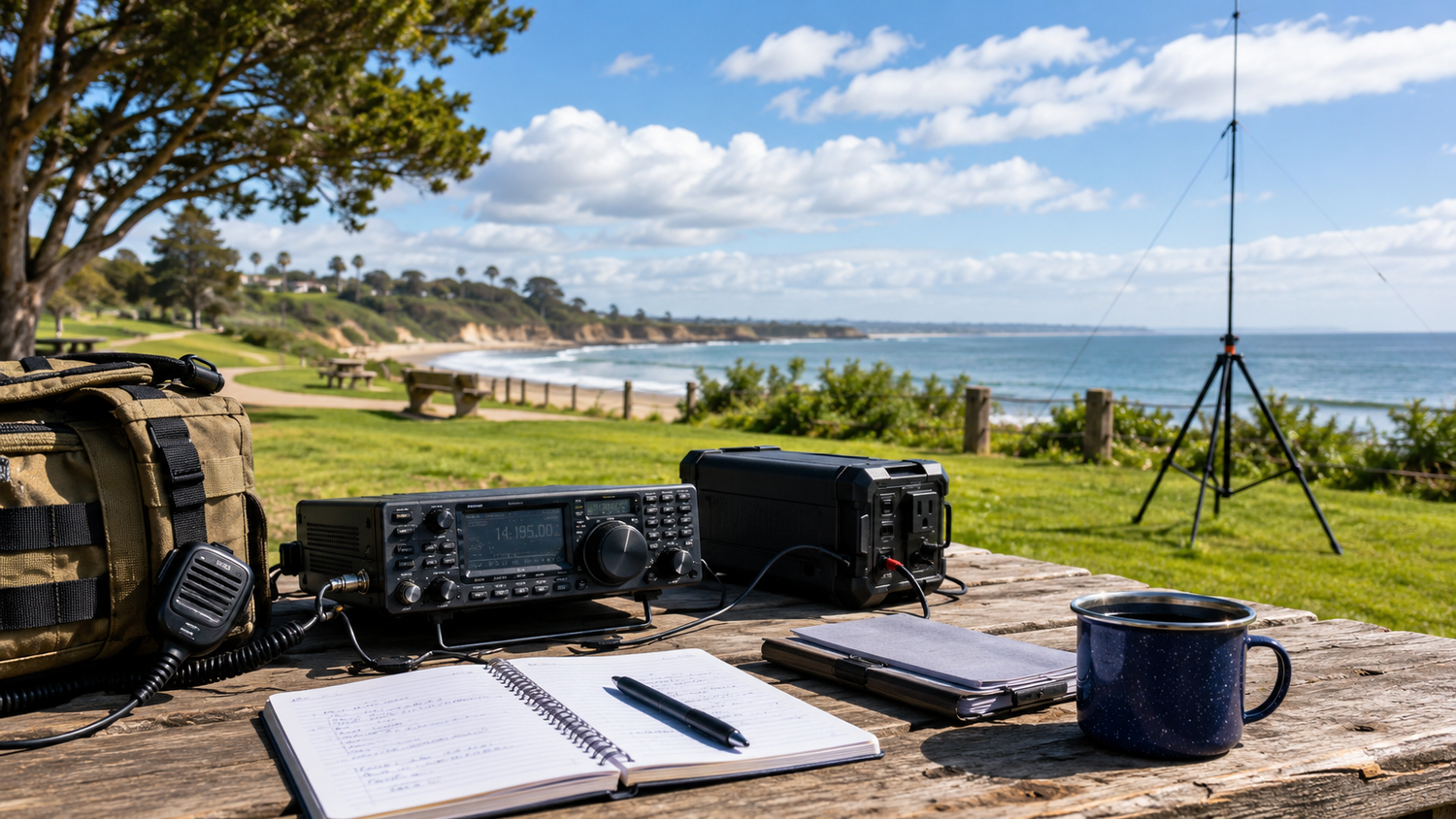

Fresh From the Logbook
The newest article from N1JUR Field Notes.
Where Do You Want to Go Next?
Field Notes is only part of the story. Dig deeper into getting on the air, taking radio outside, or figuring out which gear actually earns a place in the setup.
Getting Started
A practical path from wondering where to begin to actually getting on the air.
Start Here →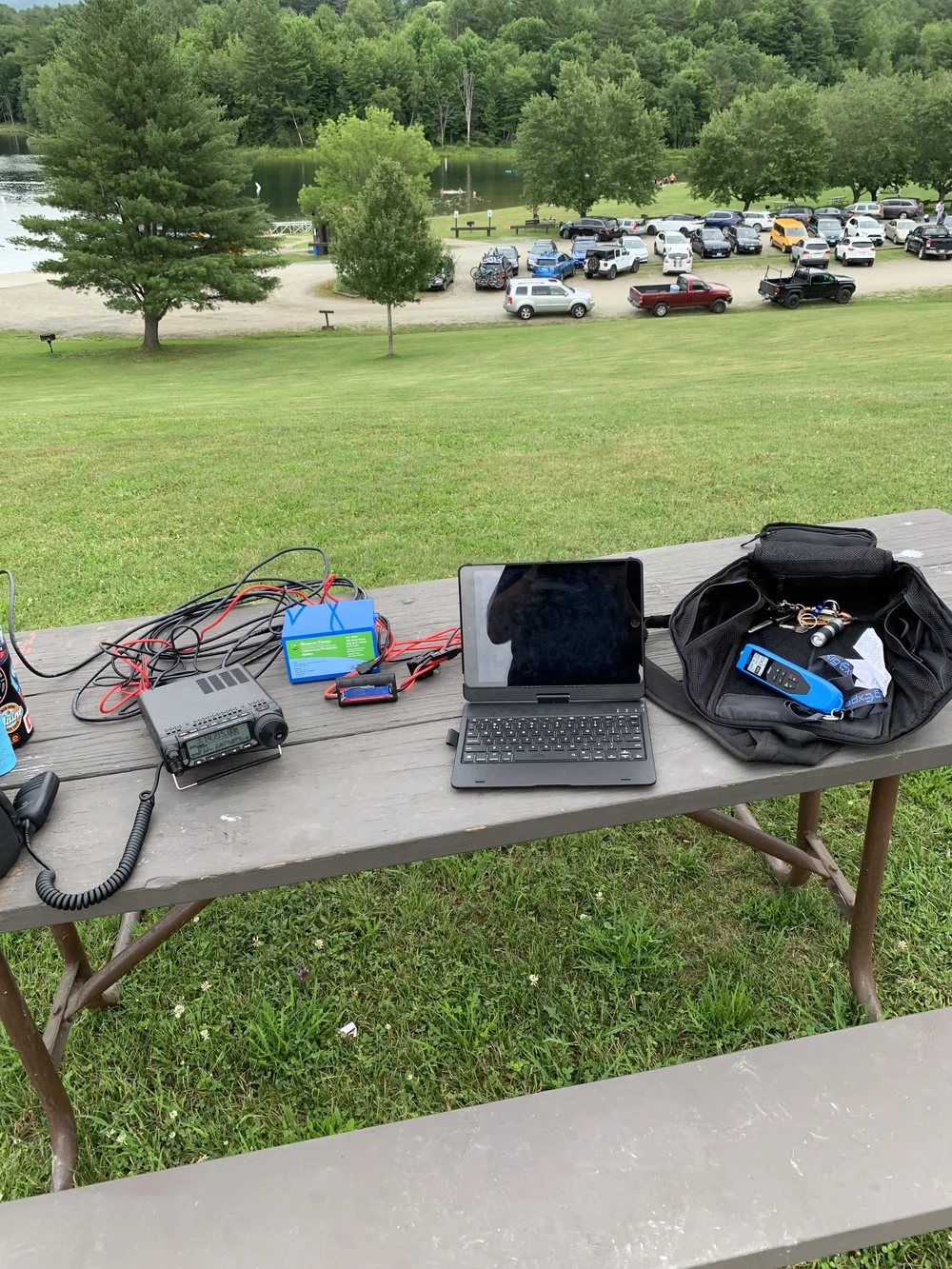
Activations
POTA, SOTA, Tiles and the lessons that come from actually operating away from the shack.
Explore Activations →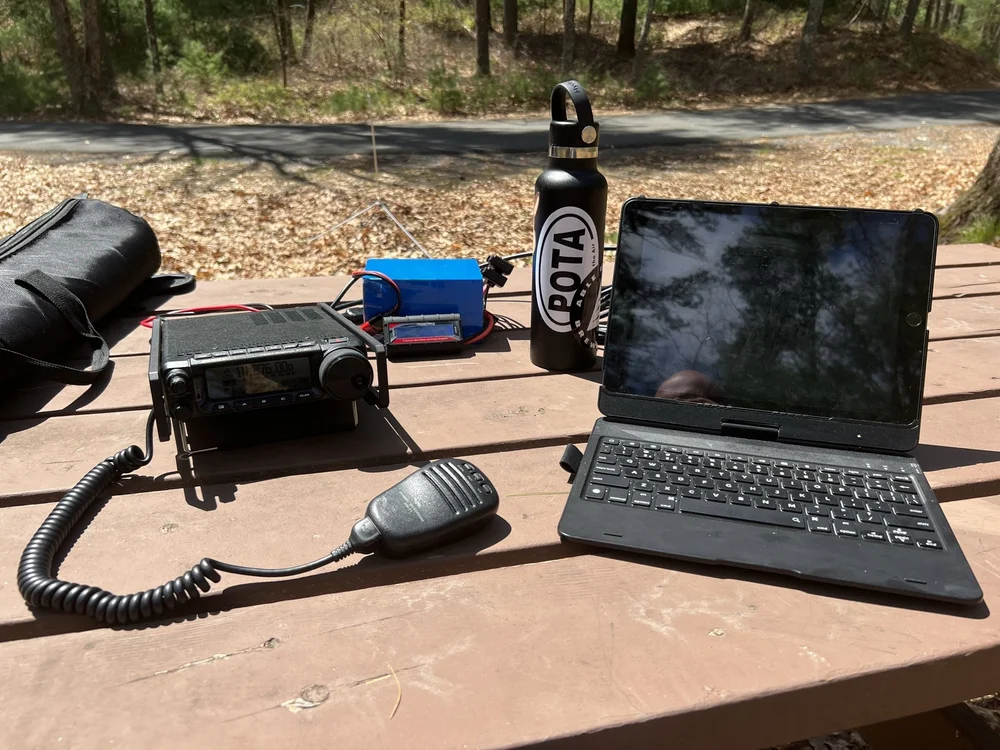
Gear
The radios, antennas and setups I use, test and keep bringing back into the field.
Explore Gear →
Dig Into the Field Notes
Browse the complete collection of articles, projects, experiments, lessons and occasional RF rabbit holes.
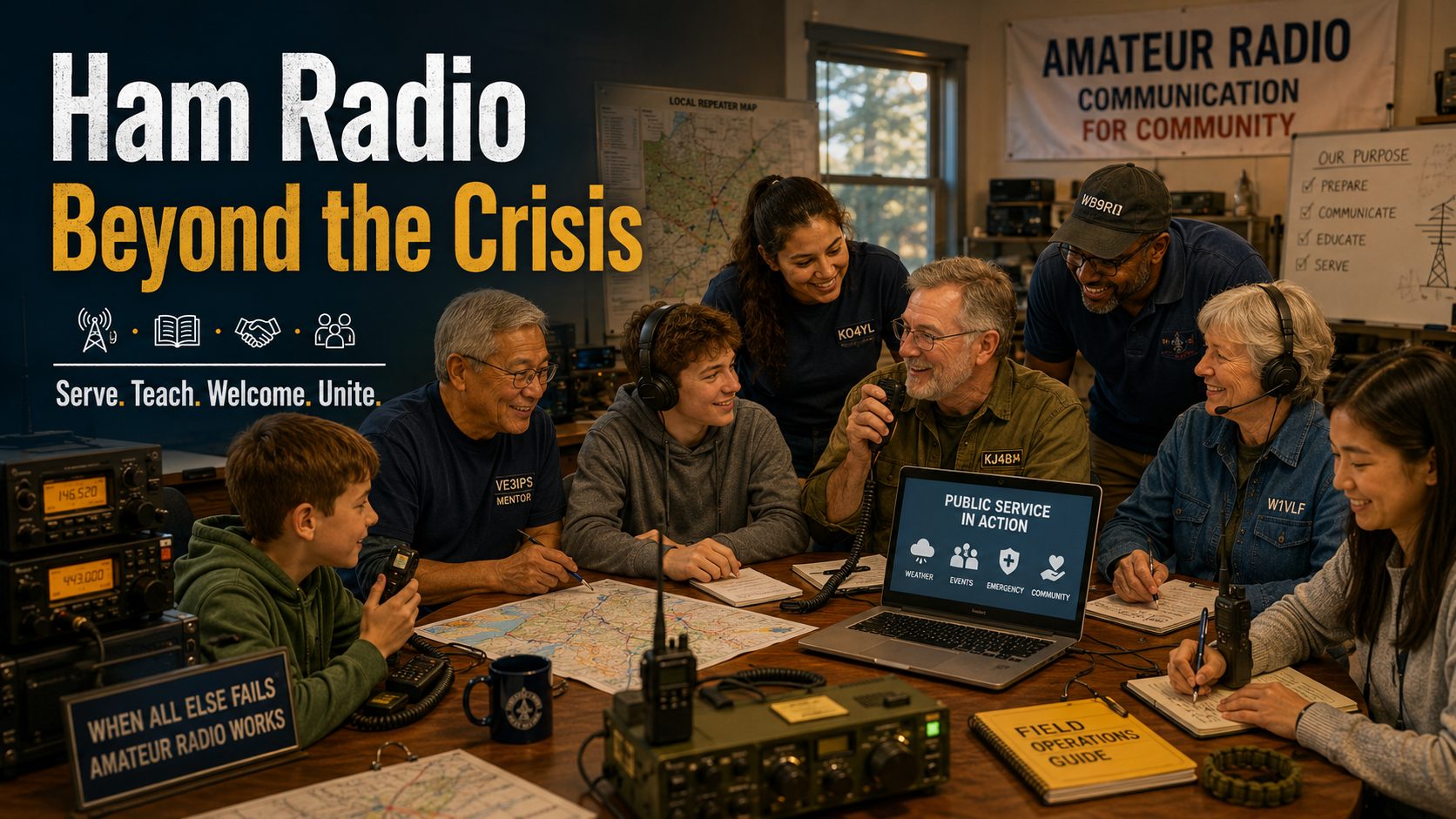
Plant today for ham radio future
As passionate ham radio operators, we uphold an unspoken creed rooted in our commitment to prepare for and respond to disasters. While our dedication has proven invaluable throughout history, I believe we are not fully leveraging the potential of our hobby for the greater good.
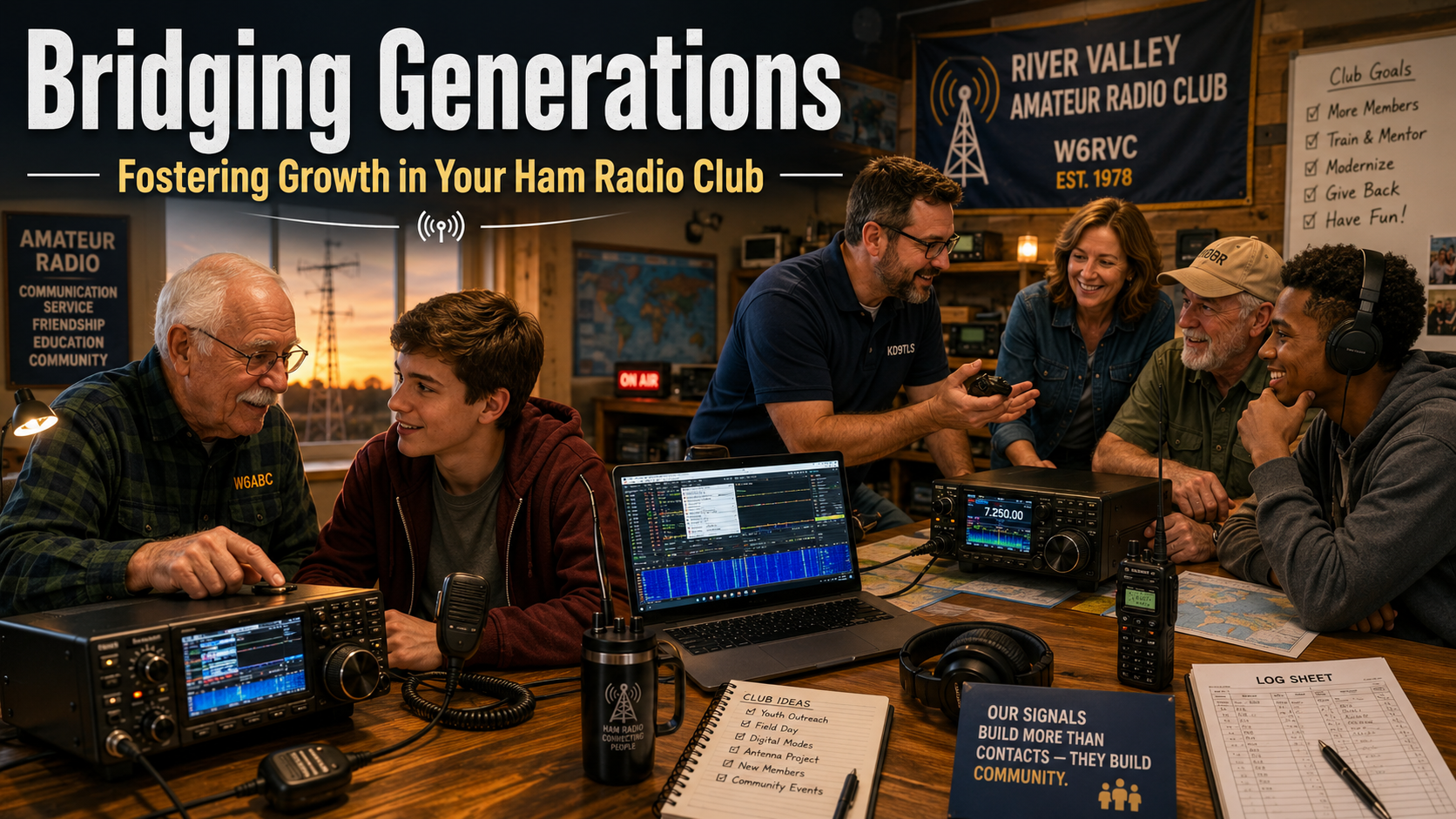
Bridging Generations and Fostering Growth in Your Struggling Ham Radio Club
Whether it’s dwindling membership, a lack of engagement, or just a general sense of stagnation, it can be tough to keep the momentum going. But fear not! As a leader, you have the power to turn things around and foster growth while bridging the gap between generations. Let’s explore some fun and effective ways to rejuvenate your club and create an inclusive environment that appeals to everyone.

Ham Alert: The Tool Every POTA Hunter Should Probably Be Using
Ham Alert is one of those tools that sounds simple until you realize how powerful it actually is. If you hunt POTA, chase DX, follow friends, or just want to stop refreshing spotting pages like a raccoon with a caffeine problem, this guide and playlist will help you get started.

The Beard Challenge Has Begun… Blame Shannon
The Beard Challenge has officially begun… and yes, Shannon KC1OHT is absolutely to blame. During the latest Brew & Activate livestream, a simple joke turned into a full-blown community challenge: if we raise $500 in Super Chats, I’ll grow a beard. It’s ridiculous, it’s community-driven, and somehow it is now officially a thing. Check out the stream that started it all, join us for the next Brew & Activate, and help push the chaos toward the goal.

Why Most Portable Setups Fail Before You Even Key Up
The operator who gets on the air quickly almost always ends up having more fun than the operator building a NASA ground station in the parking lot.
Overpacking Kills Motivation
This is the part people don’t talk about enough.
Heavy setups slowly make you not want to activate.

Pre-Activation Generic Checklist [US-TEST]
Introducing the POTA US-TEST Checklist – your go-to guide for planning your very first activation! Get ready to embark on an exciting adventure and ensure you’re fully prepared every step of the way!

The 20-Minute POTA Activation — Efficient or Lazy?
Can you really have a successful Parks on the Air activation in just 20 minutes? Here’s why short portable ham radio activations might matter more than you think.
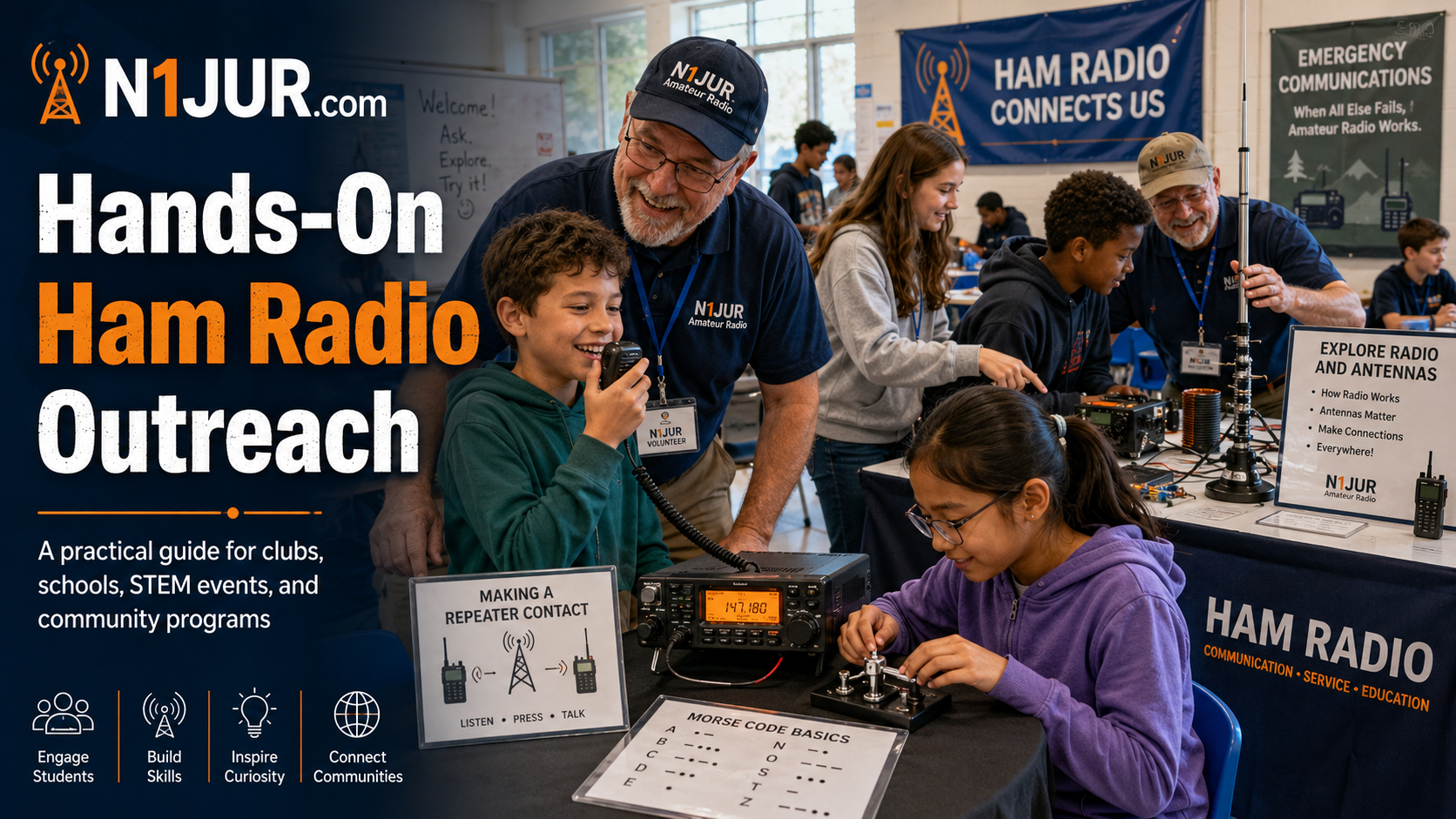
Getting Ham Radio Out of the Shack—and Into the Community
Growing amateur radio takes more than displaying equipment on a folding table—it means putting radios into people’s hands.
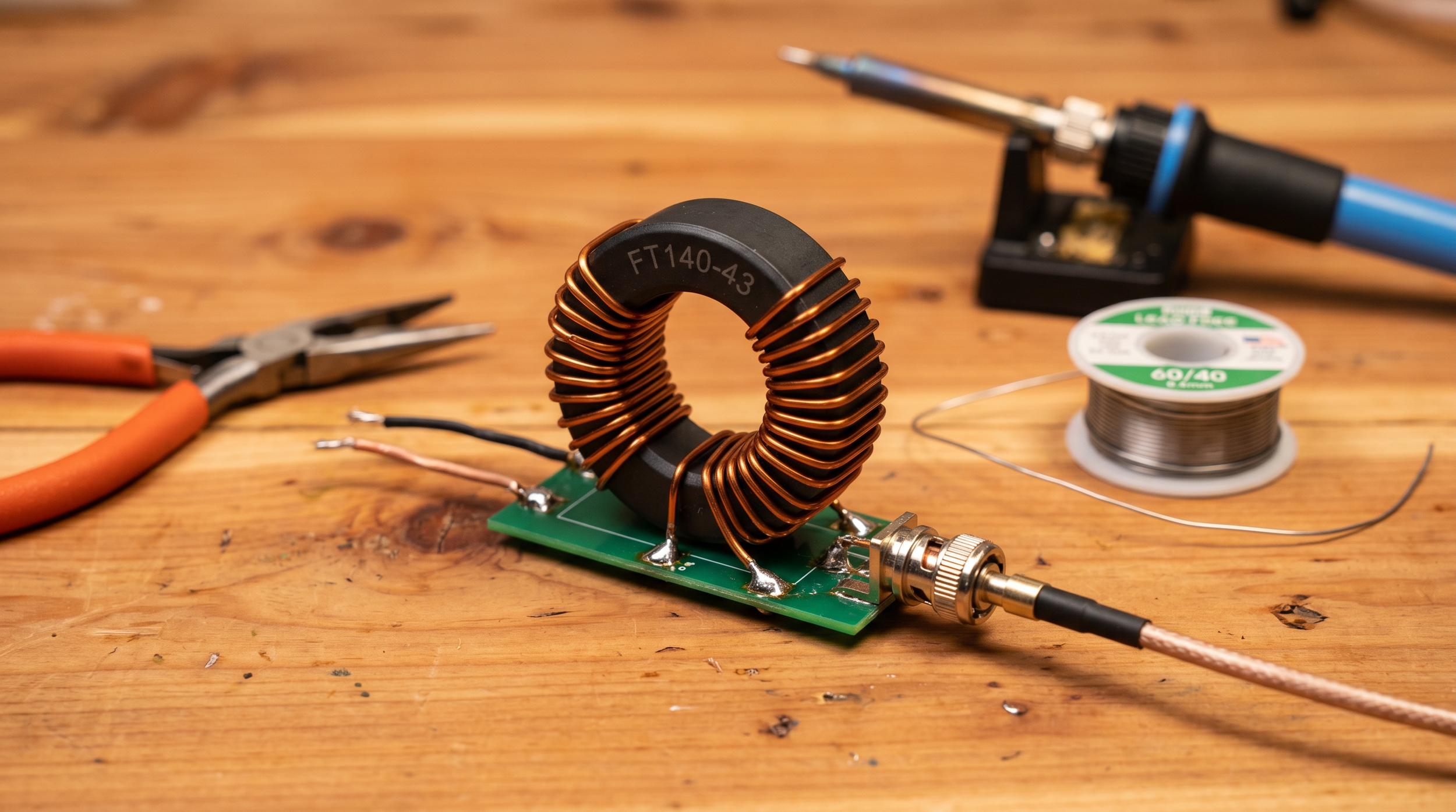
The 20-Minute End-Fed Half-Wave: A Garage-Built Antenna That Punches Above Its Weight
The first antenna I bought for POTA cost me $75 and worked fine. The second antenna I built in my garage for about $18 in parts and worked better. I'm not saying that to sound clever — it's just how it went, and it's a pretty common story. The end-fed half-wave antenna is one of the most forgiving, portable, and genuinely effective antennas you can put up in a park. And if you build your own, you'll know exactly what's in it, which pays off every time something needs troubleshooting.
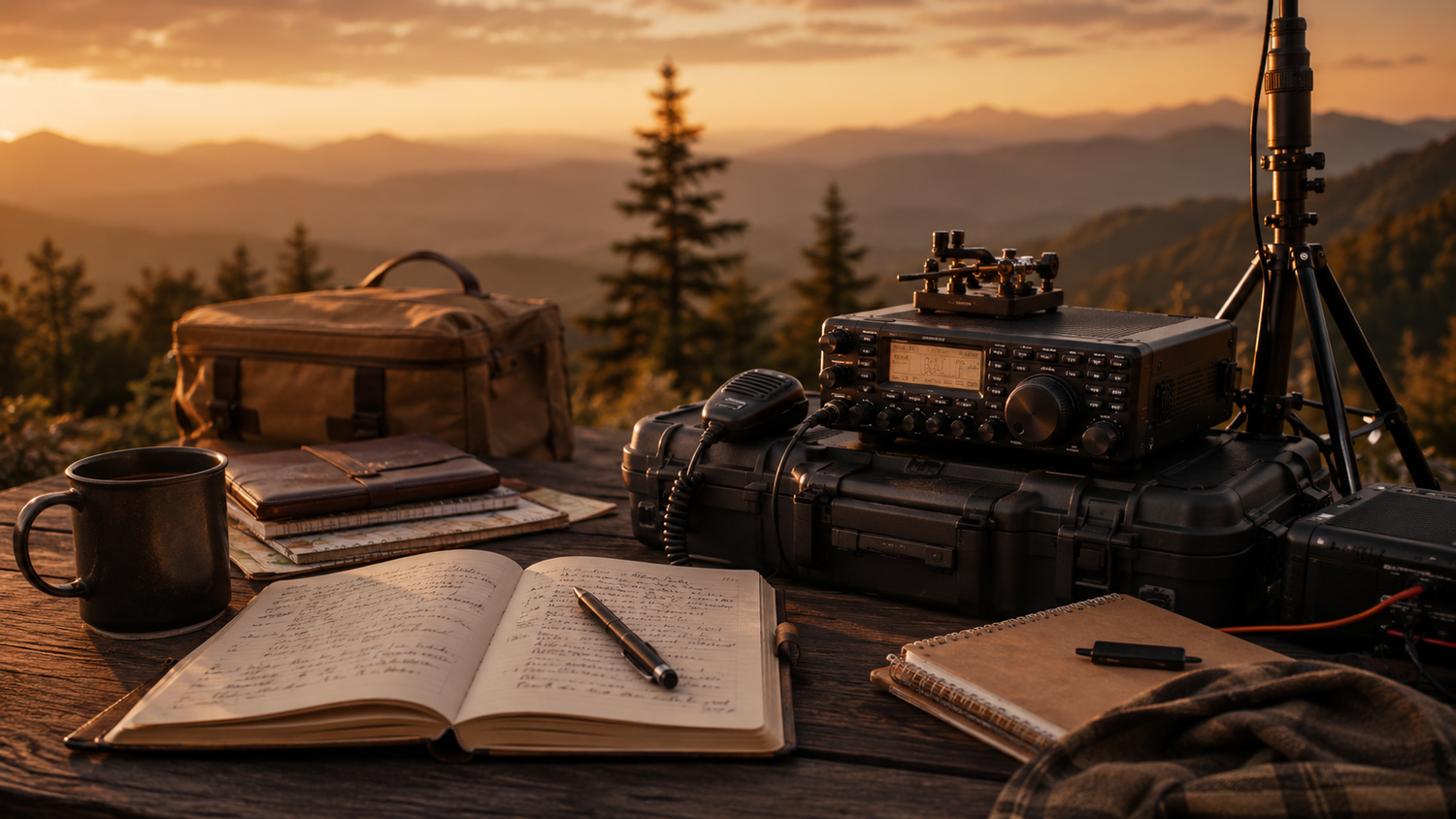
146.52 MHz is the national 2-meter FM simplex calling frequency. But is anybody listening? Maybe the problem isn't the frequency—it's us.