
Ham Radio Is More Interesting Once You Start Doing Things
Field Notes is where I document what I learn along the way—portable operating, antennas, gear, projects, activations and the ideas that need a little more room than a video description.
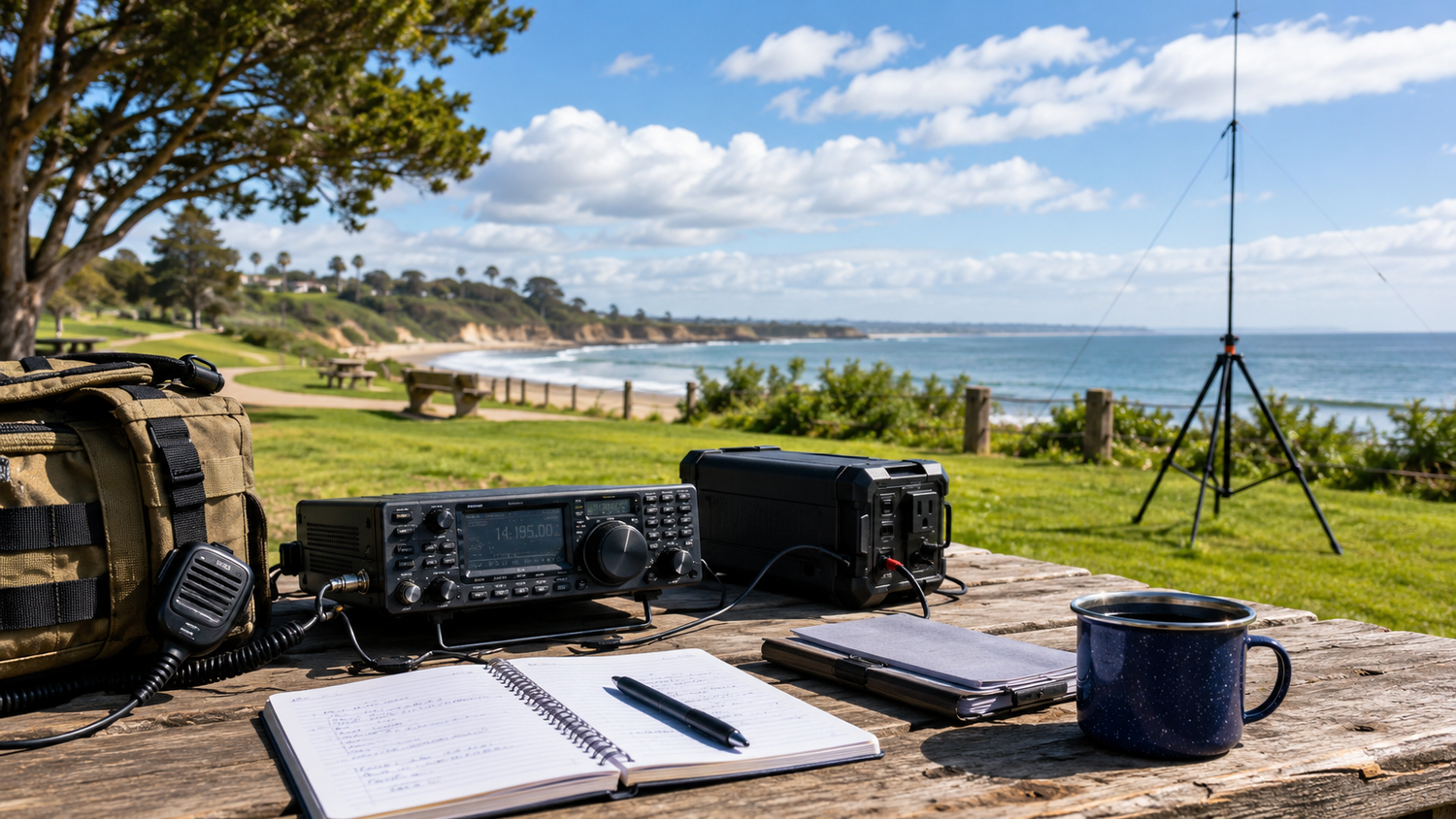

Fresh From the Logbook
The newest article from N1JUR Field Notes.
Where Do You Want to Go Next?
Field Notes is only part of the story. Dig deeper into getting on the air, taking radio outside, or figuring out which gear actually earns a place in the setup.
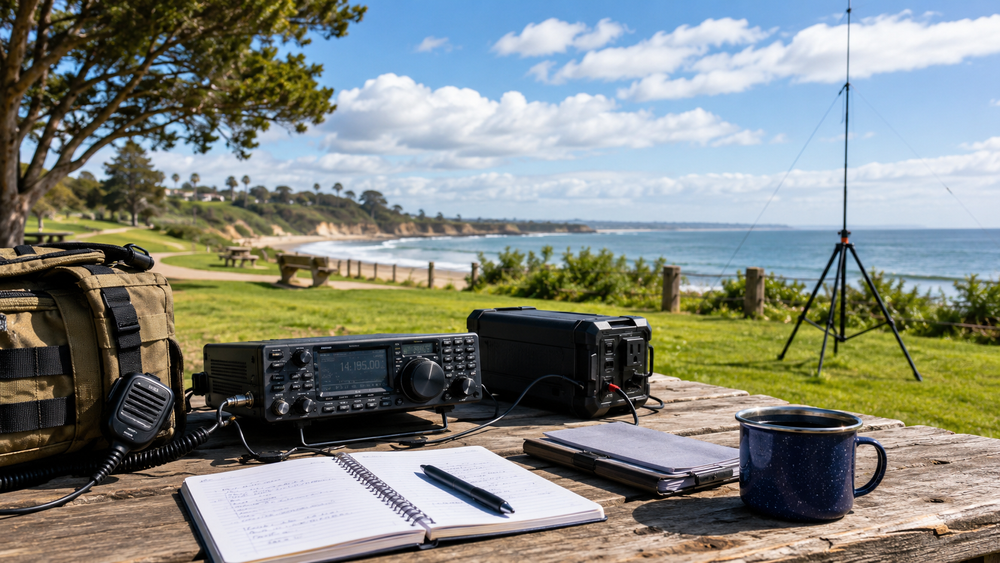
Getting Started
A practical path from wondering where to begin to actually getting on the air.
Start Here →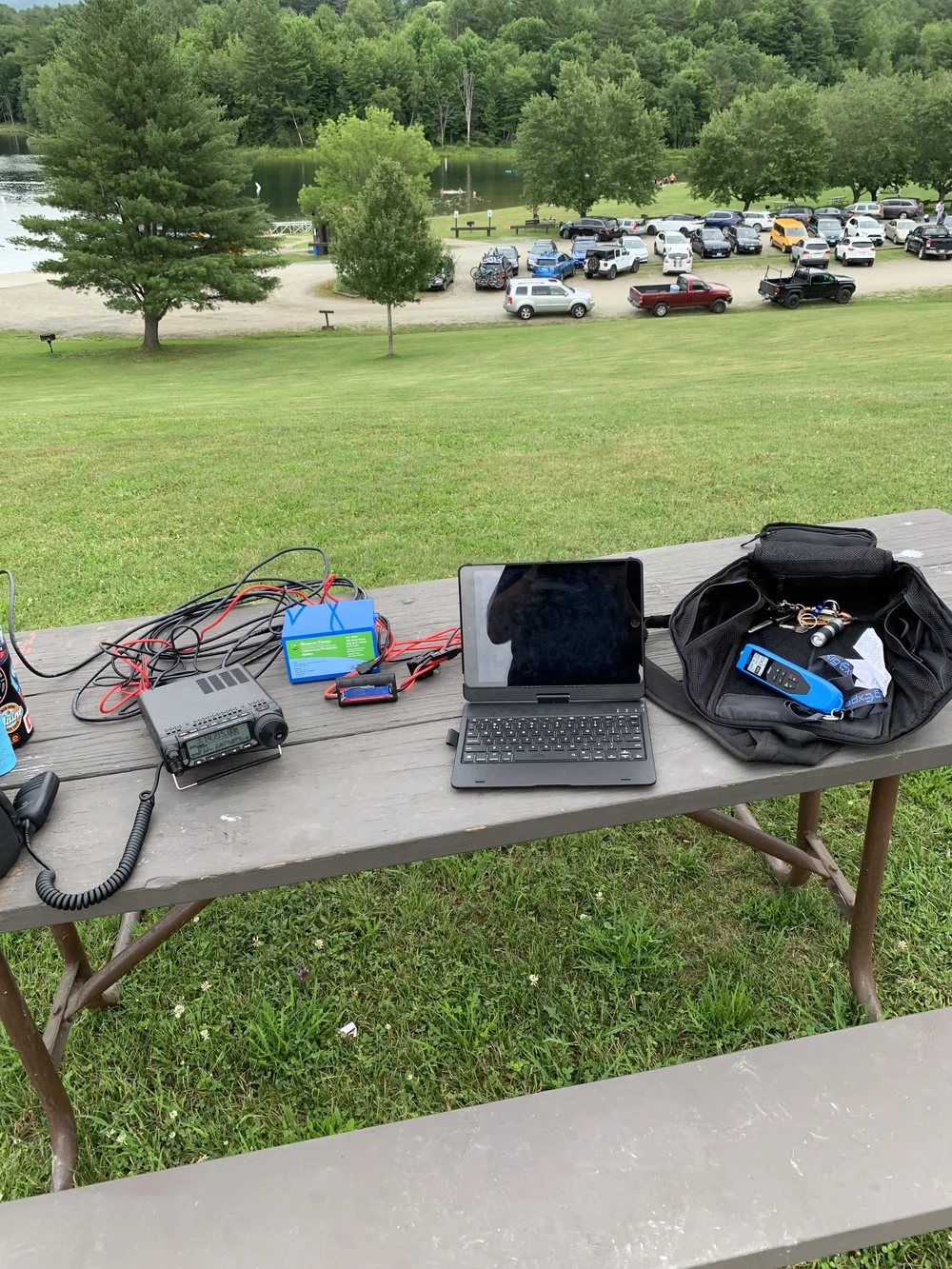
Activations
POTA, SOTA, Tiles and the lessons that come from actually operating away from the shack.
Explore Activations →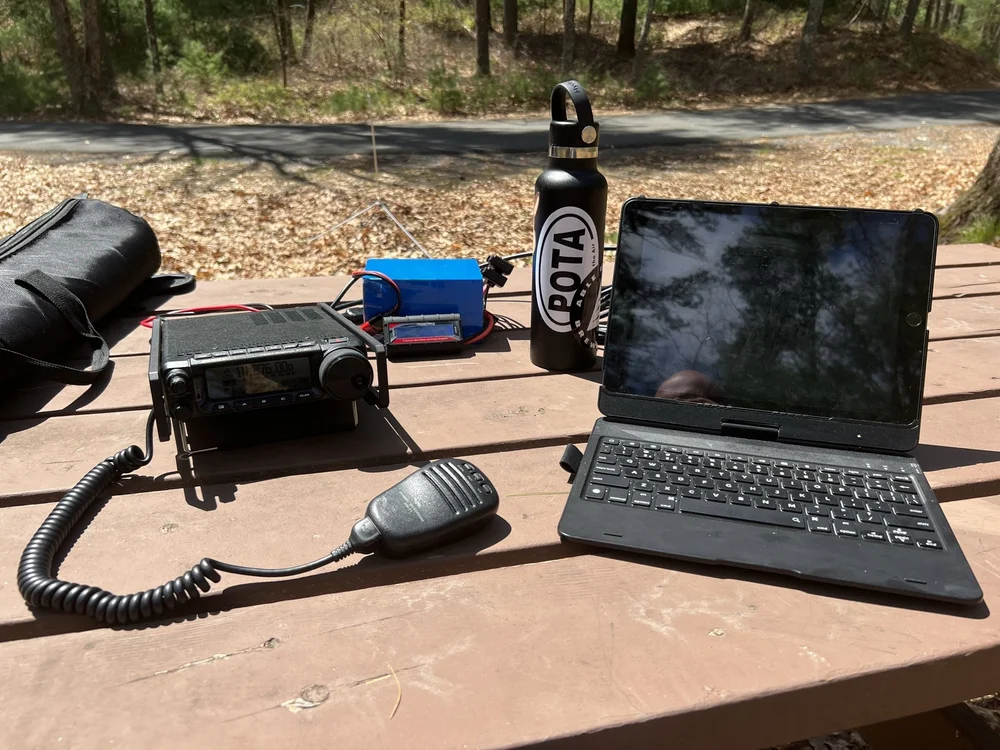
Gear
The radios, antennas and setups I use, test and keep bringing back into the field.
Explore Gear →
Dig Into the Field Notes
Browse the complete collection of articles, projects, experiments, lessons and occasional RF rabbit holes.
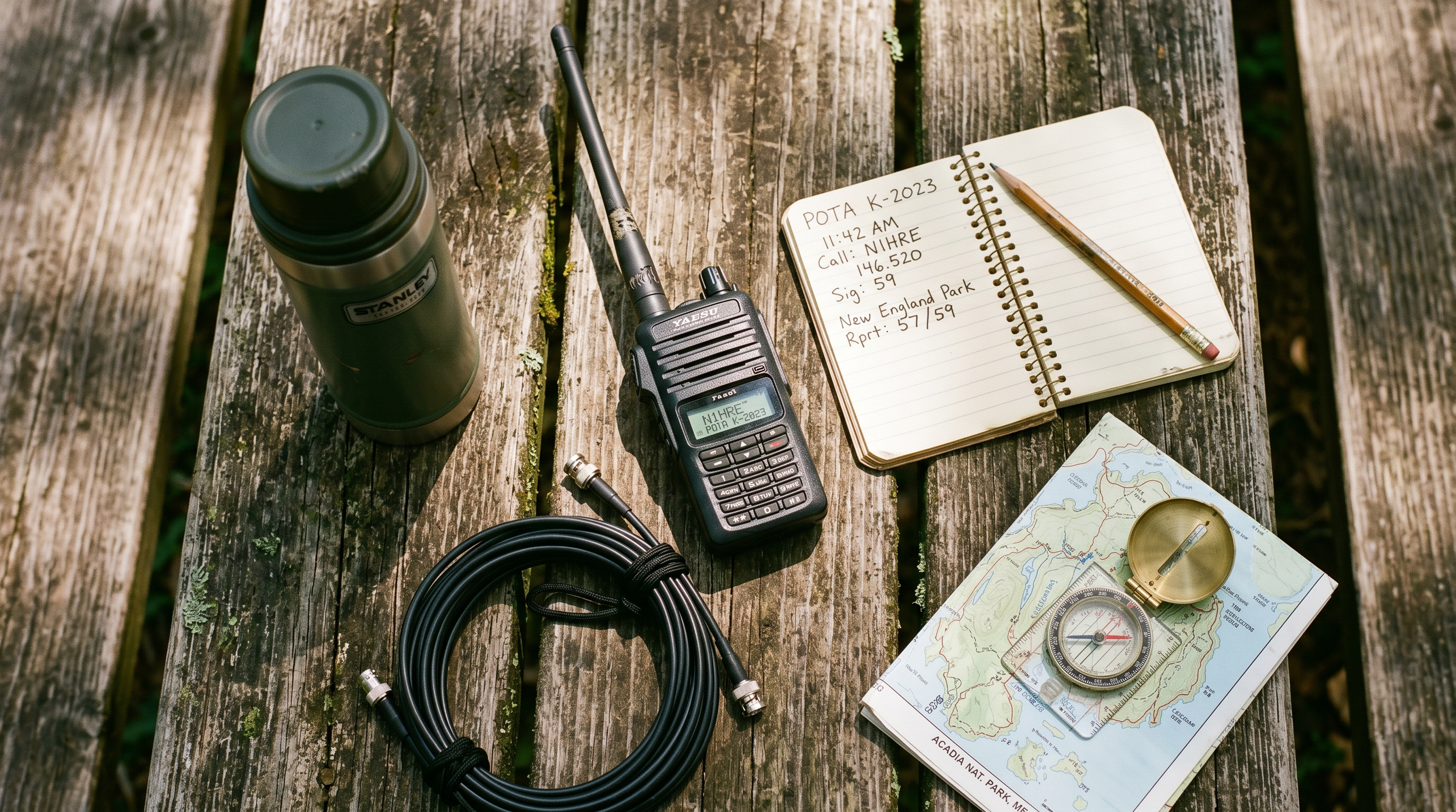
Your First POTA Activation: A Lazy-Sunday Starter Kit That Just Works
You've had your license for a few months. Maybe you've done some repeater work, chatted on a local net, maybe made a couple HF contacts from your living room. And then somebody mentions Parks on the Air and suddenly you're down a rabbit hole at midnight reading activation reports and thinking — okay, I need to do this. The problem is nobody hands you a checklist that says exactly what to bring and exactly what to do. So let me be that person. Here's the honest, no-fluff starter kit for your very first POTA activation.

Action Plan / Steps (Late/Early Shift Activation)
Whether you’re starting your day early or heading in late, embracing a proactive mindset can truly enhance your experience! Our Klist is an excellent tool for optimizing your activation, and we dive deep into our Brew and Activate resources during the “SHIFT” sessions. Exciting opportunities await—let's make the most of them together!
POTA Meetup - Checklist for Clubs
As you embark on your club's first POTA meetup, remember that this checklist is essential for a successful and memorable adventure. If you're planning your club's first POTA event, this checklist is a must-have for a successful outing.

Live Fox Hunt - Run your own!
Unlock the adventure of your own fox hunt! Grab all the necessary forms and links to get started on this thrilling journey!


Comparing the Wolf River SB1000, MadDog 80 Coil, and Rez 80 Antennas: Which One is Right for You?
When it comes to enhancing your radio communication experience, choosing the right antenna can make all the difference. Among the popular options available, the Wolf River SB1000, MadDog 80 Coil, and Rez 80 antennas stand out for their unique features and performance. Here, we’ll explore the differences between these three antennas to help you make an informed decision.

Embracing the Challenge: Why Run QRP During a POTA Activation?
For amateur radio enthusiasts, the thrill of communication is often magnified by pushing the boundaries of what's possible. One of the most fulfilling ways to do this is by running QRP (low power, typically 5 watts or less) during a Parks on the Air (POTA) activation. Here’s why you might want to consider this exciting combination for your next amateur radio adventure.

The Advantages of Operating Amateur Radio on the Beach or Coastline
For amateur radio enthusiasts, finding the perfect operating location can significantly enhance communication capabilities. One of the most rewarding places to set up your gear is at the beach or along the coastline. The unique environment offers several advantages that can improve your radio experience. In this blog post, we’ll explore the benefits of operating ham radio by the ocean and discuss how salt water plays a crucial role in enhancing radio transmissions.

The Importance of Educating the Public on Amateur Radio
Amateur radio, often referred to as "ham radio," is more than just a hobby for enthusiasts; it is a vital communication tool that can play a crucial role in emergencies, community building, and technological advancement. Despite its significance, many people remain unaware of the capabilities and benefits associated with ham radio. Educating the public about amateur radio is essential, and it can be demonstrated through various practical examples.
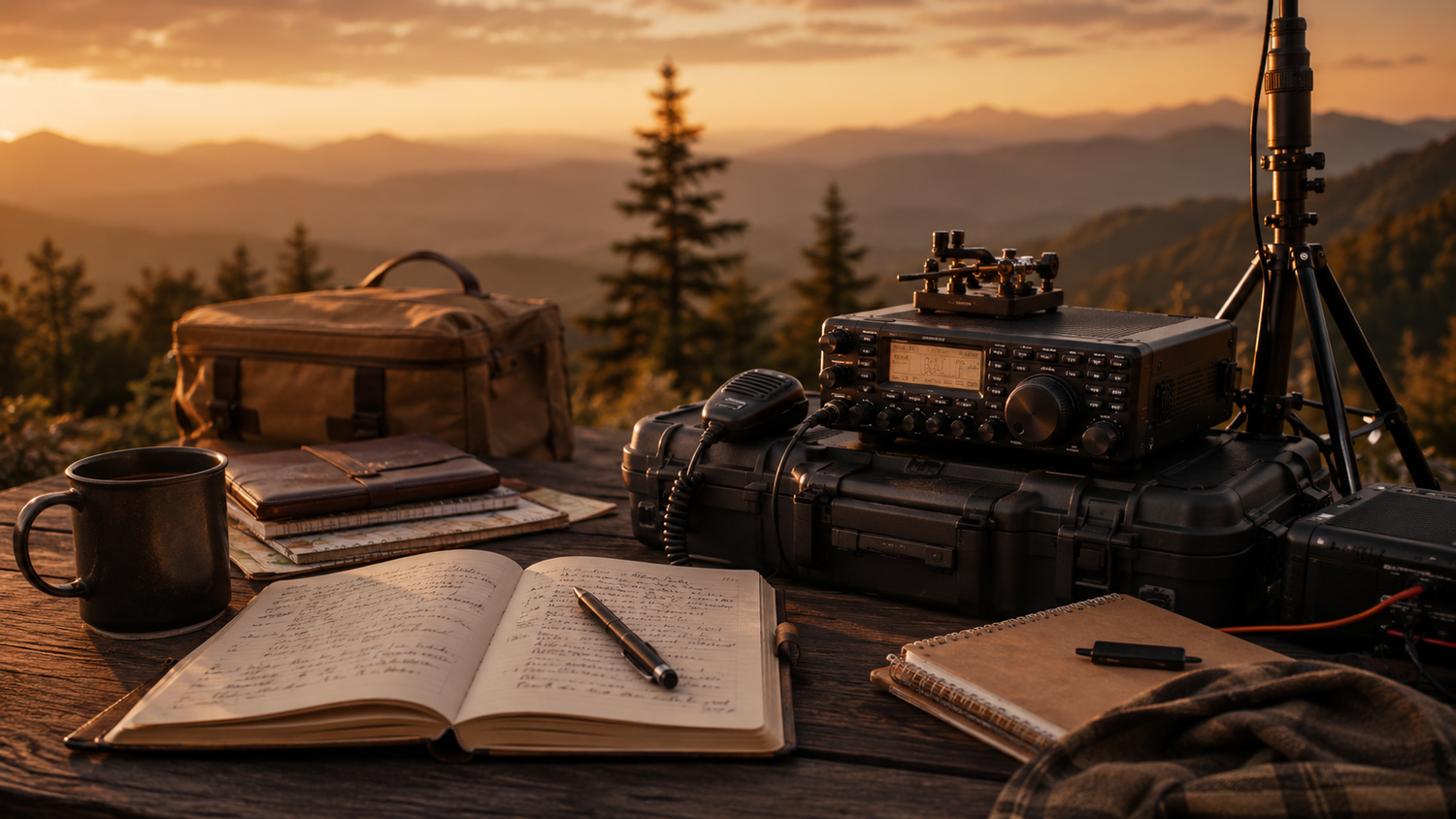
146.52 MHz is the national 2-meter FM simplex calling frequency. But is anybody listening? Maybe the problem isn't the frequency—it's us.