
Field Notes from N1JUR
Real-world ham radio tips, portable operating lessons, gear thoughts, and activation stories from the field to the shack.
What You’ll Find Here
This blog is where I go deeper than a YouTube description. You’ll find practical ham radio guides, activation lessons, gear breakdowns, and field notes from real operating experiences.
Some posts are beginner-friendly. Some get a little more technical. And some are just honest lessons from the field — because not every activation goes perfectly, and that’s usually where the good stuff happens.
Portable operating tips
POTA, SOTA, and location-based activation ideas
Gear and antenna experiments
Beginner-friendly ham radio guides
Field stories and lessons learned

Enhancing Emergency Preparedness: The Benefits of the Amateur Radio Emergency Preparedness Act for Amateur Radio Operators
The potential benefits of the Amateur Radio Emergency Preparedness Act for amateur radio operators are significant, ranging from formal recognition of their role in emergencies to enhanced coordination, support, and interoperability. If passed into law, this act has the potential to empower hams to be even more effective first responders during times of crisis and further enhance the resilience of communities across the country. Let's continue to support and advocate for measures that recognize the invaluable contributions of amateur radio operators in emergency preparedness and response efforts.
Amateur radio operators, or hams, play a critical role in emergency communications during times of crisis and natural disasters. The Amateur Radio Emergency Preparedness Act, currently under consideration, aims to further empower and support amateur radio operators in their essential role as first responders. In this blog post, we will explore the potential benefits of this act for hams if it passes into law and how it can enhance emergency preparedness efforts across the amateur radio community.
Formal Recognition of Amateur Radio's Role in Emergencies:
One of the key benefits of the Amateur Radio Emergency Preparedness Act is the formal recognition of the important role that amateur radio operators play in emergency communications. By acknowledging the value of hams in providing vital communication services during disasters, the act raises awareness of the capabilities and contributions of the amateur radio community.
Enhanced Coordination and Support:
If the act is passed into law, amateur radio operators may benefit from enhanced coordination and support from government agencies and emergency management organizations. This could include improved access to resources, training, and funding to help hams better prepare for and respond to emergencies, ensuring a more effective and coordinated response during times of crisis.
Streamlined Licensing and Regulatory Processes:
The Amateur Radio Emergency Preparedness Act may also lead to streamlined licensing and regulatory processes for amateur radio operators involved in emergency communications. Simplifying administrative procedures and reducing bureaucratic hurdles can help hams focus on their critical communication duties during emergencies without unnecessary obstacles.
Improved Interoperability and Integration:
By promoting collaboration and interoperability among different emergency communication networks, the act can help amateur radio operators better integrate into existing emergency response systems. This enhanced coordination can lead to more efficient communication exchanges between hams, first responders, and emergency management agencies, ultimately improving overall response efforts.
Increased Community Resilience:
Ultimately, the Amateur Radio Emergency Preparedness Act has the potential to strengthen community resilience by empowering and supporting amateur radio operators in their emergency communication activities. Providing hams with the tools, resources, and recognition they need to respond to disasters effectively can help communities better prepare for and recover from emergencies, ultimately saving lives and mitigating the impact of disasters.
The potential benefits of the Amateur Radio Emergency Preparedness Act for amateur radio operators are significant, ranging from formal recognition of their role in emergencies to enhanced coordination, support, and interoperability. If passed into law, this act has the potential to empower hams to be even more effective first responders during times of crisis and further enhance the resilience of communities across the country. Let's continue to support and advocate for measures that recognize the invaluable contributions of amateur radio operators in emergency preparedness and response efforts.
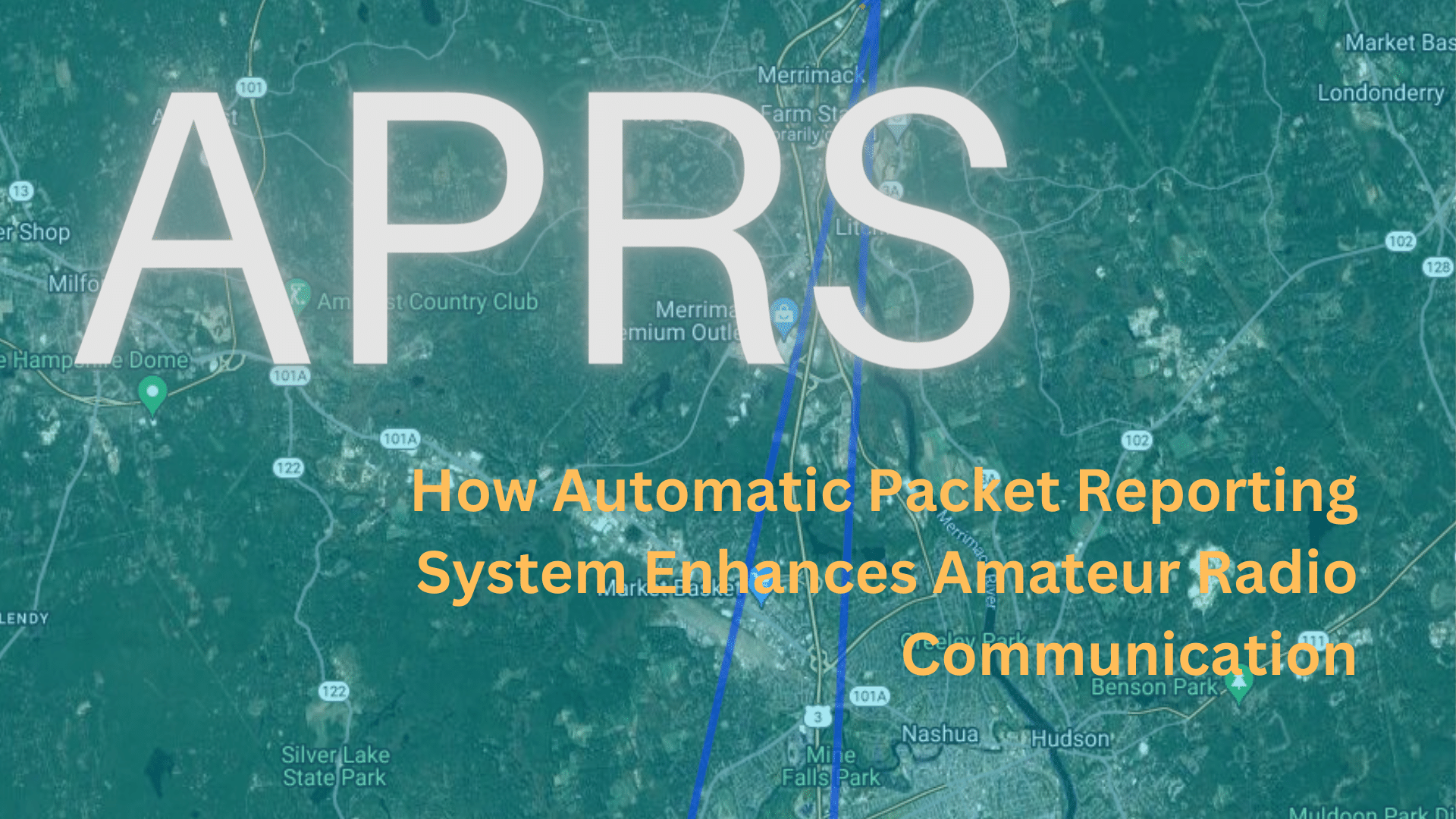
Exploring the Advantages of APRS: How Automatic Packet Reporting System Enhances Amateur Radio Communication
APRS is a versatile and powerful tool that offers a wide range of benefits for amateur radio operators, including real-time tracking, emergency communication, weather monitoring, messaging capabilities, and integration with digital mapping software. By incorporating APRS into their communication toolkit, hams can enhance their situational awareness, improve coordination, and expand their capabilities for emergency response, public service events, and outdoor activities. As technology continues to advance, APRS remains a valuable asset for the amateur radio community, enabling operators to stay connected, informed, and prepared in any situation.
Amateur radio operators are always looking for innovative ways to enhance their communication capabilities, especially in emergency situations or when operating in remote areas. One technology that has gained popularity in the ham radio community is Automatic Packet Reporting System (APRS). In this blog post, we will delve into the benefits of using APRS and how it can improve communication, tracking, and situational awareness for amateur radio operators.
Real-Time Tracking and Location Reporting:
One of the key benefits of APRS is its ability to provide real-time tracking and location reporting for amateur radio operators. By using GPS technology, APRS-equipped devices can transmit their precise location information, which can be displayed on digital maps for other operators to see. This feature is particularly useful during emergency situations, outdoor activities, and public service events where tracking team members or assets is crucial.
Emergency Communication and Search-and-Rescue Operations:
APRS can be a valuable tool for emergency communication and search-and-rescue operations. In times of crisis, APRS allows hams to quickly establish communication networks, share critical information, and coordinate response efforts. The real-time tracking capabilities of APRS can also aid in locating missing or stranded individuals, making it a valuable asset for emergency responders and public safety agencies.
Weather Monitoring and Data Collection:
Another benefit of APRS is its ability to monitor weather conditions and collect environmental data in real-time. By integrating weather sensors and instruments with APRS devices, amateur radio operators can contribute to local weather networks, share weather data with other users, and enhance situational awareness during severe weather events. This data can be invaluable for forecasting, monitoring, and responding to weather emergencies.
Messaging and Information Exchange:
APRS supports messaging capabilities, allowing users to send text messages, bulletins, announcements, and alerts over the network. This feature can be useful for coordinating activities, sharing important information, and staying connected with other operators in the field. In situations where voice communication may be limited or impractical, APRS messaging offers a reliable alternative for quick and efficient communication.
Integration with Digital Mapping and Software:
APRS integrates seamlessly with digital mapping software and applications, providing users with a visual representation of stations, objects, tracks, and messages on a map display. This integration enhances situational awareness, facilitates navigation, and enables users to visualize the location of nearby operators and resources. By leveraging digital mapping tools, hams can make informed decisions, plan routes, and collaborate more effectively during operations.
APRS is a versatile and powerful tool that offers a wide range of benefits for amateur radio operators, including real-time tracking, emergency communication, weather monitoring, messaging capabilities, and integration with digital mapping software. By incorporating APRS into their communication toolkit, hams can enhance their situational awareness, improve coordination, and expand their capabilities for emergency response, public service events, and outdoor activities. As technology continues to advance, APRS remains a valuable asset for the amateur radio community, enabling operators to stay connected, informed, and prepared in any situation.
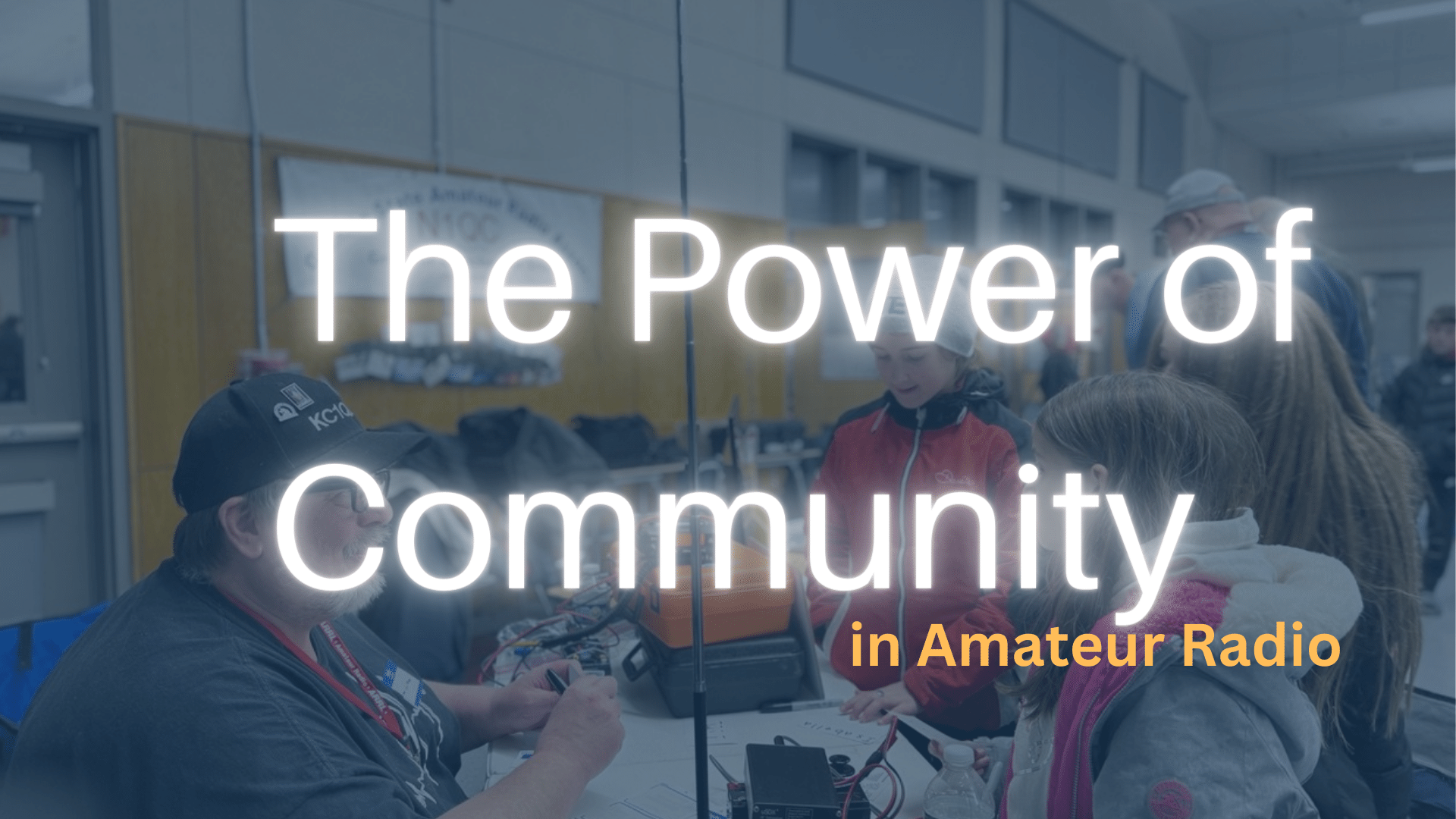
The Power of Community in Amateur Radio: Building Connections and Growing the Hobby Together
One of the key benefits of being part of the amateur radio community is the opportunity to share knowledge and mentorship. Experienced operators often take on the role of mentors, guiding newcomers through getting licensed, setting up their stations, and mastering operating techniques. This knowledge exchange helps newcomers learn and grow strengthens bonds within the community and ensures the transmission of skills and expertise from one generation of hams to the next.
Amateur radio, also known as ham radio, is more than just a hobby—it's a vibrant community of individuals who share a passion for radio communication, technology, and public service. At the heart of this hobby lies the power of community, which plays a crucial role in building connections, fostering collaboration, and growing the hobby among enthusiasts of all ages. In this blog post, we will explore the importance of community in amateur radio and how it contributes to the richness and vitality of the hobby.
Knowledge Sharing and Mentorship:
One of the key benefits of being part of the amateur radio community is the opportunity to share knowledge and mentorship. Experienced operators often take on the role of mentors, guiding newcomers through getting licensed, setting up their stations, and mastering operating techniques. This knowledge exchange helps newcomers learn and grow strengthens bonds within the community and ensures the transmission of skills and expertise from one generation of hams to the next.
Social Engagement and Camaraderie:
Amateur radio provides a platform for social engagement and camaraderie among like-minded individuals who share a common interest in radio communication. Whether connecting over the airwaves, attending club meetings, participating in contests, or volunteering for public service events, hams have numerous opportunities to interact, collaborate, and build lasting friendships with fellow enthusiasts. The sense of community and camaraderie that develops within the amateur radio community fosters a supportive and inclusive environment where individuals can connect, learn, and grow together.
Collaboration and Teamwork:
Community in amateur radio promotes collaboration and teamwork, especially during emergency communication drills, public service events, and field operations. Working together on projects, contests, or community service initiatives allows hams to leverage their collective skills, resources, and expertise to achieve common goals and positively impact their local communities. By fostering a spirit of cooperation and teamwork, the amateur radio community empowers operators to pool their talents and efforts for the greater good, demonstrating the strength and resilience of a united community.
Lifelong Learning and Personal Growth:
Being part of a supportive and vibrant community in amateur radio encourages lifelong learning and personal growth among operators of all skill levels. From exploring new operating modes and technologies to attending workshops, seminars, and training sessions, hams have endless opportunities to expand their knowledge, develop their skills, and pursue their interests in the hobby. The exchange of ideas, experiences, and best practices within the community inspires continuous learning and personal development, fostering a culture of curiosity, innovation, and growth among enthusiasts.
The sense of community in amateur radio is a driving force behind the hobby's growth, sustainability, and vibrancy. By connecting individuals, fostering collaboration, promoting social engagement, and encouraging lifelong learning, the amateur radio community creates a supportive and inclusive environment where operators can thrive, learn, and contribute to the advancement of the hobby. As we continue to build connections, share experiences, and celebrate our shared passion for radio communication, let us embrace the power of community in amateur radio and work together to inspire, educate, and empower the next generation of hams.

Why You Should Consider Setting Up an AllStar Link
AllStar Link is a network of amateur radio repeaters, remote base stations, and hotspots that allows for voice communication using Voice over Internet Protocol (VoIP) technology. In this blog post, we'll explore the reasons why you should consider setting up an AllStar Link and the benefits it can bring to your amateur radio activities.
Are you looking to expand your amateur radio hobby or improve communication capabilities in your community? If so, setting up an AllStar Link might be the perfect solution for you. AllStar Link is a network of amateur radio repeaters, remote base stations, and hotspots that allows for voice communication using Voice over Internet Protocol (VoIP) technology. In this blog post, we'll explore the reasons why you should consider setting up an AllStar Link and the benefits it can bring to your amateur radio activities.
1. Enhanced Communication Range
One of the primary reasons to set up an AllStar Link is the increased communication range it offers. By connecting your local repeater or hotspot to the AllStar Link network, you can communicate with other users and nodes around the world. This extended range can be especially beneficial during emergencies or when traditional communication methods are unavailable. AllStar Link essentially enables you to create a global network of communication nodes, enhancing the reach of your amateur radio activities.
2. Flexibility and Versatility
AllStar Link is known for its flexibility and versatility. It supports various hardware platforms, including low-cost single-board computers such as the Raspberry Pi, as well as more powerful systems. This means that you can set up an AllStar Link node using equipment that fits your budget and technical expertise. Additionally, AllStar Link is compatible with both analog and digital radio systems, allowing you to integrate it into your existing setup without the need for significant upgrades.
3. Community Building and Collaboration
By participating in the AllStar Link network, you become part of a larger community of amateur radio enthusiasts. This provides opportunities for collaboration, knowledge sharing, and learning from others with similar interests. AllStar Link also facilitates the creation of private networks, enabling local clubs, emergency services, and special interest groups to establish their own communication systems within the broader network.
4. Emergency Communication Preparedness
Amateur radio operators play a crucial role in providing communication support during emergencies and natural disasters. Setting up an AllStar Link node can contribute to the overall preparedness of your community by establishing an alternative communication infrastructure. In times of crisis, when traditional communication channels may be disrupted, AllStar Link can serve as a reliable means of coordinating relief efforts, sharing critical information, and maintaining contact with emergency services.
5. Learning Opportunities
For those interested in technology and telecommunications, setting up an AllStar Link node can be a valuable learning experience. It provides an opportunity to delve into the technical aspects of VoIP, networking, and radio communication protocols. Whether you are a seasoned amateur radio operator or a newcomer to the hobby, the process of configuring and maintaining an AllStar Link node can help you expand your knowledge and skills.
In conclusion, setting up an AllStar Link node offers a range of benefits, from extended communication range and community building to emergency preparedness and learning opportunities. Whether you are an individual enthusiast, a radio club, or an organization involved in emergency response, AllStar Link can enhance your amateur radio activities and contribute to the overall resilience of your community. If you're passionate about amateur radio and eager to explore new possibilities, consider joining the AllStar Link network and experience the advantages it has to offer.

Exploring the Differences and Benefits of Popular Ham Radio Logging Applications
With a wide array of logging software available, each offering unique features and capabilities, it can be challenging to determine which application best suits your specific needs. In this blog post, we'll explore some of the most popular ham radio logging applications, highlighting their differences and the advantages they offer to radio enthusiasts.
In the world of amateur radio, logging applications play a crucial role in managing contacts, tracking activities, and organizing essential information for radio operators. With a wide array of logging software available, each offering unique features and capabilities, it can be challenging to determine which application best suits your specific needs. In this blog post, we'll explore some of the most popular ham radio logging applications, highlighting their differences and the advantages they offer to radio enthusiasts.
1. Ham Radio Deluxe (HRD)
Ham Radio Deluxe is a comprehensive suite of tools designed to meet the needs of amateur radio operators. The software provides logging, rig control, digital modes, satellite tracking, and more, all integrated into a single platform. HRD offers a user-friendly interface and supports a wide range of transceivers and accessories, making it a versatile choice for operators with diverse equipment setups. Additionally, HRD's integration of various functions streamlines the logging process and enhances the overall operational efficiency for radio enthusiasts.
Pros:
- All-in-one solution for logging, rig control, and digital modes
- User-friendly interface
- Extensive support for different transceivers and accessories
2. N1MM Logger+
N1MM Logger+ is a popular contest logging software known for its robust features tailored specifically for contesting activities. The application provides advanced contest-specific tools, such as multipliers tracking, dupe checking, and scoring, making it an indispensable tool for competitive radio operators. N1MM Logger+ is highly customizable, allowing users to configure the software to suit their specific contesting needs and preferences.
Pros:
- Specialized features for contest logging
- Highly customizable
- Strong support for various contest formats and rules
3. Log4OM
Log4OM is a feature-rich logging software that excels in providing a comprehensive and customizable logging experience. The application offers support for a wide range of features, including DX cluster integration, satellite tracking, QSO mapping, and awards tracking. Log4OM's flexible interface allows users to tailor the software to their individual preferences, ensuring that it meets the specific requirements of diverse operating styles and preferences.
Pros:
- Comprehensive feature set, including DX cluster integration and awards tracking
- Customizable interface to match individual preferences
- Strong support for satellite tracking and mapping
4. QRZ Logbook
QRZ Logbook is an online logging service that offers a convenient and accessible platform for managing amateur radio contacts. The service enables users to log their contacts online, access their logs from any internet-connected device, and benefit from extensive call sign database integration. QRZ Logbook also provides features for QSL management, award tracking, and real-time propagation information.
Pros:
- Online accessibility and synchronization across devices
- Extensive call sign database integration
- QSL management and award tracking features
In conclusion, the choice of a ham radio logging application ultimately depends on your specific needs, operating preferences, and equipment setup. Whether you prioritize all-in-one functionality, specialized contesting features, comprehensive logging capabilities, or online accessibility, there is a logging application that can cater to your requirements. By considering the unique features and benefits of each logging software, you can make an informed decision and enhance your amateur radio experience with an application that best aligns with your operational goals.