
Field Notes from N1JUR
Real-world ham radio tips, portable operating lessons, gear thoughts, and activation stories from the field to the shack.
What You’ll Find Here
This blog is where I go deeper than a YouTube description. You’ll find practical ham radio guides, activation lessons, gear breakdowns, and field notes from real operating experiences.
Some posts are beginner-friendly. Some get a little more technical. And some are just honest lessons from the field — because not every activation goes perfectly, and that’s usually where the good stuff happens.
Portable operating tips
POTA, SOTA, and location-based activation ideas
Gear and antenna experiments
Beginner-friendly ham radio guides
Field stories and lessons learned
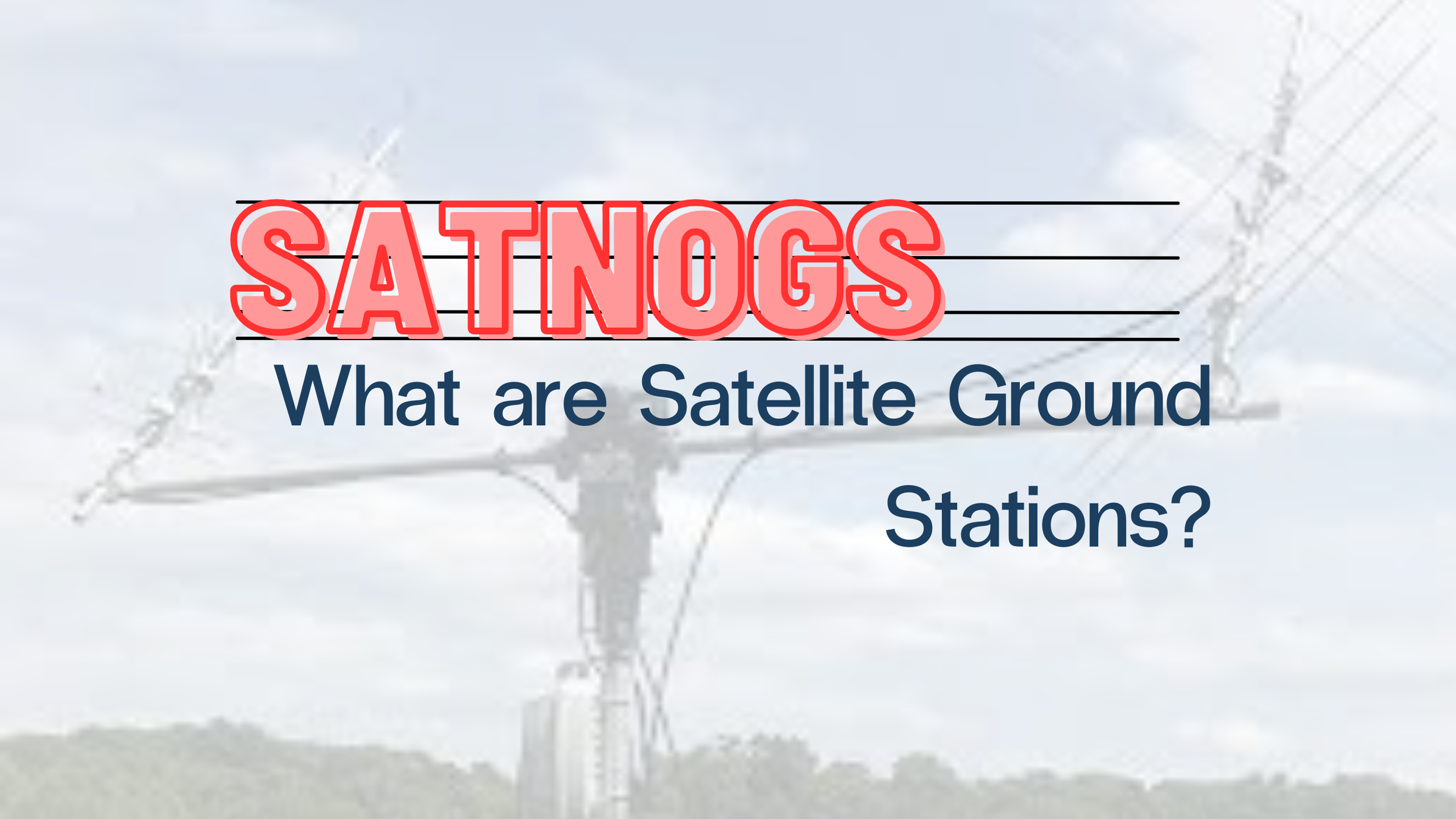
Exploring SATNOG: A Revolutionary Approach to Satellite Ground Stations
SATNOG represents a community-driven effort to establish a global network of open-source satellite ground stations, providing enthusiasts and researchers with an accessible platform for tracking, receiving, and decoding satellite transmissions. In this blog post, we'll delve into what SATNOG is, its significance, and the compelling reasons why you might want to set up a SATNOG ground station of your own.
In recent years, an innovative project has been gaining traction in the realm of amateur radio and satellite communication: the Satellite Networked Open Ground Stations (SATNOG). SATNOG represents a community-driven effort to establish a global network of open-source satellite ground stations, providing enthusiasts and researchers with an accessible platform for tracking, receiving, and decoding satellite transmissions. In this blog post, we'll delve into what SATNOG is, its significance, and the compelling reasons why you might want to set up a SATNOG ground station of your own.
What is SATNOG?
At its core, SATNOG is a project that aims to democratize access to satellite ground station technology by creating a decentralized network of ground stations across the globe. The project is built upon the principles of open-source hardware and software, enabling individuals and communities to construct, operate, and share data from their own ground stations. SATNOG ground stations are designed to track and communicate with a wide array of satellites, including amateur radio satellites, educational cubesats, and scientific missions.
The SATNOG network is powered by a web-based platform that facilitates the coordination and scheduling of ground stations, as well as the collection and dissemination of satellite telemetry and other data. This shared infrastructure allows participants to contribute to satellite missions, conduct educational outreach, and engage in citizen science initiatives by collaborating with researchers and organizations around the world.
Why Set Up a SATNOG Ground Station?
1. Access to Satellite Data and Telemetry
By setting up a SATNOG ground station, you gain the ability to receive and decode telemetry data from a diverse range of satellites. This presents an exciting opportunity to engage with real-world satellite missions, participate in scientific research, and contribute valuable data to the broader satellite community. Whether you're interested in environmental monitoring, amateur radio experimentation, or simply exploring the frontiers of space technology, a SATNOG ground station can provide you with direct access to satellite data and communications.
2. Educational and Outreach Opportunities
SATNOG ground stations are well-suited for educational initiatives and outreach programs aimed at fostering interest in science, technology, engineering, and mathematics (STEM). By integrating a ground station into educational curricula or community workshops, you can offer hands-on learning experiences that showcase the practical applications of satellite communication and tracking. Moreover, SATNOG's open and collaborative nature encourages knowledge sharing and mentorship, making it an ideal platform for nurturing the next generation of satellite enthusiasts and engineers.
3. Contributing to Citizen Science
Participating in the SATNOG network allows you to actively contribute to citizen science efforts focused on satellite missions and space exploration. By capturing and sharing satellite telemetry and observations, you can support scientific research, monitor environmental changes, and assist in the verification and validation of satellite operations. This engagement in citizen science not only enriches your own understanding of satellite technology but also has the potential to make meaningful contributions to scientific endeavors on a global scale.
4. Community Engagement and Collaboration
By establishing a SATNOG ground station, you become part of a thriving community of satellite enthusiasts, researchers, and educators who are passionate about space technology. Through the SATNOG network, you can collaborate with like-minded individuals, share your experiences, and benefit from the collective expertise of the community. This collaborative spirit fosters an environment of innovation, creativity, and knowledge exchange, leading to new discoveries and advancements in satellite communication
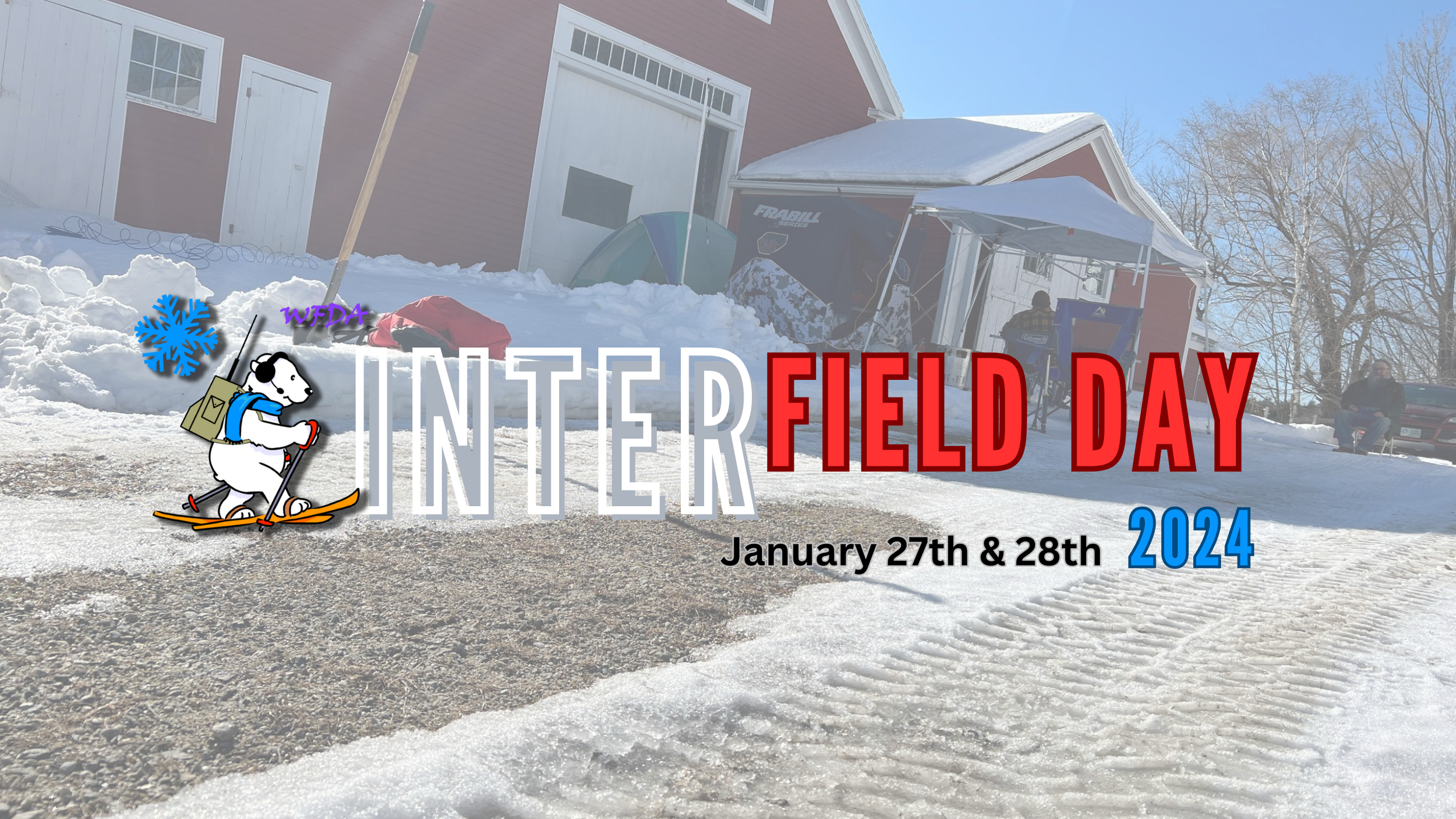
5 Ways to Elevate Your Winter Field Day Experience
Whether you're a seasoned operator or new to the event, here are five key areas to focus on in order to enhance your Winter Field Day experience.
Winter Field Day is an exciting event that challenges amateur radio operators to set up portable stations and operate outdoors in the midst of winter. With its unique set of challenges and opportunities, Winter Field Day offers a chance for participants to hone their skills and embrace the spirit of adventure. Whether you're a seasoned operator or new to the event, here are five key areas to focus on in order to enhance your Winter Field Day experience.
1. Cold Weather Preparation
Preparation is key when it comes to operating outdoors in winter conditions. Make sure to dress appropriately for the weather, layering clothing to stay warm and dry. Consider investing in high-quality winter gear, such as insulated boots, gloves, and a weather-resistant outer layer. Additionally, be mindful of safety precautions, such as protecting yourself from frostbite and hypothermia. Adequate preparation for the cold will ensure that you can focus on operating your station effectively without being hampered by the elements.
2. Efficient Antenna Setup
Setting up antennas in winter weather can be more challenging than in milder conditions. Take the time to plan and practice your antenna setup beforehand to ensure efficiency and reliability. Consider using antennas that are easy to deploy and withstand winter conditions, such as sturdy verticals or wire antennas. Additionally, be mindful of potential issues such as ice accumulation on antennas and how it may affect their performance. By optimizing your antenna setup for winter conditions, you can maximize your station's effectiveness during Winter Field Day.
3. Power Management
Managing power effectively is crucial for a successful Winter Field Day operation. Cold temperatures can impact battery performance, so it's important to have a reliable power source and backup plan in place. Consider using deep-cycle batteries or portable power generators suited for cold weather operation. Additionally, be mindful of power consumption, optimizing your station's setup to conserve energy and extend operating time. By paying attention to power management, you can ensure uninterrupted operation throughout the event.
4. Operating Strategy
Developing a solid operating strategy can greatly enhance your Winter Field Day experience. Consider factors such as band selection, propagation conditions, and operating modes to maximize your contact count. Be adaptable and ready to adjust your strategy based on changing conditions. Take advantage of the event's unique rules, such as bonus points for emergency power and operating in non-traditional locations, to add an extra layer of challenge and excitement to your experience.
5. Embracing the Camaraderie
Winter Field Day is not just about radio operation—it's also an opportunity to connect with fellow enthusiasts and share the experience of operating in challenging conditions. Embrace the camaraderie of the event by collaborating with teammates, sharing knowledge and resources with other participants, and celebrating the unique aspects of winter outdoor operation. Engaging with the broader amateur radio community during Winter Field Day can lead to valuable connections, new friendships, and a deeper appreciation for the spirit of amateur radio.
In conclusion, Winter Field Day offers a fantastic opportunity to test your skills, push your limits, and connect with like-minded individuals in the amateur radio community. By focusing on cold weather preparation, efficient antenna setup, power management, operating strategy, and embracing camaraderie, you can elevate your Winter Field Day experience and make the most of this exciting event. Whether you're braving the elements alone or participating as part of a team, these key areas of improvement can help you maximize your enjoyment and success during Winter Field Day.

Get Connected: Setting Up Your Ham Shack Hotline
Ham Shack hotline primer. Learn more about the non-traditional Communications mode that can open up your world to Ham Radio Communications.
Hey there, fellow radio enthusiasts! Are you ready to take your ham radio game to the next level? It's time to set up your very own ham shack hotline and open the door to a world of communication wonders. Let's dive in and discover the benefits and steps to get you up and running in no time!
For those who would like to jump in and get set up, I have a video posted on getting set up with HamShack Hotline.
Benefits of a Ham Shack Hotline
1. Stay Connected: With your own ham shack hotline, you can easily connect with other amateur radio operators near and far. It's like having a secret line to the coolest club in town, but for radio lovers!
2. Emergency Ready: When the going gets tough, a ham shack hotline can be a lifesaver. During emergencies or natural disasters, traditional communication may go haywire, but your hotline will keep you in touch with the outside world. Understanding that if you have backup and strong internet it can serve to be another mode of communication
3. Tech Support on Speed Dial: Got a tricky technical question or need help troubleshooting? Your hotline is the direct line to experienced operators who can lend a hand when you're in a radio bind.
Steps to Setting Up Your Hotline
Step 1: Get Your Line
First, you'll need a dedicated phone line for your ham shack. There are several older VOIP Phones you can pick up on the cheap to get set up. You may need to do some digging into how to properly configure it for the service. Y
Step 2: Ring Ring! Choose Your Number
You’ll need to use the HH Setup service which is outlined on their site to acquiring a extension and if you so choose an external number as well.
Step 3: Plug and Play
Install the phone and you’ll need to wait for the implementation team to send you the instructions to provisioning your phone for their network. Once that’s done and a few reboots later you’ll have access to the Ham Radio Hotline Network.
Step 4: Spread the Word
Shout it from the radio waves! Let your local clubs, online forums, and radio nets know about your new hotline. The more, the merrier, right? Get folks in your local club interested as it can help to have a quick way to connect to each other.
Step 5: Let the Connections Begin
With your ham shack hotline good to go, get ready to dial in and make some awesome new connections. Whether it's swapping stories, seeking advice, or just sharing some good old radio banter, your hotline is the place to be.
So there you have it, folks! Setting up your ham shack hotline is a fantastic way to supercharge your radio experience. It's all about staying connected, being prepared, and having a blast while you're at it. Now go on and get that hotline humming with the sound of friendly chatter and radio fun!

Top 5 Parks on the Air Tips for Activating a Park
Hey there, fellow radio enthusiasts! If you're a fan of Parks on the Air (POTA), you know the thrill of activating beautiful outdoor locations and making radio contacts amidst nature's splendor. Whether you're a seasoned POTA activator or considering your first activation, here are the top 5 tips to help you make the most of your park activations and ensure a successful and enjoyable experience.
Hey there, fellow radio enthusiasts! If you're a fan of Parks on the Air (POTA), you know the thrill of activating beautiful outdoor locations and making radio contacts amidst nature's splendor. Whether you're a seasoned POTA activator or considering your first activation, here are the top 5 tips to help you make the most of your park activations and ensure a successful and enjoyable experience.
1. Research Park Locations
Before heading out to activate a park, take the time to research potential locations. Visit the POTA website or use the POTA app to find parks near your area that are designated for amateur radio activities. Look for parks with ample space, good access, and minimal noise interference to enhance your operating experience and maximize your contact potential.
2. Plan Your Setup
A well-thought-out setup is essential for a smooth park activation. Consider the layout of the park and choose a site that offers a clear area for setting up your equipment and antennas. Ensure that you have all the necessary gear, including portable masts, antennas, power sources, and a comfortable operating position. Anticipating your setup needs beforehand will save time and hassle on the day of the activation.
3. Check the Weather
Weather conditions can greatly impact your park activation, so be sure to check the forecast before heading out. Dress appropriately for the weather and bring along protective covers for your equipment in case of rain or wind. Additionally, consider the effect of weather on antenna performance and make any necessary adjustments to your setup to accommodate changing conditions.
4. Engage with the Community
POTA activations offer an excellent opportunity to connect with other radio enthusiasts and share your passion for amateur radio. Be open to engaging with park visitors who may be curious about your setup, and consider inviting them to listen in or even make a contact. Sharing your enthusiasm for amateur radio can help promote the hobby and create positive interactions with the public.
5. Log Your Contacts
Accurate logging is crucial for validating your park activation, so be diligent in logging your contacts as you make them. Consider using a reliable logging app or software to streamline the process and ensure that your logs are complete and error-free. Remember to follow POTA's guidelines for logging and submission to ensure that your activation is properly recorded and recognized.
By keeping these tips in mind, you'll be well-prepared to embark on a successful and enjoyable park activation. Embrace the natural beauty, engage with fellow operators, and make the most of your POTA experience as you activate parks and share the joy of amateur radio with the world.
Have you activated a park for POTA before? What tips would you share with fellow enthusiasts? Feel free to share your experiences and insights in the comments below. Until next time, happy activating!

APRS.fi iOS App Review: A Comprehensive Tool for APRS Enthusiasts
As an avid amateur radio operator and APRS (Automatic Packet Reporting System) enthusiast, I have found the APRS.fi iOS app to be an indispensable tool for staying connected to the APRS network while on the go. This well-designed and feature-rich app provides real-time access to APRS data, maps, and messaging, making it a must-have for anyone involved in APRS activities. Here are three standout features of the APRS.fi iOS app that make it a valuable resource for amateur radio operators and APRS users:
As an avid amateur radio operator and APRS (Automatic Packet Reporting System) enthusiast, I have found the APRS.fi iOS app to be an indispensable tool for staying connected to the APRS network while on the go. This well-designed and feature-rich app provides real-time access to APRS data, maps, and messaging, making it a must-have for anyone involved in APRS activities. Here are three standout features of the APRS.fi iOS app that make it a valuable resource for amateur radio operators and APRS users:
1. Real-Time Position Tracking:
One of the most impressive features of the APRS.fi app is its ability to display real-time position tracking of APRS-equipped stations on a map. Users can easily view the current locations of other amateur radio operators, weather stations, and objects equipped with APRS transmitters. The app provides detailed information about each station, including call signs, position, altitude, course, and speed, allowing users to stay informed about the activities of their fellow APRS enthusiasts.
2. Messaging and Telemetry Display:
The APRS.fi app offers robust messaging capabilities, allowing users to send and receive APRS messages directly from their iOS devices. This feature facilitates communication between operators in the field and provides a convenient means of exchanging information and coordinating activities. Additionally, the app supports telemetry data display, enabling users to monitor and analyze sensor readings from APRS-equipped devices, such as weather stations and environmental monitoring equipment.
3. Customizable Filters and Alerts:
The app's customizable filtering and alerting features empower users to tailor their APRS.fi experience to suit their specific needs and interests. Users can set up filters to display only the types of stations and objects they are interested in, such as weather stations, emergency beacons, or specific call signs. Furthermore, the app allows users to create alerts based on various criteria, such as proximity to a specific location, the appearance of a particular station, or the reception of specific types of messages. These powerful customization options ensure that users receive the most relevant and timely information from the APRS network.
In conclusion, the APRS.fi iOS app stands out as a comprehensive and user-friendly tool for amateur radio operators and APRS enthusiasts. With its real-time position tracking, messaging capabilities, telemetry display, and customizable filters and alerts, the app provides a seamless and informative APRS experience on iOS devices. Whether you're monitoring the movements of fellow operators, participating in public service events, or simply exploring the capabilities of APRS, the APRS.fi app is a valuable companion that enhances your engagement with the APRS network.