
Field Notes from N1JUR
Real-world ham radio tips, portable operating lessons, gear thoughts, and activation stories from the field to the shack.
What You’ll Find Here
This blog is where I go deeper than a YouTube description. You’ll find practical ham radio guides, activation lessons, gear breakdowns, and field notes from real operating experiences.
Some posts are beginner-friendly. Some get a little more technical. And some are just honest lessons from the field — because not every activation goes perfectly, and that’s usually where the good stuff happens.
Portable operating tips
POTA, SOTA, and location-based activation ideas
Gear and antenna experiments
Beginner-friendly ham radio guides
Field stories and lessons learned
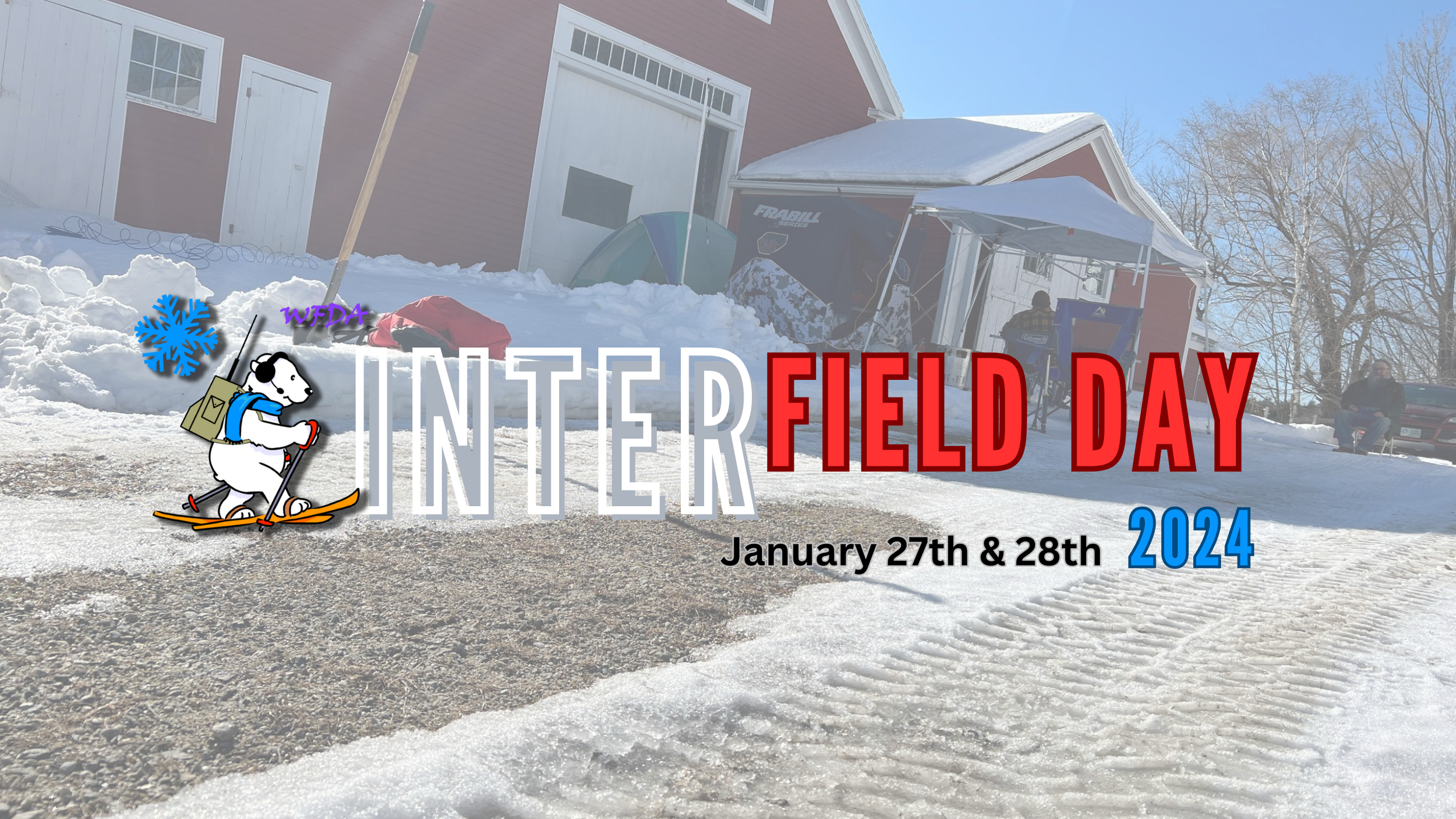
5 Ways to Elevate Your Winter Field Day Experience
Whether you're a seasoned operator or new to the event, here are five key areas to focus on in order to enhance your Winter Field Day experience.
Winter Field Day is an exciting event that challenges amateur radio operators to set up portable stations and operate outdoors in the midst of winter. With its unique set of challenges and opportunities, Winter Field Day offers a chance for participants to hone their skills and embrace the spirit of adventure. Whether you're a seasoned operator or new to the event, here are five key areas to focus on in order to enhance your Winter Field Day experience.
1. Cold Weather Preparation
Preparation is key when it comes to operating outdoors in winter conditions. Make sure to dress appropriately for the weather, layering clothing to stay warm and dry. Consider investing in high-quality winter gear, such as insulated boots, gloves, and a weather-resistant outer layer. Additionally, be mindful of safety precautions, such as protecting yourself from frostbite and hypothermia. Adequate preparation for the cold will ensure that you can focus on operating your station effectively without being hampered by the elements.
2. Efficient Antenna Setup
Setting up antennas in winter weather can be more challenging than in milder conditions. Take the time to plan and practice your antenna setup beforehand to ensure efficiency and reliability. Consider using antennas that are easy to deploy and withstand winter conditions, such as sturdy verticals or wire antennas. Additionally, be mindful of potential issues such as ice accumulation on antennas and how it may affect their performance. By optimizing your antenna setup for winter conditions, you can maximize your station's effectiveness during Winter Field Day.
3. Power Management
Managing power effectively is crucial for a successful Winter Field Day operation. Cold temperatures can impact battery performance, so it's important to have a reliable power source and backup plan in place. Consider using deep-cycle batteries or portable power generators suited for cold weather operation. Additionally, be mindful of power consumption, optimizing your station's setup to conserve energy and extend operating time. By paying attention to power management, you can ensure uninterrupted operation throughout the event.
4. Operating Strategy
Developing a solid operating strategy can greatly enhance your Winter Field Day experience. Consider factors such as band selection, propagation conditions, and operating modes to maximize your contact count. Be adaptable and ready to adjust your strategy based on changing conditions. Take advantage of the event's unique rules, such as bonus points for emergency power and operating in non-traditional locations, to add an extra layer of challenge and excitement to your experience.
5. Embracing the Camaraderie
Winter Field Day is not just about radio operation—it's also an opportunity to connect with fellow enthusiasts and share the experience of operating in challenging conditions. Embrace the camaraderie of the event by collaborating with teammates, sharing knowledge and resources with other participants, and celebrating the unique aspects of winter outdoor operation. Engaging with the broader amateur radio community during Winter Field Day can lead to valuable connections, new friendships, and a deeper appreciation for the spirit of amateur radio.
In conclusion, Winter Field Day offers a fantastic opportunity to test your skills, push your limits, and connect with like-minded individuals in the amateur radio community. By focusing on cold weather preparation, efficient antenna setup, power management, operating strategy, and embracing camaraderie, you can elevate your Winter Field Day experience and make the most of this exciting event. Whether you're braving the elements alone or participating as part of a team, these key areas of improvement can help you maximize your enjoyment and success during Winter Field Day.

Top 5 Parks on the Air Tips for Activating a Park
Hey there, fellow radio enthusiasts! If you're a fan of Parks on the Air (POTA), you know the thrill of activating beautiful outdoor locations and making radio contacts amidst nature's splendor. Whether you're a seasoned POTA activator or considering your first activation, here are the top 5 tips to help you make the most of your park activations and ensure a successful and enjoyable experience.
Hey there, fellow radio enthusiasts! If you're a fan of Parks on the Air (POTA), you know the thrill of activating beautiful outdoor locations and making radio contacts amidst nature's splendor. Whether you're a seasoned POTA activator or considering your first activation, here are the top 5 tips to help you make the most of your park activations and ensure a successful and enjoyable experience.
1. Research Park Locations
Before heading out to activate a park, take the time to research potential locations. Visit the POTA website or use the POTA app to find parks near your area that are designated for amateur radio activities. Look for parks with ample space, good access, and minimal noise interference to enhance your operating experience and maximize your contact potential.
2. Plan Your Setup
A well-thought-out setup is essential for a smooth park activation. Consider the layout of the park and choose a site that offers a clear area for setting up your equipment and antennas. Ensure that you have all the necessary gear, including portable masts, antennas, power sources, and a comfortable operating position. Anticipating your setup needs beforehand will save time and hassle on the day of the activation.
3. Check the Weather
Weather conditions can greatly impact your park activation, so be sure to check the forecast before heading out. Dress appropriately for the weather and bring along protective covers for your equipment in case of rain or wind. Additionally, consider the effect of weather on antenna performance and make any necessary adjustments to your setup to accommodate changing conditions.
4. Engage with the Community
POTA activations offer an excellent opportunity to connect with other radio enthusiasts and share your passion for amateur radio. Be open to engaging with park visitors who may be curious about your setup, and consider inviting them to listen in or even make a contact. Sharing your enthusiasm for amateur radio can help promote the hobby and create positive interactions with the public.
5. Log Your Contacts
Accurate logging is crucial for validating your park activation, so be diligent in logging your contacts as you make them. Consider using a reliable logging app or software to streamline the process and ensure that your logs are complete and error-free. Remember to follow POTA's guidelines for logging and submission to ensure that your activation is properly recorded and recognized.
By keeping these tips in mind, you'll be well-prepared to embark on a successful and enjoyable park activation. Embrace the natural beauty, engage with fellow operators, and make the most of your POTA experience as you activate parks and share the joy of amateur radio with the world.
Have you activated a park for POTA before? What tips would you share with fellow enthusiasts? Feel free to share your experiences and insights in the comments below. Until next time, happy activating!

3 things you shouldn't say to park rangers
We all have had a moment where we are asked - What are you doing? When were activating a park. So here are 3 things you never say to a park
While browsing POTA groups, I often come across arguments between hams and state park rangers. I used to find it amusing, knowing that the ham was usually the one at fault. However, I now feel compelled to address this issue myself. I want to shed some light on the topic and provide some helpful advice for new hams who are just starting to dip their toes into the world of POTA. So, here are the three things that should never be said to a park ranger when activating a park.
1: Start with I am an FCC LICENSED AMATEUR RADIO operator.
This will not win you any points, and might even get your photo posted in the Rangers Station. Try not to be forward and play like you own the place.
2: I have the right to….(insert item)
No matter what the “right” you have as a paying customer always treat others with respect and you going to get further than throwing around “shade”.
3: I paid the Park fee and read the rules, so…..
Your gonna get your butt tossed as this is not a seniority thing. You are on lands that aren’t directly owned/maintained by you - yes you pay taxes, but they - the rangers are there to keep civility and make the experience at the park great for everyone.
If you find yourself saying any of these phrases, may I suggest a different approach and consider this
1: I wasn't aware of (insert park rule). Can you direct me to an online link so I can learn more about it?
2: Do you have any suggestions or recommendations for the next time I activate the park again?
3: Have the pota flyer ready to help educate and offer the ranger an opportunity to make a QSo.
So if you are the type that doesn’t back down from an argument or likes to stir the pot, take a second to pause and think “Am I doing this activity for me or am I helping to pave the way for others to enjoy it as much as I have” As this will always help to make the Ham Radio Hobby welcoming to those that think we’re just the “tin foil hat” crew.
So have you been witness to a situation like this? Or did I miss some other statements, that should be included? Please Leave them in the comments below.