
Field Notes from N1JUR
Real-world ham radio tips, portable operating lessons, gear thoughts, and activation stories from the field to the shack.
What You’ll Find Here
This blog is where I go deeper than a YouTube description. You’ll find practical ham radio guides, activation lessons, gear breakdowns, and field notes from real operating experiences.
Some posts are beginner-friendly. Some get a little more technical. And some are just honest lessons from the field — because not every activation goes perfectly, and that’s usually where the good stuff happens.
Portable operating tips
POTA, SOTA, and location-based activation ideas
Gear and antenna experiments
Beginner-friendly ham radio guides
Field stories and lessons learned

Getting Ready for a Winter Field Day: Preparing for Cold-Weather Ham Radio Operations
The thought of operating outdoors in the crisp winter air, surrounded by snow-covered landscapes, and making contacts with fellow operators across the globe is truly exhilarating. However, winter field operations come with their own set of challenges, especially when it comes to staying warm and keeping our equipment running smoothly in cold conditions. In this post, we'll discuss some essential tips to help you prepare for a successful and enjoyable winter field day.
Hey there, fellow radio enthusiasts! As the winter season approaches, many of us are gearing up for one of the most exciting events on the ham radio calendar – Winter Field Day. The thought of operating outdoors in the crisp winter air, surrounded by snow-covered landscapes, and making contacts with fellow operators across the globe is truly exhilarating. However, winter field operations come with their own set of challenges, especially when it comes to staying warm and keeping our equipment running smoothly in cold conditions. In this post, we'll discuss some essential tips to help you prepare for a successful and enjoyable winter field day.
1. Dressing for the Cold
When venturing out for winter field day activities, it's crucial to dress appropriately for the weather. Layering is key to staying warm and comfortable during extended operating sessions. Start with a moisture-wicking base layer to keep sweat away from your body, followed by insulating layers such as fleece or wool, and finally, a windproof and waterproof outer layer to protect against the elements. Don't forget to wear warm, moisture-wicking socks and insulated, waterproof boots to keep your feet dry and toasty.
2. Protecting Your Equipment
Cold temperatures can have a significant impact on the performance of your radio equipment. Batteries can lose capacity in the cold, and LCD displays may become sluggish or unresponsive. To mitigate these issues, consider using insulated cases or wraps for your gear, and keep spare batteries in a warm location, such as an inside pocket, to maintain their charge. Additionally, using hand warmers or small heating pads inside your equipment cases can help prevent temperature-related malfunctions.
3. Setting Up a Shelter
Having a shelter to operate from can make a world of difference during a winter field day. Whether it's a portable tent, a pop-up canopy, or a makeshift tarp shelter, having a designated space to shield you from wind and snow will enhance your comfort and allow you to focus on making contacts without worrying about the weather.
4. Antenna Considerations
Snow and ice can affect the performance of your antennas, so be sure to inspect and clear them of any accumulated wintry precipitation before and during your operating session. Portable antennas like dipoles or verticals may require extra support or guying to withstand winter weather conditions, so plan accordingly to ensure your antennas stay upright and functional.
5. Stay Hydrated and Nourished
In cold weather, it's easy to overlook the need for hydration and nutrition. However, staying well-hydrated and fueled with warm, high-energy foods is essential for maintaining focus and energy levels during outdoor operations. Pack plenty of water and hot beverages in insulated containers, and bring along hearty snacks to keep you going throughout the day.
By taking these preparations into account, you'll be well-equipped to tackle the challenges of winter field day and enjoy a rewarding and memorable radio experience. Embrace the beauty of the winter landscape, connect with fellow operators, and make the most of this unique opportunity to operate in a winter wonderland.
Are you preparing for winter field day? Share your tips and experiences in the comments below. Until next time, stay warm, stay safe, and keep those radios buzzing!
Ham Radio Logging Apps? What to choose?
Many new ham radio enthusiasts often ask me which logging apps I use. When I'm asked this question, I pause and ask what they are currently using. Some may be using FT8, while others may be building their POTA setup and trying to improve their logging. Some may even be using paper logging and looking for an upgrade. Regardless of where they are in the process, I try to help them by shedding some light on a few areas that might be useful.
Many new ham radio enthusiasts often ask me which logging apps I use. When I'm asked this question, I pause and ask what they are currently using. Some may be using FT8, while others may be building their POTA setup and trying to improve their logging. Some may even be using paper logging and looking for an upgrade. Regardless of where they are in the process, I try to help them by shedding some light on a few areas that might be useful.
Parks on the Air/ POTA Activations:
As a frequent user of portable activation logging systems, I highly recommend HAMRS (https://hamrs.app/). This excellent logger is lightweight, quick, and multi-platform, and it offers a great mix of export and analytics features. While it may not be suitable as your primary logging app for all your contacts, it provides several templates for Field Day, Parks on the Air, and Generic operations. I use it on both Windows and iOS platforms.
It is important to note that HAMRS is not a "Swiss army" logging solution, but rather a direct logging tool to ADIF format with a few additional functions to enhance the user experience. It does not interface with your radio, so if you require a logging solution for Digital/FT8 operations, you may need to look for another suitable option.
Parks on the Air / POTA Digital Logging:
Earlier, I mentioned that HAMRS is not the best option for digital modes in the field. To optimize my digital experience, I needed a lightweight, customizable, and feature-rich logger with basic CAT control and auto-logging capabilities. This is where the Amateur Contact Log (https://www.n3fjp.com/aclog.html) comes in handy.
I use an FT891 HF radio and a Windows Surface Laptop running WSJTX. To seamlessly control the VFO, make an FT8 contact, and log it, I integrated both my Digirig, CAT control and AC Log. I created a new log for each activation, which I can export and import into the POTA website, and my primary AC Log is in my Ham Shack. I only set up one of the syncing features to QRZ for quick call lookup, but none of my logging is auto-synced. I do this to avoid messing up my main log.
For anyone who is interested, I plan to create a video demonstrating this setup. It has been the best combination of easy-to-integrate software and hardware, making activations a breeze!
Field Day(s)
N1MM Logging is the preferred software for logging during Field Day. Its history of use in this event is extensive, and there are numerous videos available that explain how to set it up and configure it for both standalone and networked use. Networking can be a bit challenging, but it is not impossible. The biggest challenge comes with keeping all versions of the program updated to the same software level, which can feel like a full-time job as Field Day approaches.
If you are considering using N1MM as your home shack logger, it is capable, but its interface and UI may not look as modern as other software options.
Home Shack Use:
Choosing the right logger can be a tough decision. To make it easier, consider three things. First, try out all the available options, such as Ham Radio Deluxe, AC Log, OM Log, Swiss Log, Aether (Mac Only), and Rumlog. But before you do that, take an inventory of your modes. Are you a CW and Digital user, or do you prefer voice? Do you chase awards or want to get into DXing? Each of these loggers will have strengths in different areas. To make the evaluation process easier, determine what is most important to you before you make a purchase.
So Hope these ideas helped you sort out what logger works for you. Whether you are a pen/paper person or love the latest "Wizbang" features, there is going to be a logging app that will fill that need. Both out in the field and in the home shack

Virtual: Elmer
Throughout my life, I have always aimed to be helpful. I believe that the best way to help myself is by assisting others. When I started learning Ham Radio, it was an excellent opportunity for me to expand my reach and continue helping others.

Throughout my life, I have always aimed to be helpful. I believe that the best way to help myself is by assisting others. When I started learning Ham Radio, it was an excellent opportunity for me to expand my reach and continue helping others.
My family background involved a lot of relatives who hoarded stuff. As a kid, I had an uncle who would constantly "loan" me things but always had a condition of getting them back. This used to irk me. I remember a time when he gave me a CB Radio to use, but the day came when he asked for it back, just when I was beginning to upgrade and modify the setup. Despite having a lot of conversations, my parents encouraged me to return it, and I never forgot it. I made a vow that in any hobby if I had an abundance of something, I would share it or pass it on to others so that they could experience the same joy that I had, where they might not have been able to afford it directly.
After coming back to the hobby, I have had the opportunity to bless others by passing on equipment, antennas, and other things. It's kind of a selfish thing because by sharing these things, I get back the opportunity to go out with these folks and play radio or have a companion that I could talk to on the repeater frequently. If I gave them a mobile 2m rig, for example, it would also open up the opportunity for them to encourage others to join the hobby, which brings goodwill and life to it.
So, I came up with an idea that I'd like to share with others. This post is titled "Virtual: Elmer" because YouTube has been a great resource for others to learn about the hobby and get quick answers to resolve a problem. But, there isn’t a resource where someone can go to get how-to guides, procedural steps, or technical manuals on solving specific problems.
The end goal is to make it community-contributed, where folks can submit a guide, and it's "vetted" through the lens of making sure it's thorough, clear, and concise. All with the benefit of helping others grow.
So, what do you think? Is there a need for that type of stuff? Should I just build it and let it loose into the interwebs to see what traction it gets? Let me know your thoughts in the comments below.

3 things you shouldn't say to park rangers
We all have had a moment where we are asked - What are you doing? When were activating a park. So here are 3 things you never say to a park
While browsing POTA groups, I often come across arguments between hams and state park rangers. I used to find it amusing, knowing that the ham was usually the one at fault. However, I now feel compelled to address this issue myself. I want to shed some light on the topic and provide some helpful advice for new hams who are just starting to dip their toes into the world of POTA. So, here are the three things that should never be said to a park ranger when activating a park.
1: Start with I am an FCC LICENSED AMATEUR RADIO operator.
This will not win you any points, and might even get your photo posted in the Rangers Station. Try not to be forward and play like you own the place.
2: I have the right to….(insert item)
No matter what the “right” you have as a paying customer always treat others with respect and you going to get further than throwing around “shade”.
3: I paid the Park fee and read the rules, so…..
Your gonna get your butt tossed as this is not a seniority thing. You are on lands that aren’t directly owned/maintained by you - yes you pay taxes, but they - the rangers are there to keep civility and make the experience at the park great for everyone.
If you find yourself saying any of these phrases, may I suggest a different approach and consider this
1: I wasn't aware of (insert park rule). Can you direct me to an online link so I can learn more about it?
2: Do you have any suggestions or recommendations for the next time I activate the park again?
3: Have the pota flyer ready to help educate and offer the ranger an opportunity to make a QSo.
So if you are the type that doesn’t back down from an argument or likes to stir the pot, take a second to pause and think “Am I doing this activity for me or am I helping to pave the way for others to enjoy it as much as I have” As this will always help to make the Ham Radio Hobby welcoming to those that think we’re just the “tin foil hat” crew.
So have you been witness to a situation like this? Or did I miss some other statements, that should be included? Please Leave them in the comments below.

TOP 5 HAM IOS APPS : Part Deux
After the immense interest my previous post received on the Top 5 Ham apps, I decided to create a Part 2. Here are five new HAM apps for iOS that you should definitely have on your smartphone.
Following the positive feedback I received on my previous blog post about the best Ham Apps for iOS, I thought I'd share another list. Without further ado, here are five Ham Apps for iOS that I personally find useful. Please note that these apps are presented in no particular order, and some may be free or low-cost. For full transparency, I purchased these apps with my own money, so the reviews are solely based on my own opinion.
Let’s dive in!
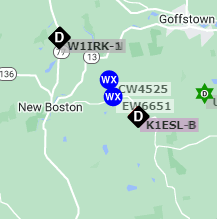
APRS is a well-liked mode utilized in ham radio. The APRS website for tracking plays a significant role in this infrastructure. Whenever possible, I employ APRS on my mobile and handheld devices. I understand that some people feel uneasy about being tracked. Still, I want to emphasize that utilizing APRS on your mobile device improves other tracking systems, particularly in VHF/UHF propagation. Your APRS data can aid in predicting when DX windows open up, as your spotting information provides insight into when and where these openings may occur. The APRS web Shortcut app is one of my smartphone's “important” apps.
APP COST: FREE

I won’t go into much detail with this app as you can easily google it and find a “butt-Ton” of reviews on the app. But if you do any Portable radio or POTA itself, you know its value as a logger. Having it on multiple platforms makes quick, speedy logging the only choice.
You're not alone if you struggle with differentiating between UTC and military time. I often try to calculate the local time when presented with UTC. But with Zulu Time, you no longer have to go through that hassle. This straightforward app has a screen widget that displays the current Zulu time and offers a time converter to help you convert local time to UTC. It's a fantastic addition to your Ham Toolbelt.
APP COST: $3.99

This app may be simple, but it offers a wealth of information when you're out in the field. It utilizes the phone's GPS to determine your latitude, longitude, altitude, and grid square. I find this app incredibly useful when I engage in digital POTA, as it simplifies setting up WSJT-X with the correct grid square.
APP COST: FREE
Building an antenna can be challenging, especially when determining the correct length of wire. While many calculators online can help, I often find myself in a situation where I need to cut the wire and can’t access my paper calculations. That's where HamAntCal comes in - I can quickly get the wire lengths I need with just a few input values. This app offers a variety of calculations for different types of antennas, including ¼ verticals, inverted V's, ½ wave dipoles, and more. Although I don't use it frequently, I always turn to HamAntCal when I need assistance with antenna building.
APP COST: $.99
These are my favorite five Ham apps for iOS. I'm interested in hearing your feedback if you've tried any of them. Additionally, if there are any other Ham apps that you use that I didn't mention, please share them in the comments section. I'm constantly on the lookout for new Ham apps to test out!