
Field Notes from N1JUR
Real-world ham radio tips, portable operating lessons, gear thoughts, and activation stories from the field to the shack.
What You’ll Find Here
This blog is where I go deeper than a YouTube description. You’ll find practical ham radio guides, activation lessons, gear breakdowns, and field notes from real operating experiences.
Some posts are beginner-friendly. Some get a little more technical. And some are just honest lessons from the field — because not every activation goes perfectly, and that’s usually where the good stuff happens.
Portable operating tips
POTA, SOTA, and location-based activation ideas
Gear and antenna experiments
Beginner-friendly ham radio guides
Field stories and lessons learned

Review: RepeaterPhone for iOS
If you're searching for an application that can link to both echolink and Allstar, then your search is over because RepeaterPhone has arrived.

Recently, I've been searching for an iOS application that can help me connect to the Allstar node. I've been using the Echolink app for a while, but it's starting to feel outdated, even though it allows me to connect via my iPhone. Let's save those comments for later before anyone criticizes it for not being "real radio" and RF infractions.

Before I discuss the app and its features, let me give you some context. My father lives about three hours away from me and has a small radio station. He can connect to many local repeaters and uses Echolink to try to join the club nets in my area. He was successful for some time with an Echolink node connected to the club's repeater. However, for reasons I won't go into, that "lifeline" was taken down, and his communication with the club was cut off.
Although we're still working on a solution, I wanted to find a way to connect him back to the club. That's where my Allstar node comes in. We have a club repeater with a digital connection, but the feedback from members is that analog users hear "digital static" when the machine is in "digital" mode. Balancing between modes can be difficult.
That's where AllStar comes in. For those unfamiliar with this mode, it's an analog IRLP solution that provides a "digital bridge" to other nodes/repeaters worldwide. Like most digital modes, it uses nodes for rooms or reflectors, but there's a huge advantage. You don't need a digital radio.
Now that the nodes are running, I started looking for an "all-star specific" app. That's when I found RepeaterPhone. This app is available on iOS, well-designed, and easy to use. However, the price is a bit steep, considering the features it offers. But I'm not complaining since most apps with a good development team behind them should cost something. In the ham community, we tend to look for the cheapest solution, but sometimes, quality comes at a price.
App Features/Setup

It's pretty simple. First, navigate the settings app and adjust the menu options before creating a new account. One of the best features is the QRZ lookup, which quickly identifies callsigns and nodes. Once that's done, create a new account and enter your Allstar credentials, which are used to log in to the portal and access the node directory. If everything was entered correctly, your Allstar account should be active.
Now, head to the directory tab at the bottom of the page and search for the node you want to connect to. The app is designed with an intuitive layout, similar to the Echolink app, making it easy and enjoyable.
In summary
This application is an excellent complement to your collection of iOS apps for Ham enthusiasts. Its reliable functionality allows you to stay in touch with others. My dad is a frequent app user and has found it a convenient way to connect with Echolink and Allstar and make contacts directly from his mobile device.
You can learn more about the app by heading over to

Field Day Memories
Let's use this Field Day as an opportunity to establish connections that will enhance both the hobby and our personal enjoyment of it.
For those that have been a Ham for a while know that every year the fourth weekend of June is Field Day.
Field Day for those new to the hobby is a 2-day event where hams gather at a location outside of their own homes - usually a public field or big location and throw wires into the trees, erect massive vertical structures and yell into microphones things like “Five Alpha November Hotel.”
All the while eating food your wife would disapprove of and hanging out with friends and family around the campfire between radio sessions.
You see, field day is more than a bunch of “old men” hunkering down in a dark radio room listening to the drone of Morse code in the background.
It’s a place where people no matter your skill level - engineer, physicist, or corrections officer meet and swap stories, share experiences and swap a craft beer or two. We learn about how our voices travel far distant places over waves in the atmosphere. We seek out that illustrious DX station is giving 59 signal.
But I learned a thing or two from a mentor…….
The thing I learned with field day isn’t how much you know about impedance or the velocity factor of LMR 400 - which is coax to the average human. The memories you make with all different people, young and old, make you remember why you started this hobby.
You see, often, the gap between the older and younger generation widens, eroding the opportunity for passing on the “stories” of the past. Everyone’s busy lives can create a gap to keep us from “slowing down” and pause to listen to the wisdom of our senior generation.
I also throw a challenge to the older, wiser generation. Use the moments presented to you to come alongside a “younger” ham and “be curious.” You might be surprised that you build a connection that becomes a “bridge” to a great friendship and connection to growing your club.

NH POTA Meetup
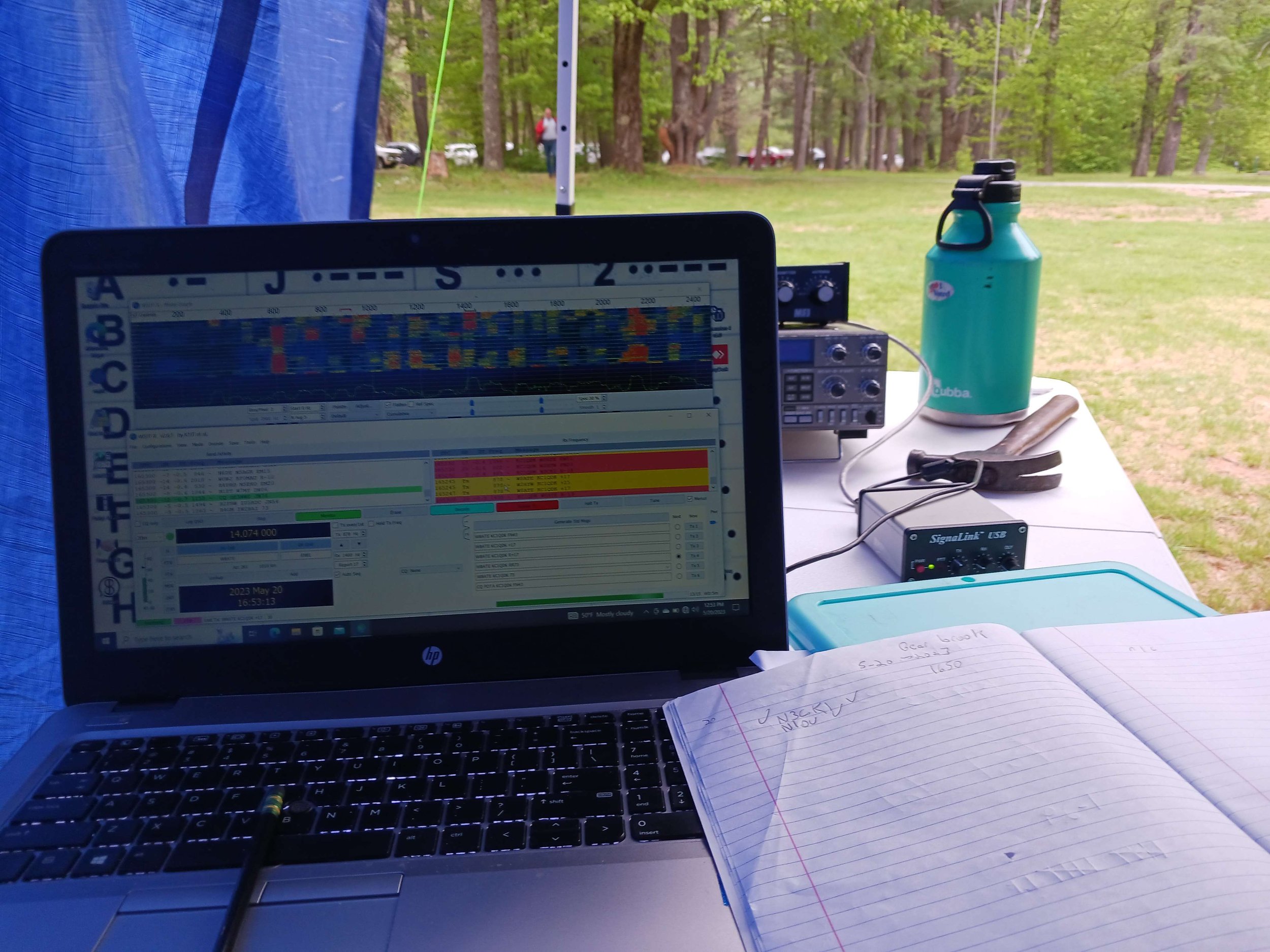
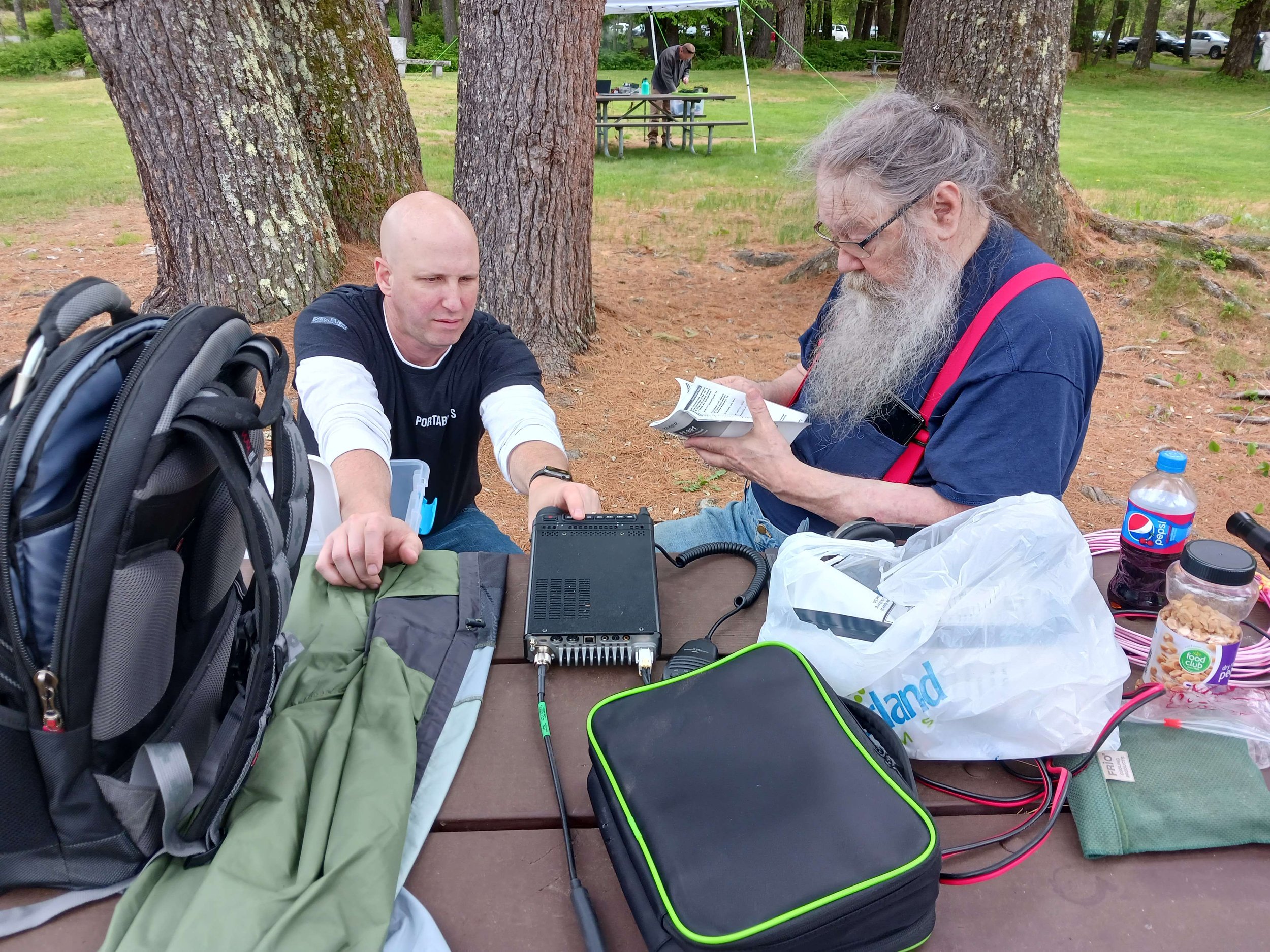
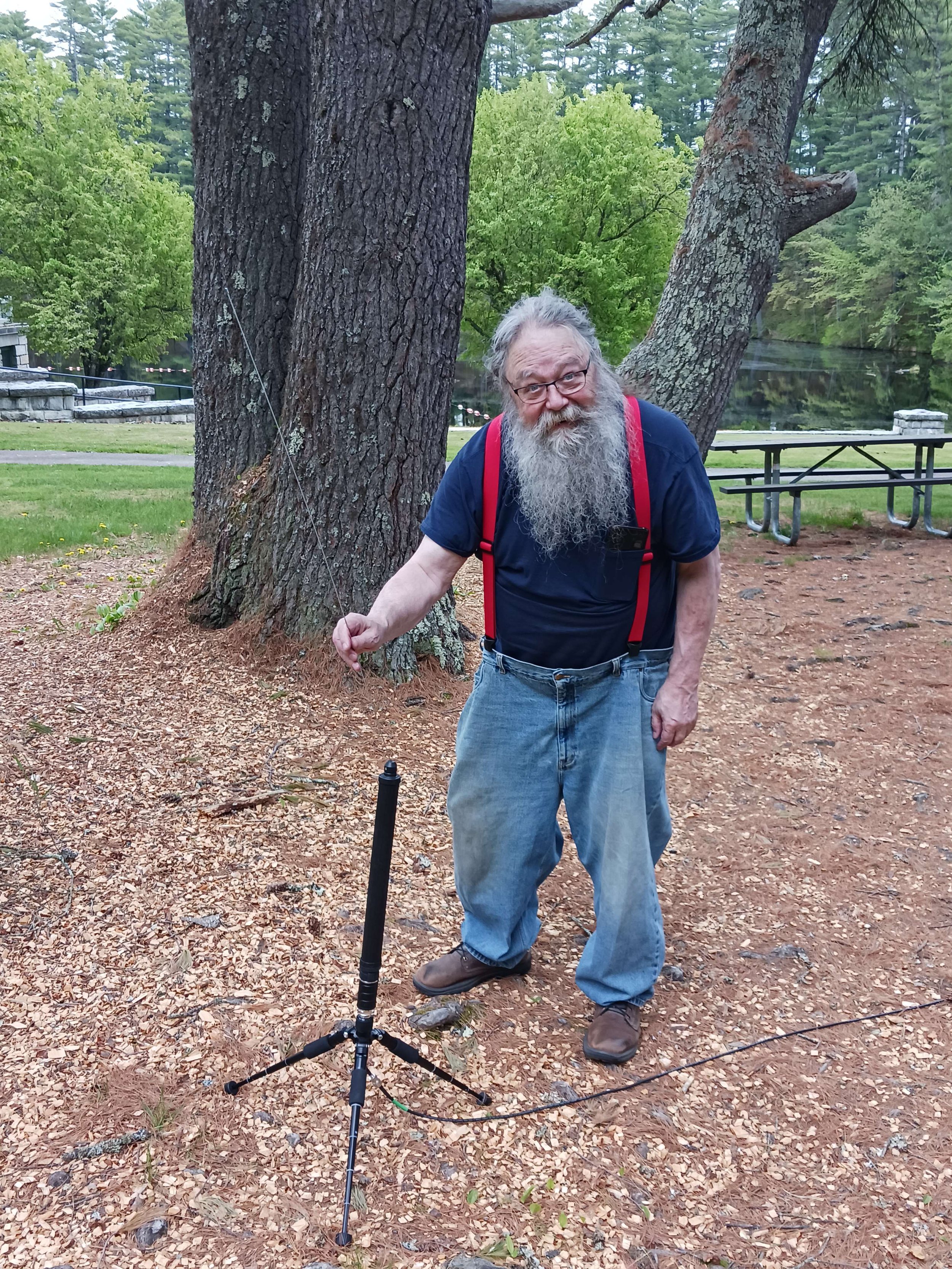
Our NH POTA Meetup was a great success! We activated Bear Brook State Park and battled the weather, a wedding and poor band conditions.
Organizing a POTA Meetup always presents unexpected challenges. At Bear Brook State Park, we faced a bride's wedding, harsh Propagation conditions, and the threat of rain. However, we persevered and had a successful Meetup, surrounded by like-minded individuals who share a passion for radio and the outdoors.
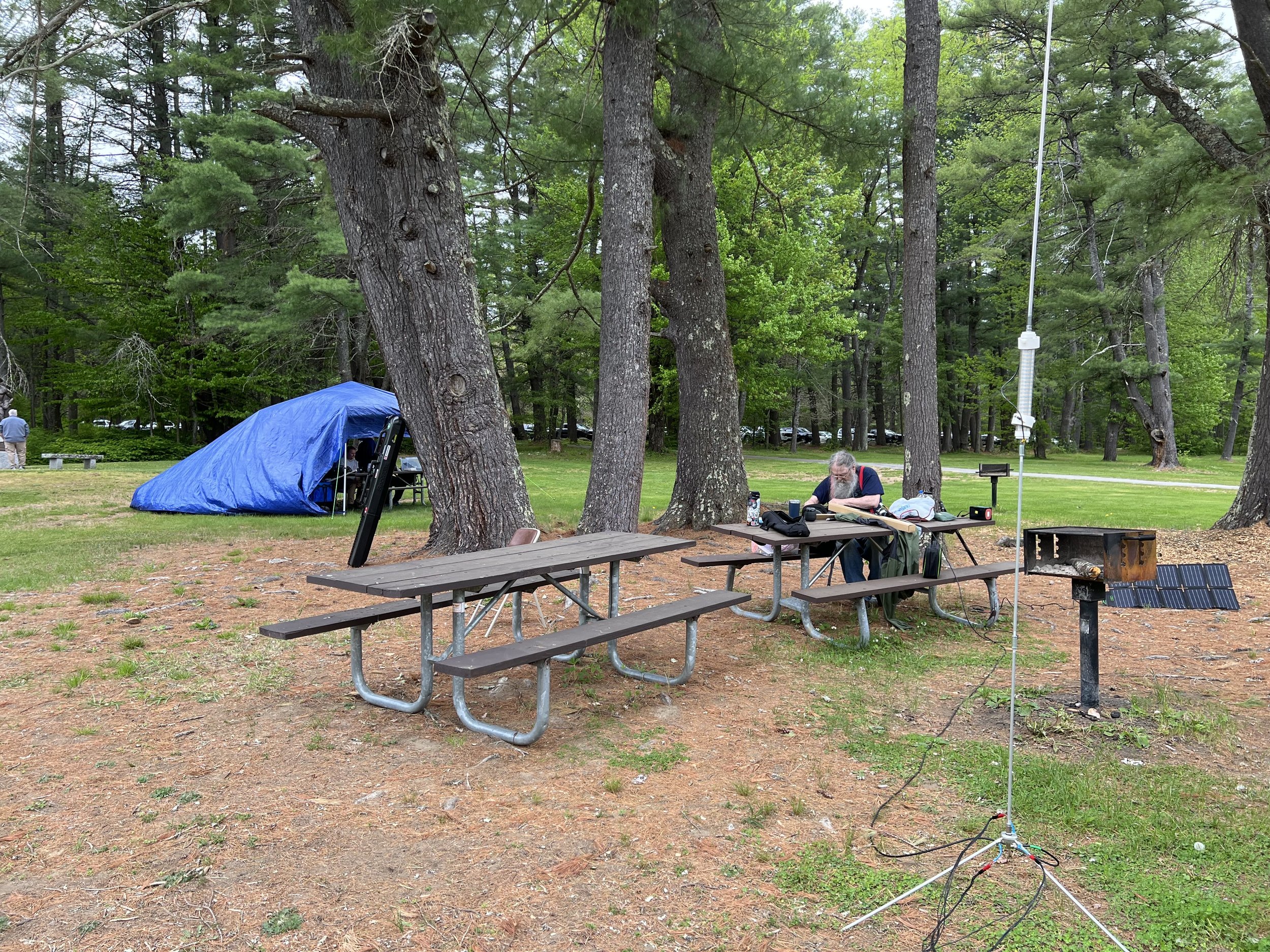
Bear Brook State Park boasts a stunning backdrop of lush greenery, a serene pond, and a charming pavilion that resembles a scene from a Walt Whitman painting. It's an idyllic setting for a radio activation, provided that you don't accidentally interrupt a wedding ceremony. Unfortunately, due to the impending rain, we had to move up the activation time by an hour, which coincided with the wedding ceremony. Nevertheless, we made the best of the situation and enjoyed our time together.
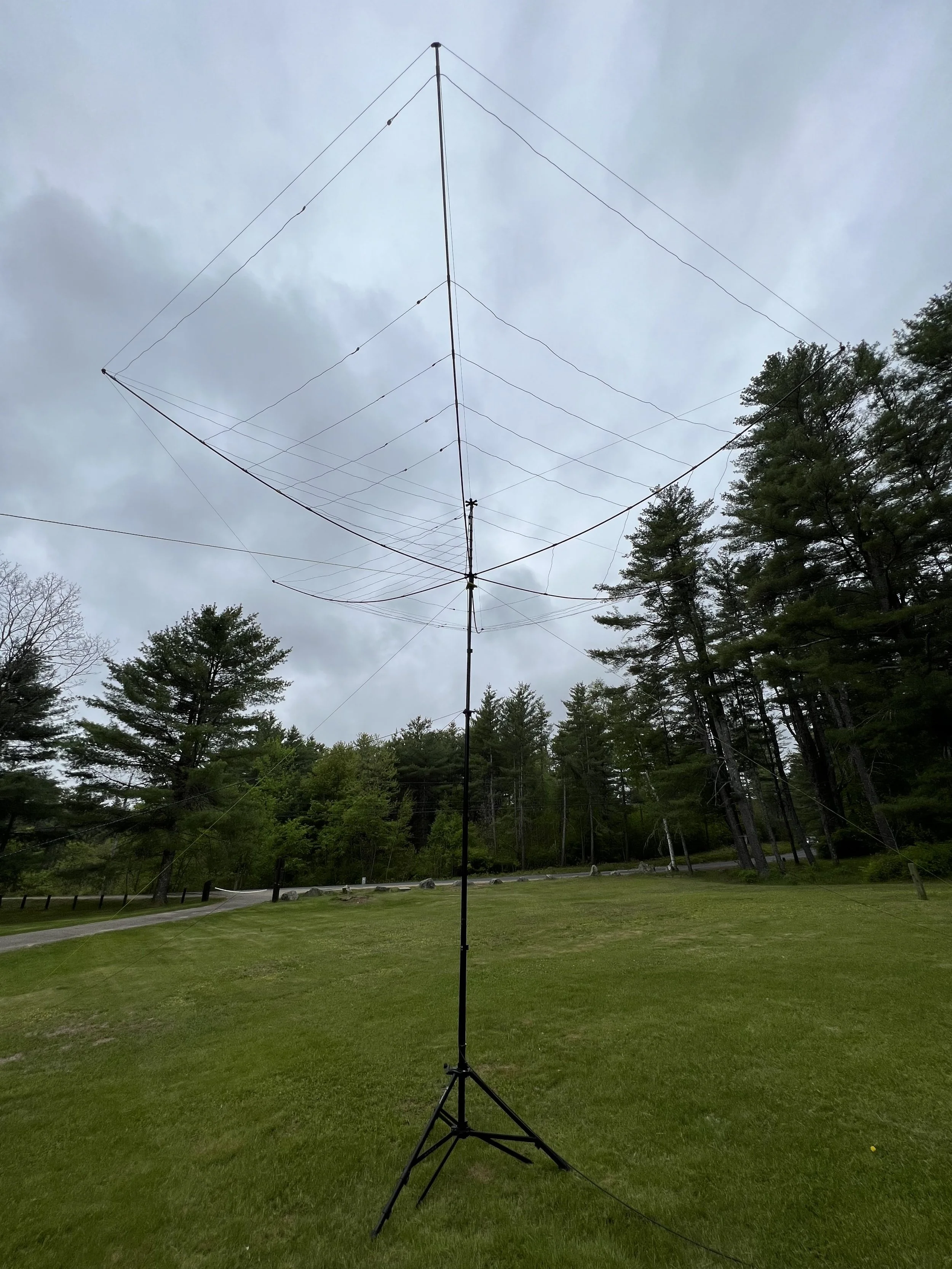
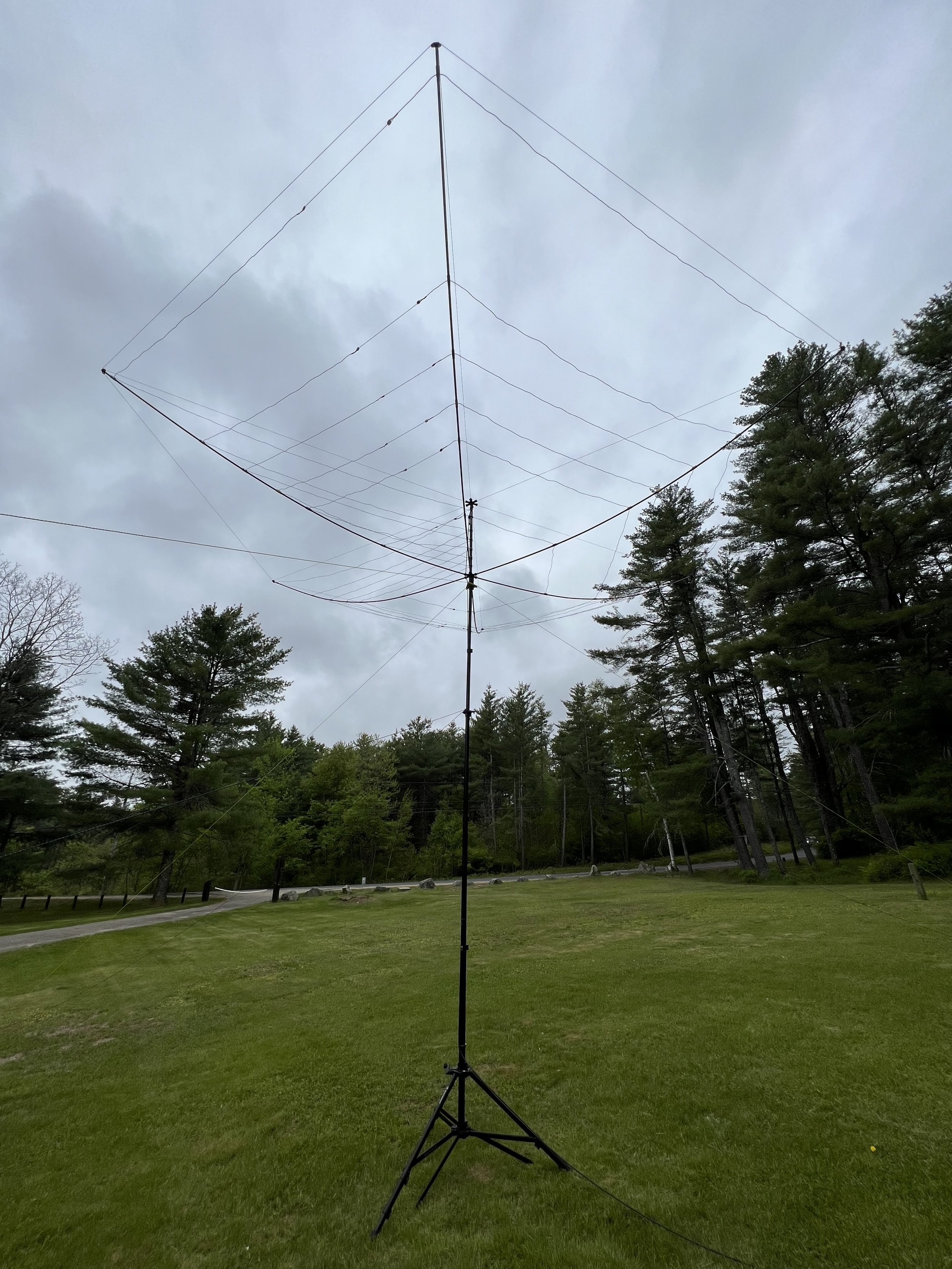
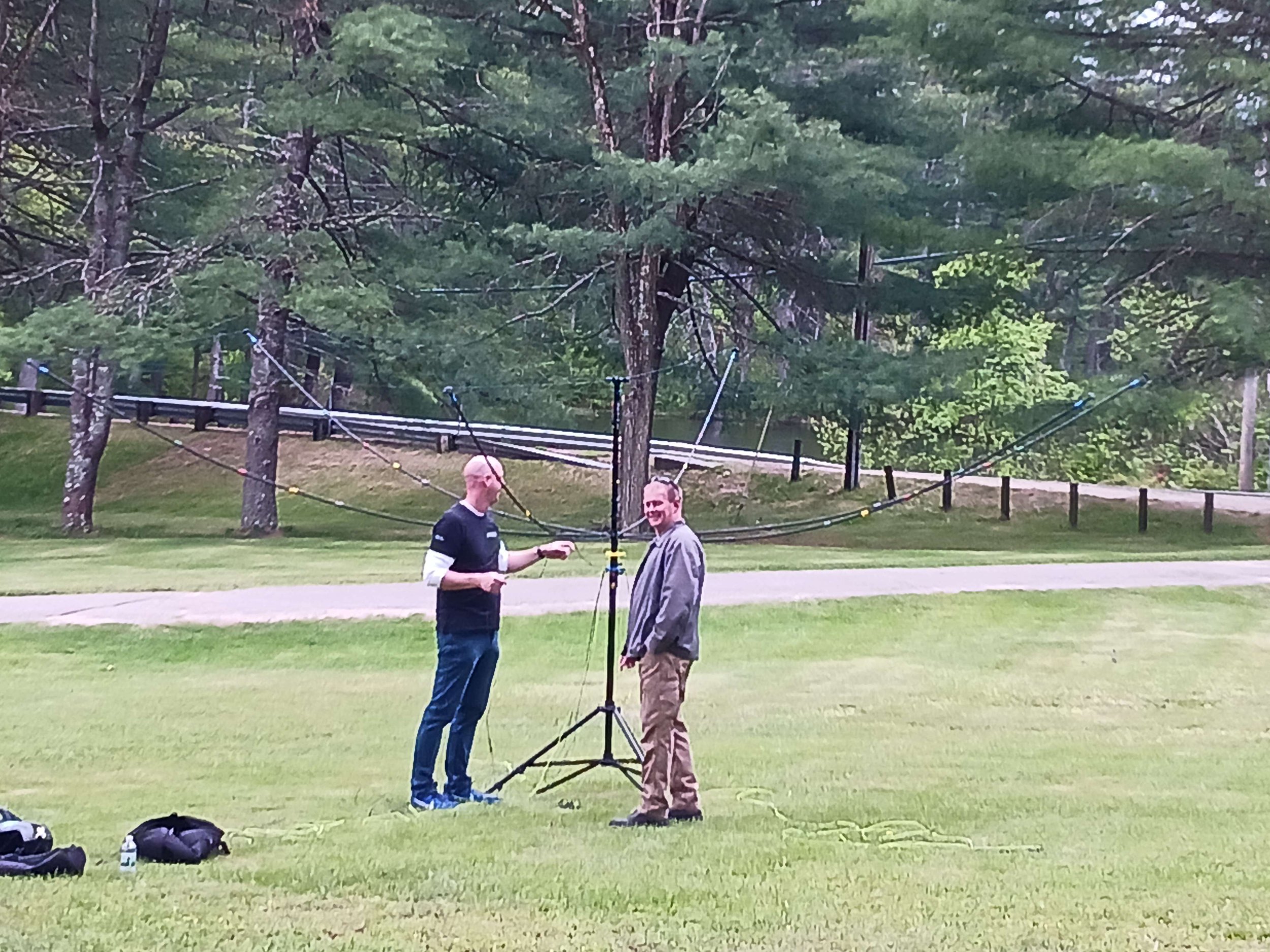
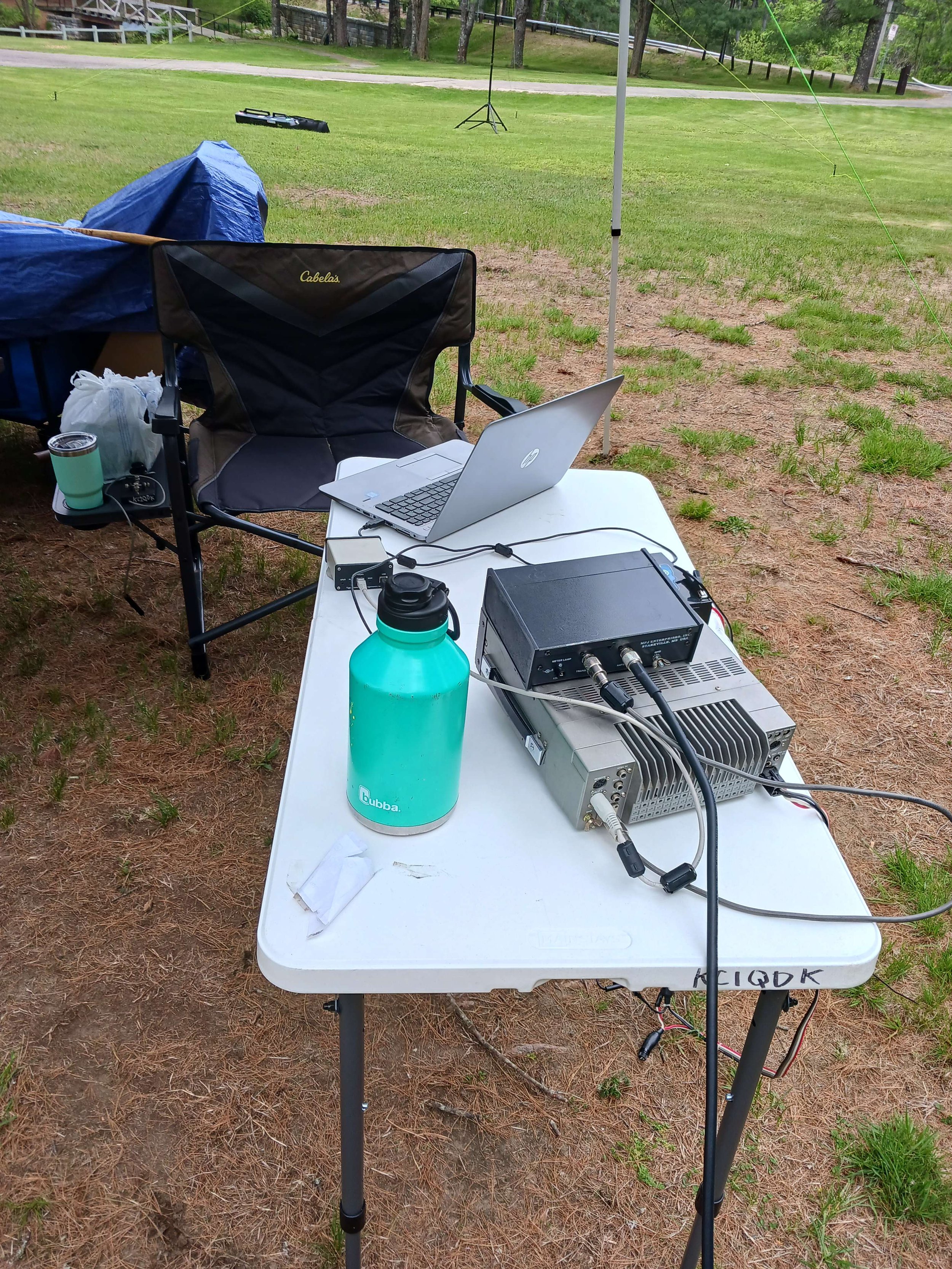
We’ll imagine as the bride/groom a bunch of guys showing up with tents, backpacks, antennas, and gear and begin erecting large wire antennas (picture BuddieHex)
During the wedding event, we made sure to stay off to the side to avoid disrupting any photos or the occasion. As the newlyweds walked by our small set-up of 3 or 4 stations and an easy up, we congratulated them. While putting together the Hex, we overheard some wedding guests jokingly speculate that we might be communicating with aliens or conducting experiments. I chuckled to myself and continued setting up.
After some time, a few guests approached us and asked about our activity. We happily shared information about the Parks on the Air Program, Ham Radio, and where we were from. They were genuinely interested and we invited them to try it out, even though we didn't have any takers. It was still great to share more about the Ham Radio hobby.
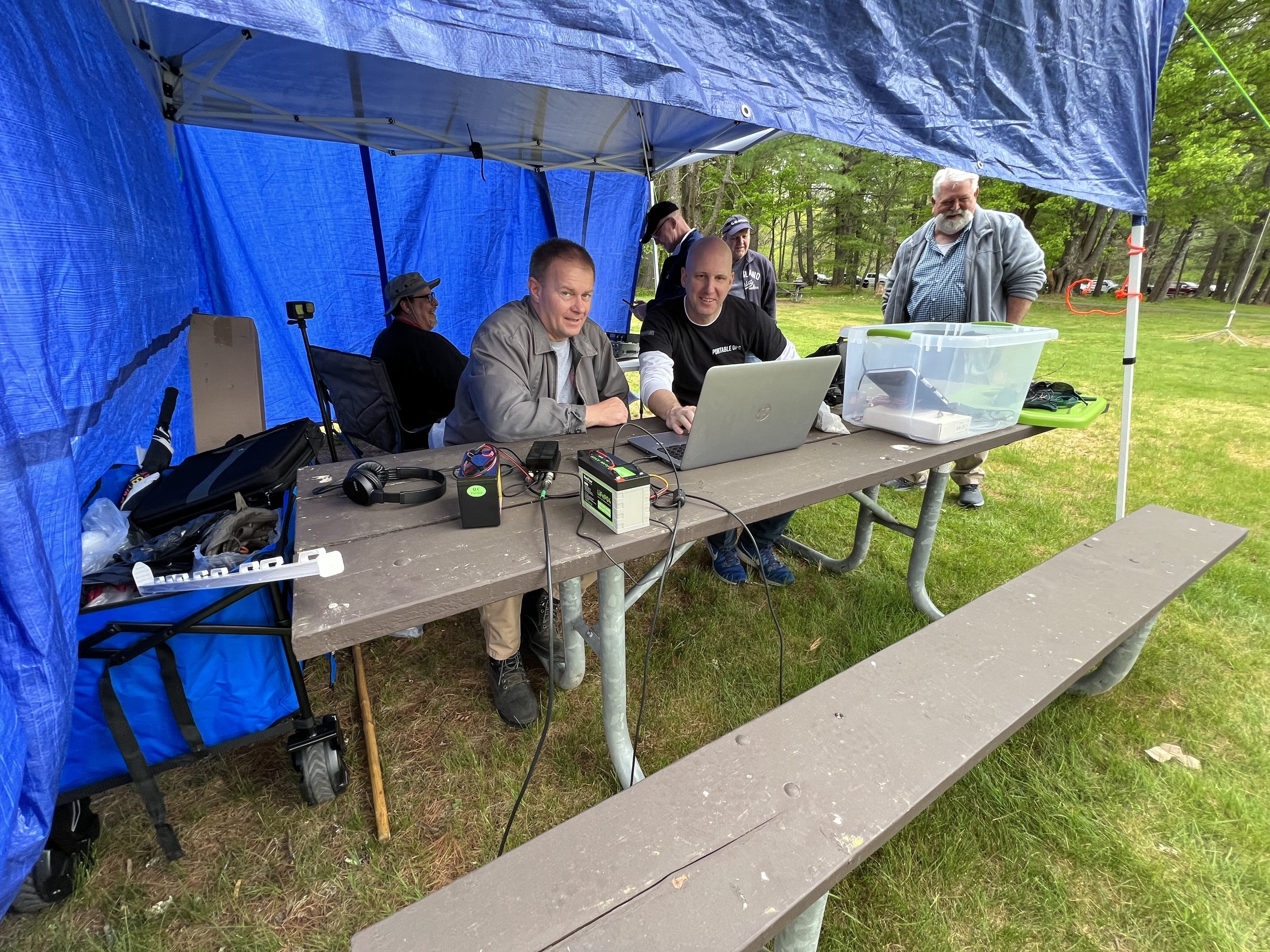
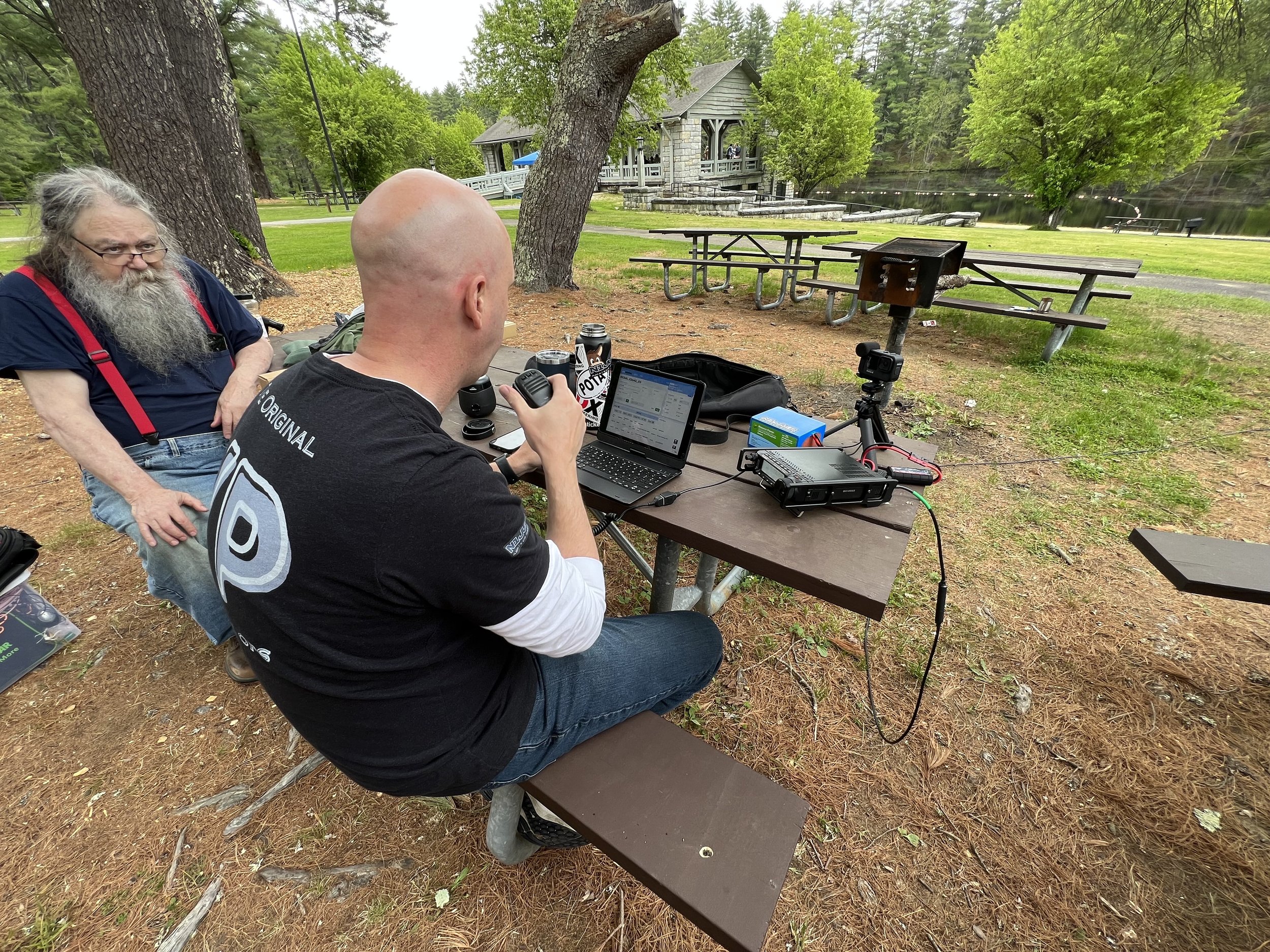
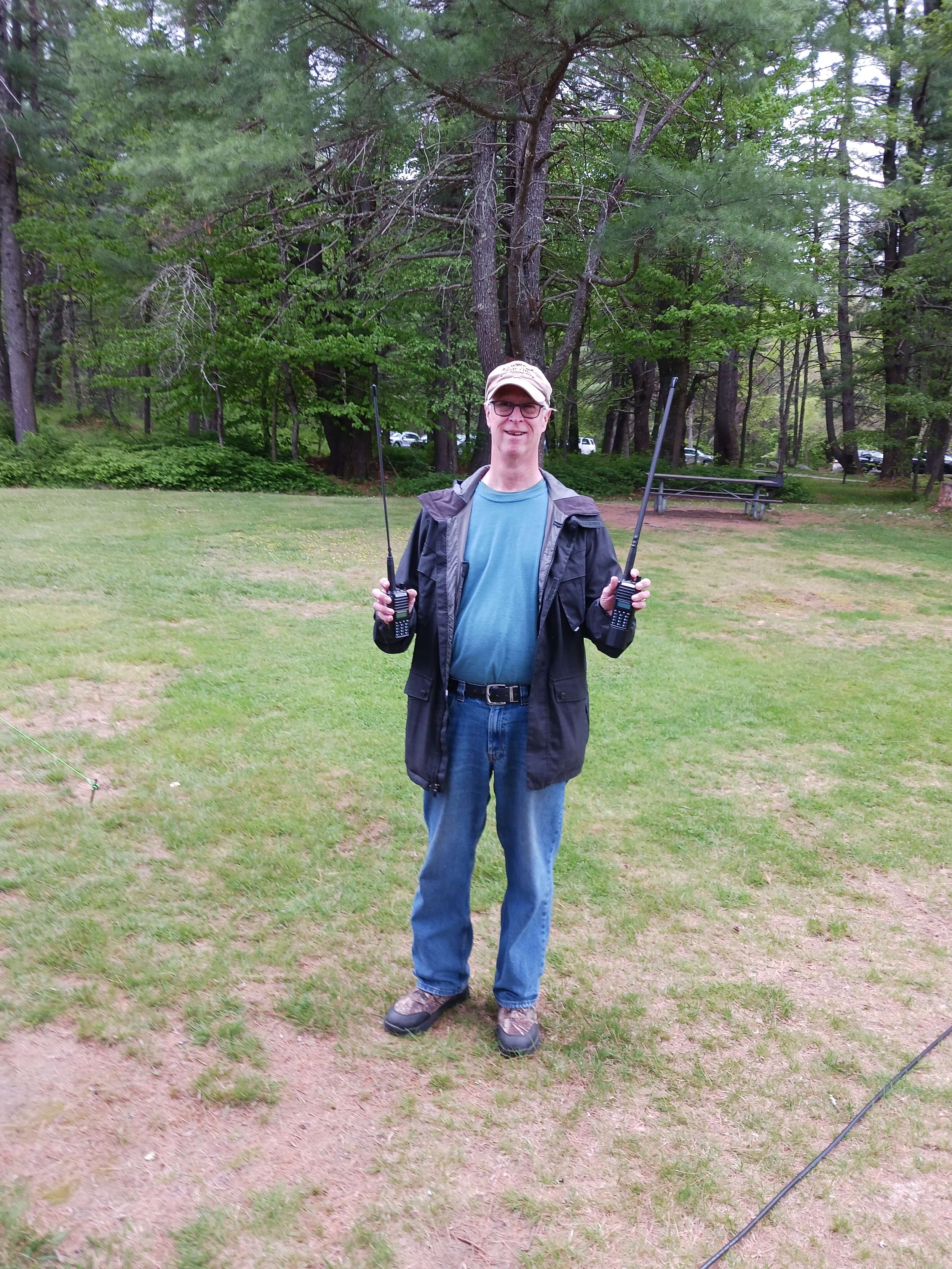
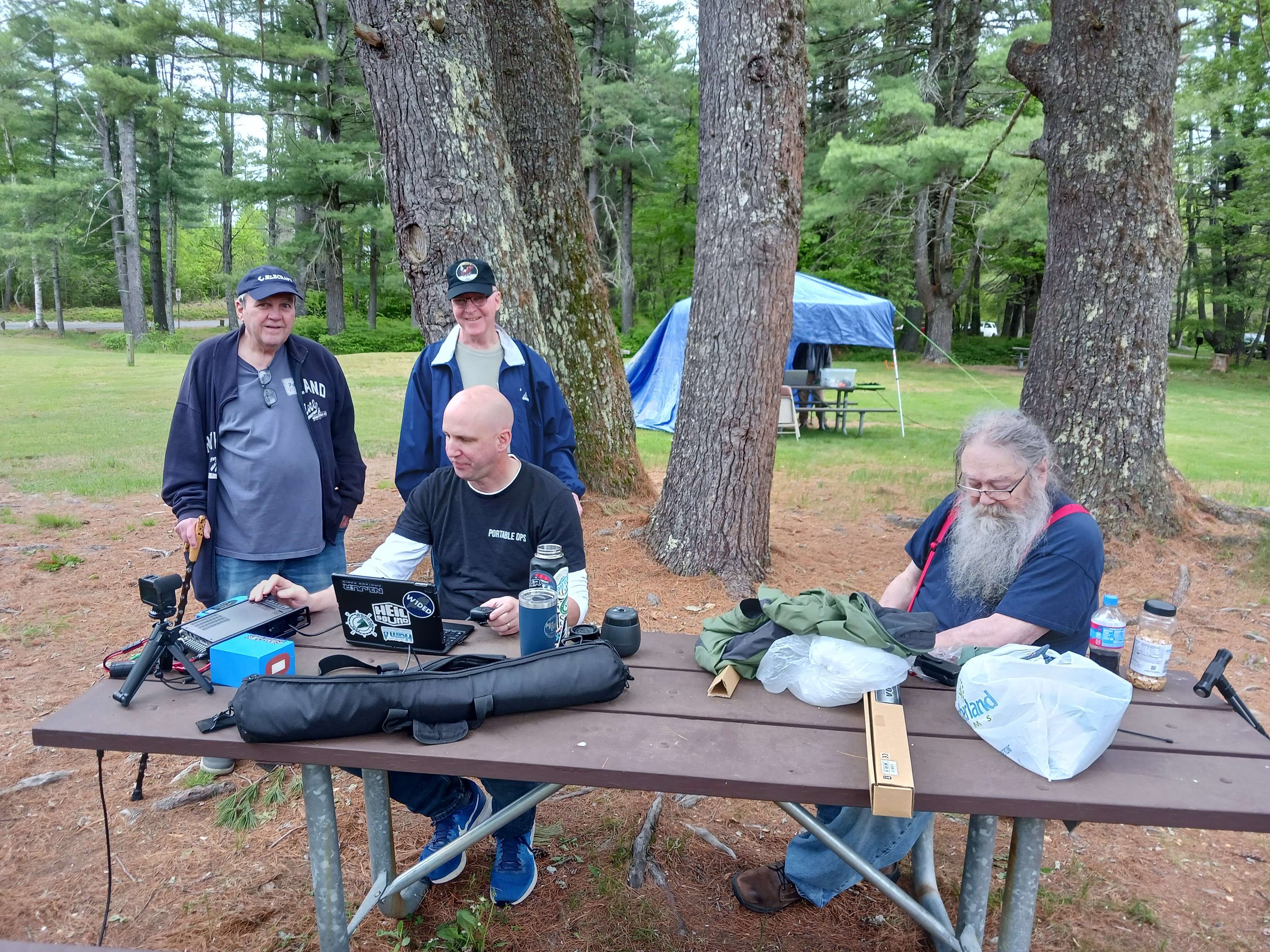
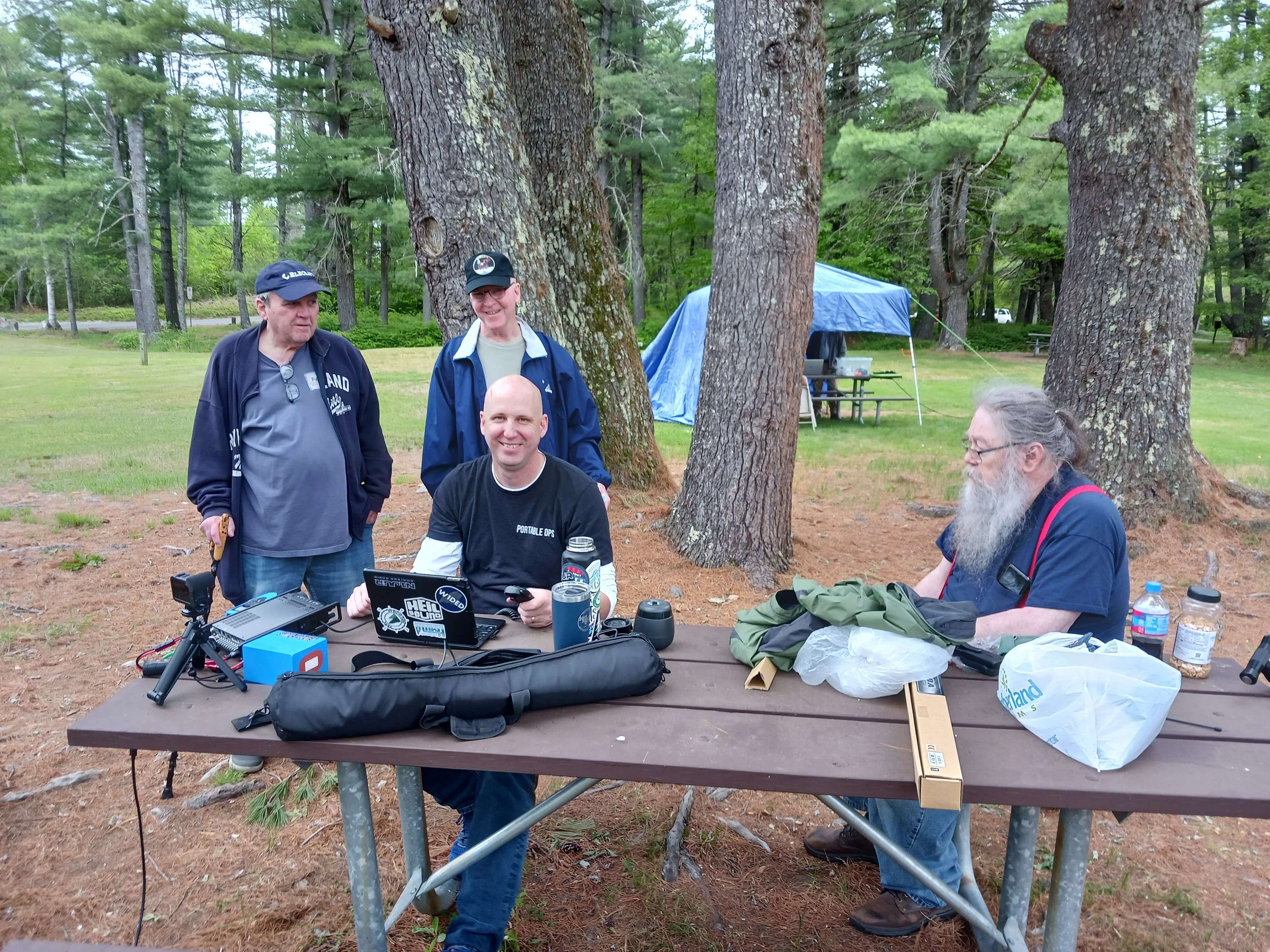
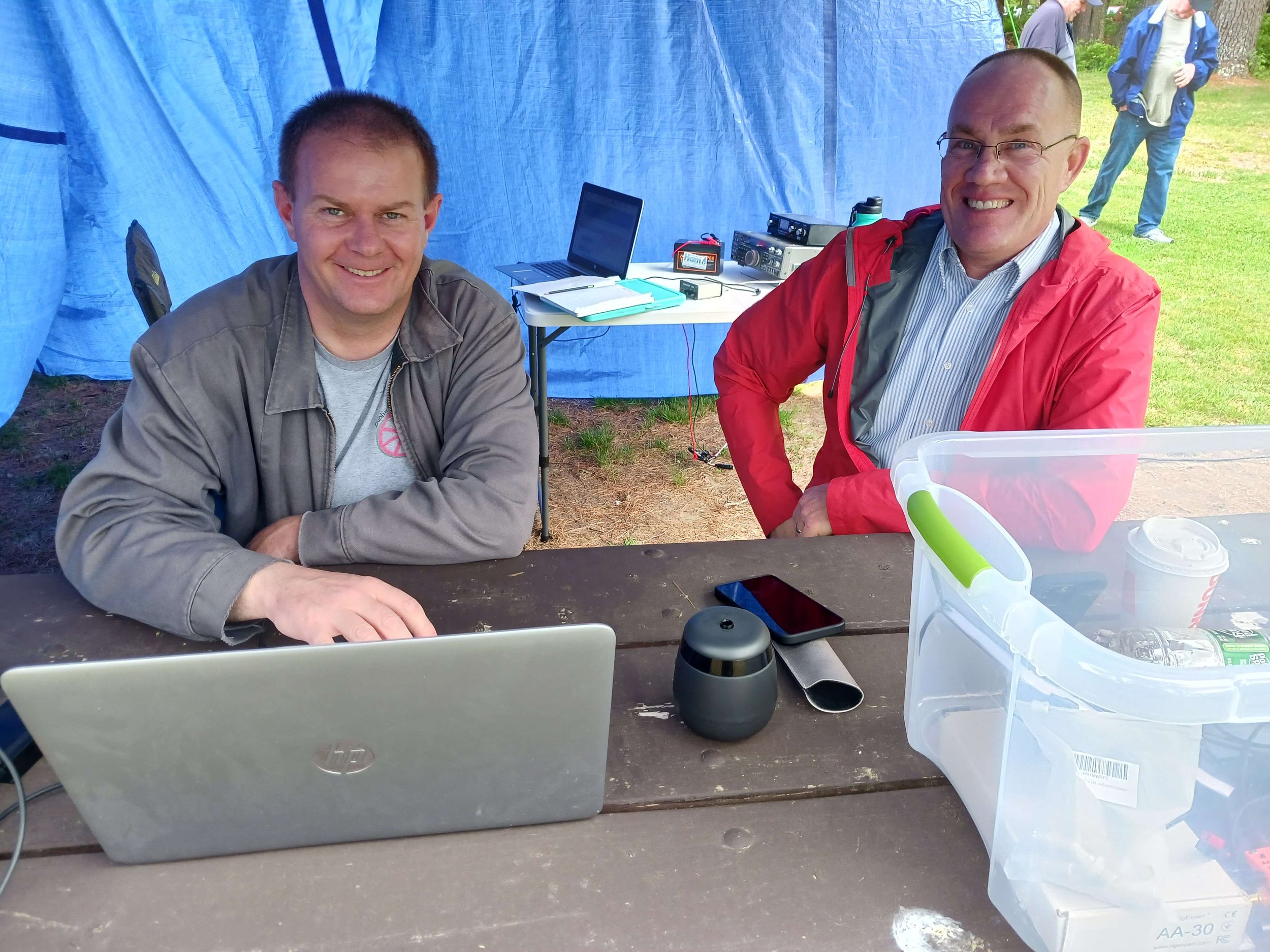
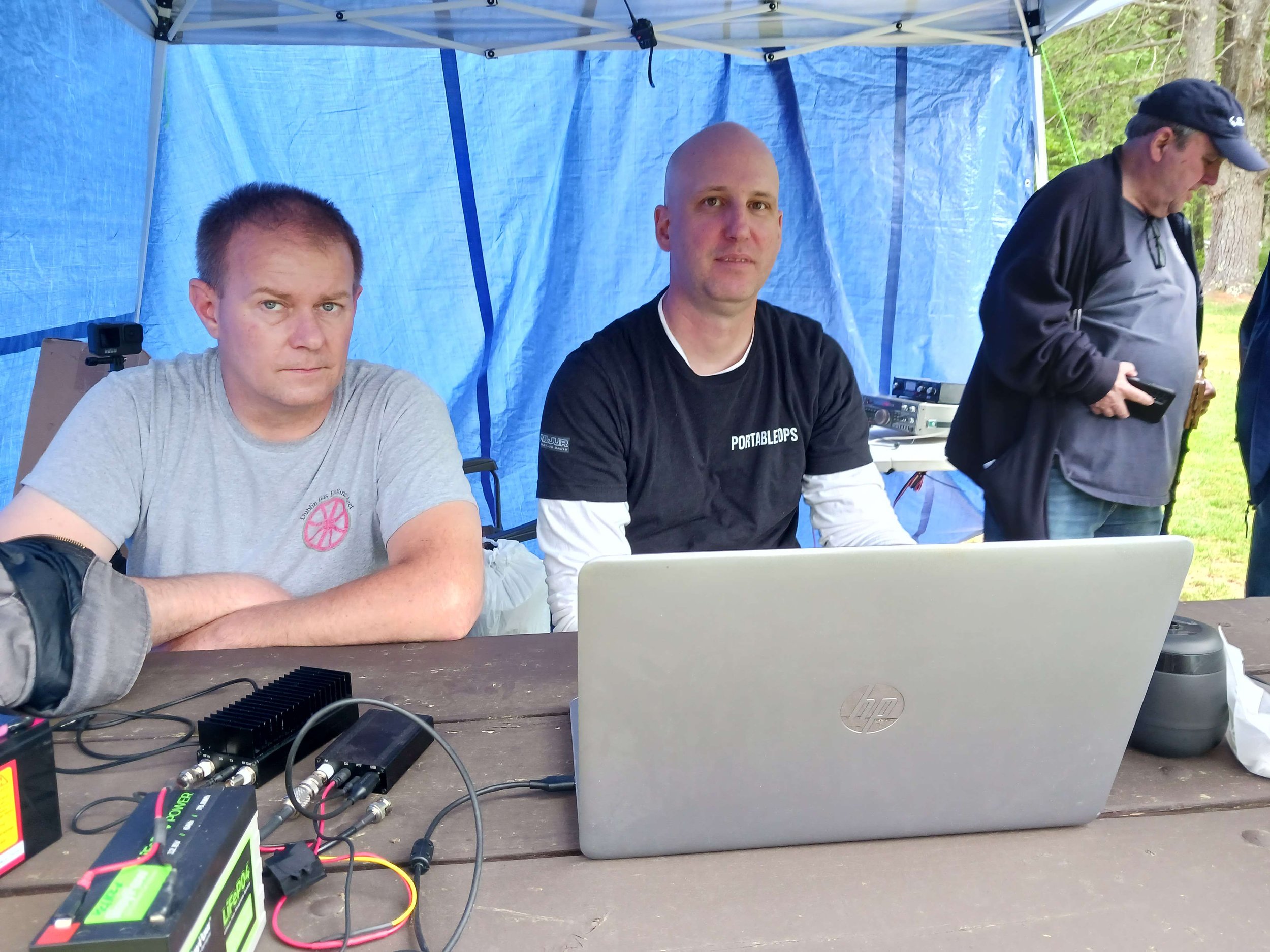
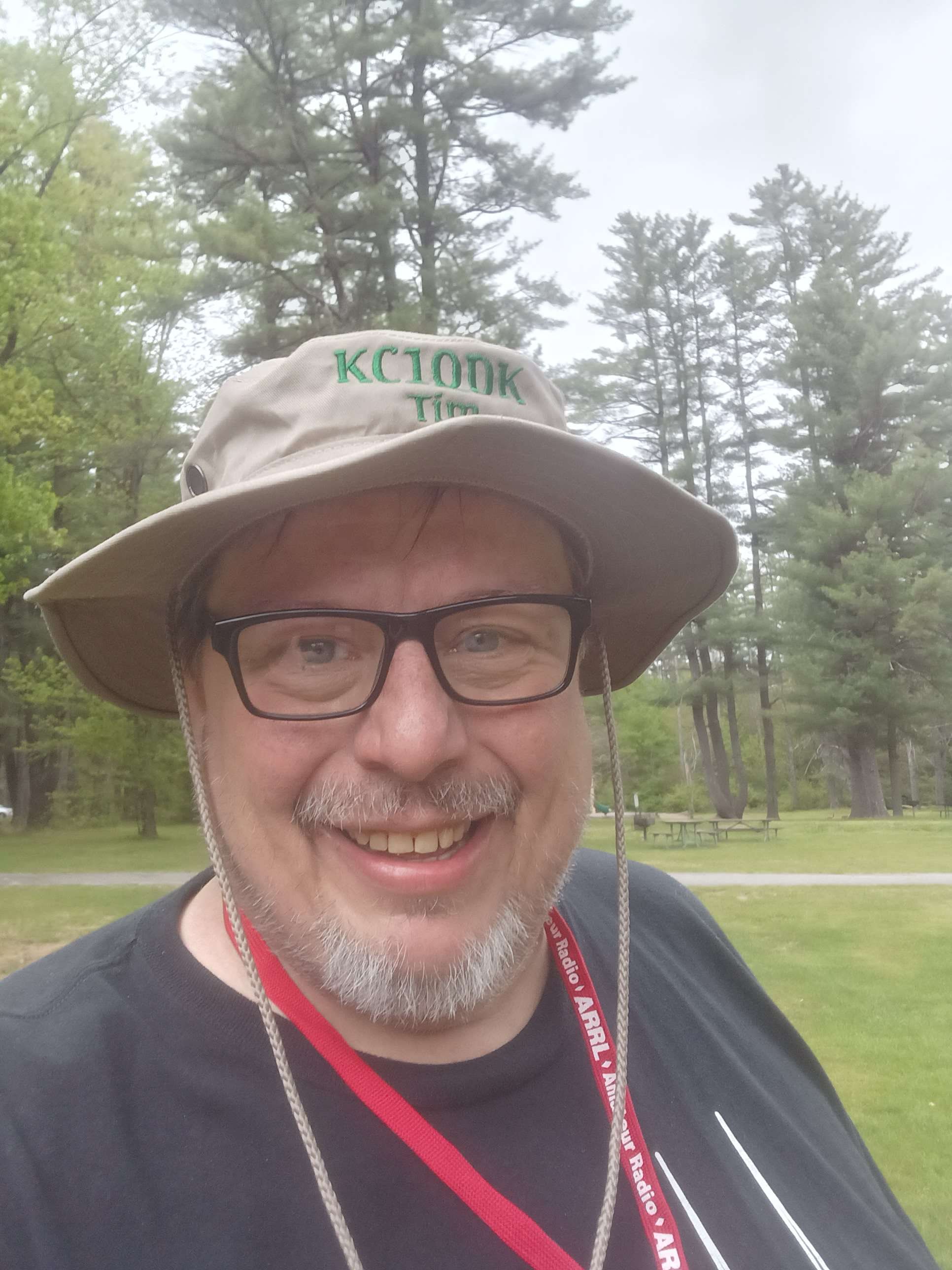
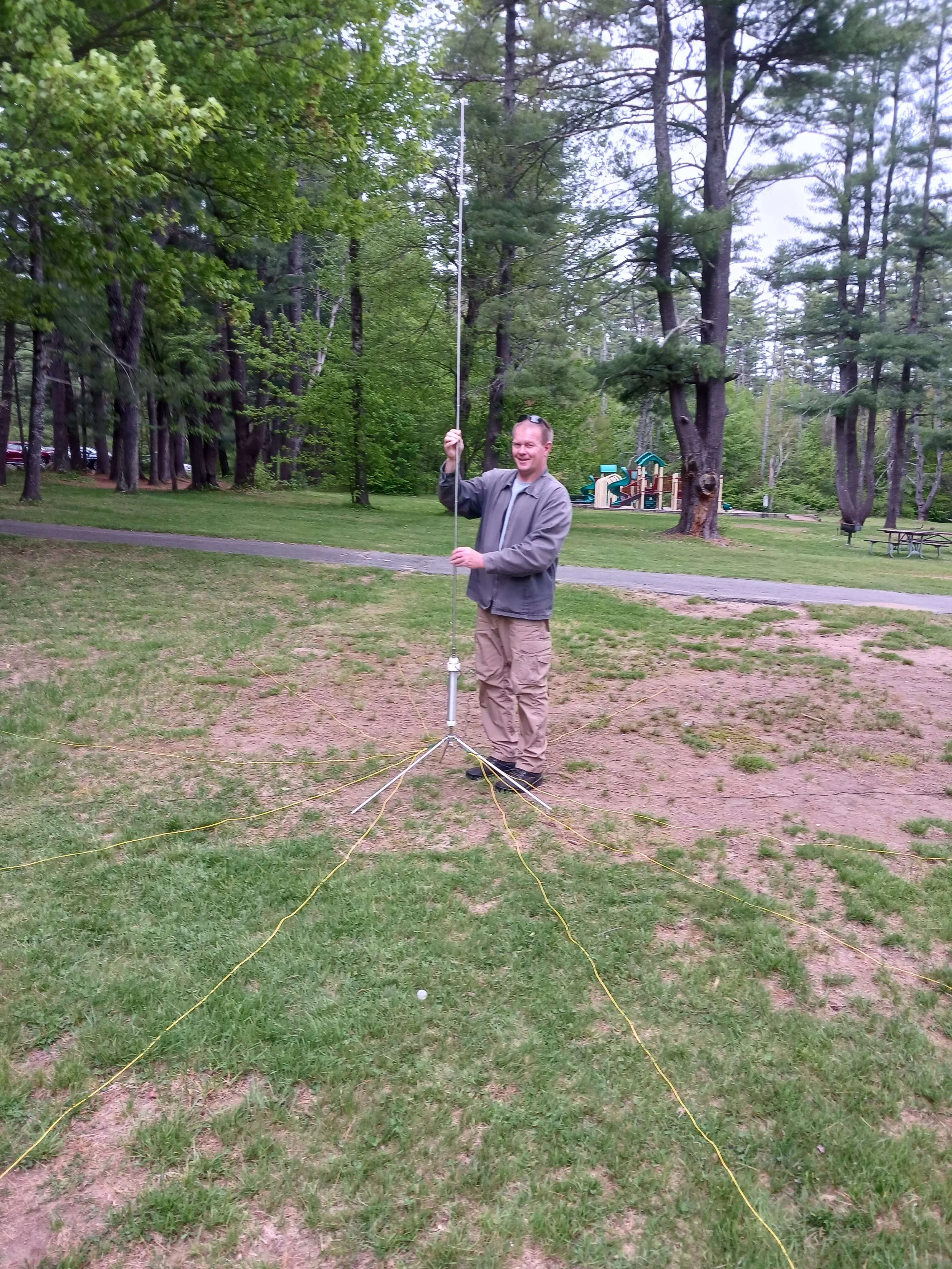
In summary, two of us were able to activate the park with ten contacts on FT8. SSB was challenging for me and I couldn't secure enough to activate the park. Thanks to all that came out to the event (as we had 8 in attendance) and If you're interested in attending a POTA Meetup, check out the POTA website and discord for events in your area. These meetups are an excellent opportunity to learn about portable operations and ask questions. Here are some photos from the event.

Be a POTA Ninja with Ham Alert
Has the Worked All States Award for POTA/ARRL eluded you? Well I hopefully can help with that by offering up a solution that will give you a “leg up” and get that much needed state!
I recently shared a video on YouTube regarding the use of Ham Alert and POTA Parks Page to receive automatic notifications when a park is activated. Due to my busy schedule in the past few months, I have found it difficult to keep up with the spotting page, which has made it challenging to chase down the last three states for "Worked All States" - Alaska, Hawaii, and DC. However, I discovered that Ham Alert now allows trigger filters for "multiple lists" of parks, and I created a tutorial video on how to set this up. Furthermore, I have documented the process in a blog post that may be helpful for those interested in using Ham Alert.
Here are the steps for setting up Ham Alert for State Reference Notifications
What you’ll need:
The list of States you need to complete WAS
A login for POTA.APP and HamAlert.org
Steps:
From the POTA.APP page, go to the Curtain Menu on the left of the site and click Park Lists
From the search box, enter the state you want the park list from and select that reference.
After viewing the list, click on the right-hand side “download” and select CSV.
Once you download the CSV file, open it up in your favorite spreadsheet editor.
You will now select all rows in the first column titled “reference,” as these will be all the active parks for that state. You should copy them into your memory.
Now open up Ham Alert and click the “+” to create a new trigger.
From the trigger window, select the source from the dropdown.
Click the dropdown and select POTA from the list of Sources
Then click out of the box and click the next trigger and select “POTA Reference list.”
Paste all the park references into the box and click outside. It will sort and organize the list with the proper spacing and commas.
Next, you choose the action you want to be notified of. Note: This will generate more alerts than you used to be so prepared if you use SMS or email. I prefer using the App option.
In the comments field, use a clear and concise description, as the report will be in the details of the notification. You’ll use this reference to determine why you got this Ham Alert.
Click save and “rinse, lather, and repeat” with all the other states you need to create triggers for.
Conclusion
This process is a great way to understand how Ham Alert can be the tool to notify you in real-time that a contact is waiting for a QSO.

Attention all Amateur Radio Manufacturers?
Why do you keep building clones of your mobile line? Let’s innovate and make VHF awesome again!
So I’ve been processing this lately what if radio manufacturers actually listened to their customers and adopted a more forward design approach in building new radios?
What if they adopted cell phone manufacturers’ lifecycle process? Now before you start in on “well, the Ham Radio Market is small” and “manufacturers need to make money back on the development cycle,” what if they decided to take a page out of the tech industry playbook and iterate on their hardware?
I mean we are seeing a slow adoption of this model - and I mean slow; where new hardware designs from Yaesu (VHF UHF Mobiles) and Icom (705/905) are coming to market.
But why in today’s technology space can’t they just standardize hardware and make the software features the deciding factor instead of just confusing the consumer and making them decide solely on price?
I feel that if you build a platform that leverages current technology and standards (like below)
WIFI Bluetooth using open/current standards
Dual receivers/transmitters
Touch screen or user-programmable buttons
Same form factor of the radio base and head
Standardize the mics, power, and input/output connectors
Standardize features e.g. APRS, Memories, etc.
You can charge a bit more of a premium as a consumer won’t feel like they are missing out because your software stack can control that price point.
Let me set this example. I’ll leave out the digital side of things for now….
You have Manufacturer X build 2 VHF/UHF mobiles and standardize the body and face configurations. Build in all the standard features, like SD card / Bluetooth / WIFI programming, Make it all mode (SSB, FM, APRS, etc.), and create an OS that is platform standard - like Icom has done for example across all lines.
Then control the digital and software stack. Make that more compatible with 3rd party devices e.g. Bluetooth keyboards, and WIFI syncing, and customers will keep coming back.
With the dawn of SDR software design, this is going to become a requirement. As the next generation of hams are expecting a user experience and be less concerned whether the radio has “x” filtering or is hybrid or het? They aren’t all into the “right to repair” as they have come to grow up where warranties or coverage plans are a fact of life.
What am I getting at?
We’ll the recent launch of Yaesu’s FTM-500 radio has gotten my “knickers in a twist.”
I was hoping in their attempts to build a new “forward-thinking” radio they would have designed something that wasn’t just a different flavor of their existing radio lines and can I say that they need to fire their marketing team as the “launch of this radio” fell into the category of “borderline vaporware?” Why launch a radio and not get it type accepted in the US before they release it in Japanese markets? Then have your marketing manager play damage control on the rumors?
Their “Big Head” design is targeting what market? Blind or deaf users? As I currently own an FTM 300 and I feel I can easily manage button presses while driving I don’t see any gains to a LARGE knob on the radio. Unless they were thinking “all mode”.
Sidebar…
Can you imagine if this radio came out as a VHF/UHF mobile with SSB/FM/CW/RTTY running 50 watts they would steal a huge market back? As the Icom 9700 is over 1800 street price and is more of a base station radio. Think of being an innovator Yaesu.
Bringing this home…
I am still waiting for Yaesu’s full feature review of this - as the one posted on their official channel made me feel like I was watching a review of the rebranded 400.
I feel that they could have brought a radio to market that was innovative and met an area that was a gap in the hobby but in reality, it’s just a radio that will confuse the market more.