
Field Notes from N1JUR
Real-world ham radio tips, portable operating lessons, gear thoughts, and activation stories from the field to the shack.
What You’ll Find Here
This blog is where I go deeper than a YouTube description. You’ll find practical ham radio guides, activation lessons, gear breakdowns, and field notes from real operating experiences.
Some posts are beginner-friendly. Some get a little more technical. And some are just honest lessons from the field — because not every activation goes perfectly, and that’s usually where the good stuff happens.
Portable operating tips
POTA, SOTA, and location-based activation ideas
Gear and antenna experiments
Beginner-friendly ham radio guides
Field stories and lessons learned

Enhancing the Ham Radio Hobby with Artificial Intelligence: A Winning Combination
Artificial intelligence, with its ability to analyze vast amounts of data, learn from patterns, and make decisions without explicit programming, can bring a new level of sophistication to ham radio operations. Here are some ways in which AI and ham radio can work together to make the hobby better:
Amateur radio, affectionately known as ham radio, has a storied past. Enthusiasts have long relished the thrill of communicating with fellow operators worldwide, a tradition that continues to captivate a dedicated community. This hobby, steeped in history and cherished for its art of communication and technical aspects of radio technology, is now on the cusp of a new era. The integration of artificial intelligence (AI) into the ham radio world is poised to unlock a realm of exciting possibilities, potentially elevating the hobby in ways we've yet to imagine.
Artificial intelligence, with its remarkable ability to process vast amounts of data, learn from patterns, and make decisions without explicit programming, is set to revolutionize ham radio operations. Imagine a future where AI and ham radio collaborate, enhancing the hobby in ways that were once unimaginable. Here are just a few of the exciting possibilities:
Automatic Signal Processing
AI algorithms can automatically process and analyze radio signals, helping operators identify and tune in to specific frequencies more efficiently. This can be particularly useful in crowded band conditions or during contests when operators need to sift through numerous signals quickly.
Enhanced Propagation Prediction
Can be used to improve the accuracy of propagation prediction models, helping operators anticipate the best times and frequencies for long-distance communication. By analyzing historical data and real-time conditions, AI can provide more reliable forecasts, enabling operators to make better-informed decisions.
Voice Recognition and Text-to-Speech
AI-powered voice recognition technology can be integrated into ham radio transceivers, allowing operators to control their equipment using voice commands. Text-to-speech technology can also be used to convert text messages into voice transmissions, making communication more accessible for operators with visual impairments.
Automated Logbook and QSO Management
AI can streamline the logging process by automatically recording details of each communication (QSO) and organizing them in a digital logbook. By analyzing patterns in communication data, AI can also provide insights into operators' performance and suggest improvements.
Noise Reduction and Interference Mitigation
AI algorithms can help reduce background noise and interference in radio signals, improving the clarity of communications. By filtering out unwanted noise, operators can enjoy a more seamless and enjoyable experience on the airwaves.
DX Cluster and Contest Assistance
AI can analyze DX cluster data and provide recommendations on which stations to contact for rare or sought-after locations. During contests, AI can assist operators in optimizing their strategies and maximizing their score.
By harnessing the power of artificial intelligence, ham radio enthusiasts can take their hobby to new heights, benefiting from improved efficiency, enhanced capabilities, and a more immersive experience overall. As technology continues to advance, the synergy between AI and ham radio is likely to yield even more innovations and opportunities for exploration in the future.
With the integration of artificial intelligence into the world of ham radio represents a promising fusion of tradition and innovation. By embracing AI technologies, ham radio operators can enrich their hobby, expand their horizons, and continue to push the boundaries of communication in the digital age. With AI as a partner, the future of ham radio looks brighter than ever.

Wire vs. Vertical Antennas in a Portable Scenario: Pros and Cons
Ultimately, both wire antennas and vertical antennas can be effective tools for portable amateur radio operations, each offering unique strengths and trade-offs that operators can leverage to maximize their communication capabilities in the field. By understanding the pros and cons of each antenna type, operators can make informed decisions to optimize their portable radio setups and enhance their overall operating experience.
When it comes to setting up an amateur radio station in a portable scenario, such as during field operations, emergency communications, or outdoor activities, the choice of antenna plays a crucial role in determining the effectiveness and reliability of communication. Two popular options for portable antennas are wire antennas and vertical antennas, each with its own set of advantages and limitations. In this blog post, we will explore the pros and cons of wire antennas versus vertical antennas in a portable setting to help operators make informed decisions based on their specific needs and operating conditions.
Wire Antennas
Pros:
1. Versatility: Wire antennas are highly versatile and can be configured in various shapes and lengths to suit different frequency ranges and propagation conditions. They can be deployed as dipoles, end-fed wires, loops, or long wire antennas, offering flexibility in adapting to different environments.
2. Stealthy Operation: Wire antennas are often less conspicuous and easier to camouflage compared to vertical antennas, making them suitable for portable operations where maintaining a low profile is important.
3. Low Noise: Wire antennas tend to pick up less electrical noise compared to vertical antennas, especially in urban or noisy environments, resulting in improved signal clarity and reception quality.
Cons:
1. Space Requirement: Some wire antennas, such as full-size dipoles or long wire antennas, may require more horizontal space for installation compared to vertical antennas, which could be a limitation in compact or crowded portable setups.
2. Height Limitations: Wire antennas typically need to be elevated to achieve optimal performance, which may be challenging in some portable scenarios where suitable supports or trees for hanging the antenna are not readily available.
3. Directionality: Depending on the configuration, wire antennas may exhibit directional characteristics, which could limit their coverage area and require operators to adjust the antenna orientation for optimal signal transmission.
Vertical Antennas
Pros:
1. Omni-Directional Radiation: Vertical antennas radiate and receive signals in a more uniform pattern compared to wire antennas, making them suitable for applications where coverage in all directions is desired.
2. Compact Design: Vertical antennas are generally more compact and easier to set up in portable scenarios where space is limited or where quick deployment is required.
3. Ground Independence: Vertical antennas are less dependent on ground conditions compared to wire antennas, making them suitable for operations in areas with poor soil conductivity.
Cons:
1. Electrical Noise: Vertical antennas are more susceptible to picking up electrical noise from nearby sources, such as power lines or electronic devices, which can degrade signal quality and increase interference.
2. Height Sensitivity: The performance of vertical antennas is influenced by their height above ground, with taller antennas generally providing better efficiency and lower takeoff angle for long-distance communication.
3. Tuning Complexity: Some vertical antennas require tuning adjustments, such as using a matching network or antenna tuner, to achieve resonance and optimal performance across the desired frequency range, adding complexity to the setup process.
In a portable scenario, the choice between wire antennas and vertical antennas depends on a variety of factors, including operating frequency, space availability, terrain conditions, and desired coverage pattern. While wire antennas offer versatility and low noise characteristics, vertical antennas provide omni-directional radiation and compact design advantages. Operators should carefully consider their specific requirements and constraints to select the antenna type that best suits their portable operating needs.
Ultimately, both wire antennas and vertical antennas can be effective tools for portable amateur radio operations, each offering unique strengths and trade-offs that operators can leverage to maximize their communication capabilities in the field. By understanding the pros and cons of each antenna type, operators can make informed decisions to optimize their portable radio setups and enhance their overall operating experience.

Celebrating World Amateur Radio Day: How You Can Amplify the Airwaves
World Amateur Radio Day isn't just about celebrating a hobby; it's about recognizing a global community that dedicates itself to the art of communication and service. By spreading the word about ham radio, you're not only contributing to the growth of this enriching pursuit but also highlighting its enduring value in our connected world. So, grab your mic, key, or digital interface, and let's amplify the airwaves together on this World Amateur Radio Day!
April 18th marks a special day in the calendars of global communication enthusiasts - World Amateur Radio Day. Today, we commemorate the founding of the International Amateur Radio Union (IARU) in 1925, an organization that has tirelessly worked to keep the airwaves open for everyone. Amateur radio, affectionately known as "ham radio," connects people across cities, countries, and continents without needing the internet or mobile networks. It's a hobby that binds a community of over three million licensed operators ready to explore, communicate, and provide emergency support when needed.
In a world increasingly dominated by digital communication, World Amateur Radio Day is an opportunity to spread the word about this engaging hobby and its importance to society. Here's how to get involved and help promote ham radio in your community.
Host a Ham Radio Introduction Workshop
Consider organizing a workshop in your local community center, library, or school to introduce others to amateur radio. Demonstrate how to set up a basic ham radio station, explain the various communication modes (like Morse code and digital modes), and showcase the exciting possibility of making international friends through the airwaves.
Participate in 'Get On The Air' Events
Many amateur radio clubs host 'Get On The Air' (GOTA) events on World Amateur Radio Day to encourage the unlicensed public to experience the joy of ham radio firsthand. Volunteer at these events or even organize one yourself. Offering a chance for people to make their first contact can ignite a lifelong passion.
Share Your Ham Radio Stories on Social Media
Use the power of social media to share your experiences with ham radio. Post photos, videos, and stories of how you got started, your most memorable contacts, or how you've contributed to emergency communication efforts. Use hashtags like #WorldAmateurRadioDay and #HamRadio to connect with a broader audience.
Engage with Local Media
Write a press release or an opinion piece for your local newspaper or community magazine. Reach out to local radio stations or TV channels to cover the event. The human interest angle – such as how amateur radio operators have provided aid during disasters – can be very compelling.
Offer a Demonstration at Schools
Spark the interest of the younger generation by demonstrating the science and fun of ham radio at schools. You can discuss how amateur radio can be a gateway to careers in science, technology, engineering, and mathematics (STEM) fields.
Advocate for Ham Radio's Role in Emergency Communications
Raise awareness about the crucial role that amateur radio plays in disaster management and emergency communications. Organize simulations or real-time demonstrations to show how ham radio operators can be the lifeline in times of crisis.
Launch a 'Contact-a-Thon'
Challenge yourself and fellow hams to make as many contacts as possible throughout the day. This can be a fun contest to see who can reach the most countries or connect with the most unique call signs.
World Amateur Radio Day isn't just about celebrating a hobby; it's about recognizing a global community that dedicates itself to the art of communication and service. By spreading the word about ham radio, you're not only contributing to the growth of this enriching pursuit but also highlighting its enduring value in our connected world. So, grab your mic, key, or digital interface, and let's amplify the airwaves together on this World Amateur Radio Day!
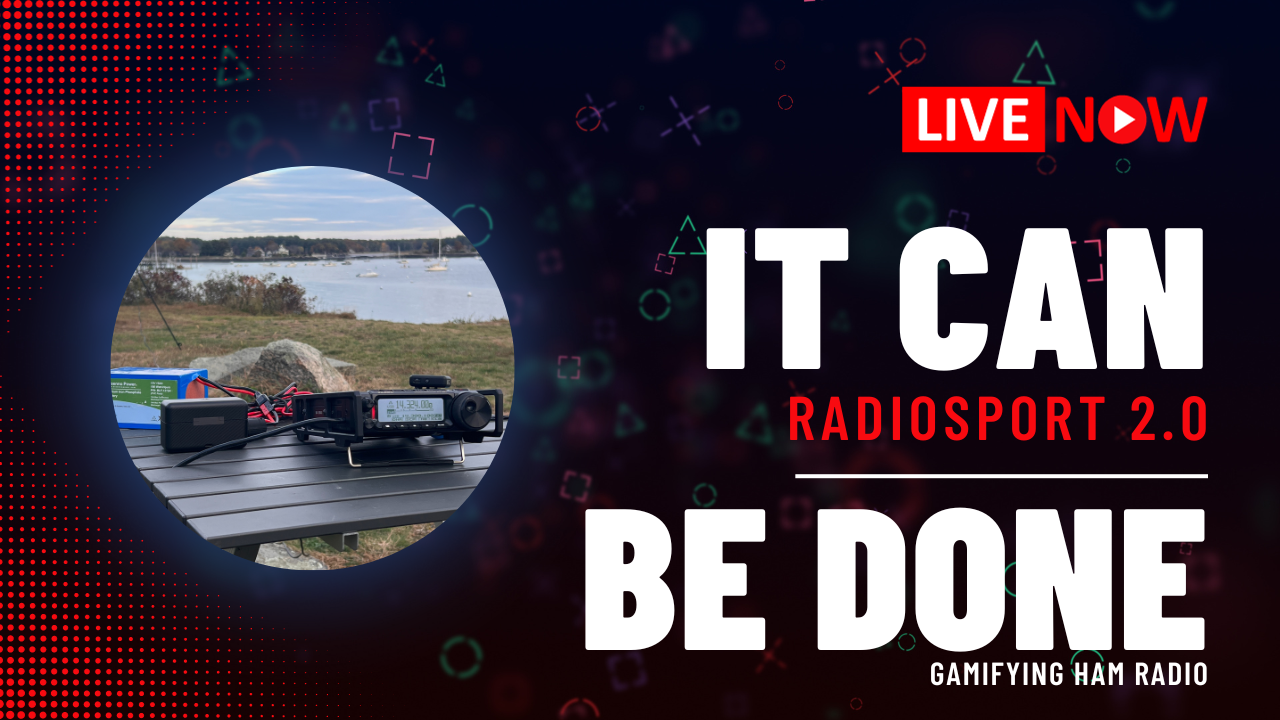
Gamifying the Ham Radio Experience: Adding Fun and Engagement to Amateur Radio
Gamification involves applying game-design elements and principles to non-game contexts to make activities more engaging and rewarding. In the context of ham radio, gamification can take many forms, from structured contests and challenges to virtual achievements and leader boards. By introducing elements such as points, levels, badges, and rewards, operators can add a competitive edge to their radio communications and create a sense of accomplishment and progression.
Amateur radio has long been a beloved hobby for individuals who enjoy communication, technology, and connecting with others worldwide. While the traditional aspects of ham radio offer their rewards, an emerging trend seeks to infuse the hobby with an extra layer of excitement and engagement through gamification. By incorporating game design and competition elements into ham radio activities, enthusiasts are finding new ways to challenge themselves, set goals, and enhance their overall experience.
The Power of Gamification in Ham Radio
Gamification involves applying game-design elements and principles to non-game contexts to make activities more engaging and rewarding. In the context of ham radio, gamification can take many forms, from structured contests and challenges to virtual achievements and leader boards. By introducing elements such as points, levels, badges, and rewards, operators can add a competitive edge to their radio communications and create a sense of accomplishment and progression.
Benefits of Gamifying Ham Radio
1. **Increased Engagement**: Gamification can motivate operators to participate more actively in ham radio activities by providing clear goals, feedback, and incentives for improvement.
2. **Skill Development**: By setting challenges and objectives, gamification can encourage operators to enhance their technical skills, explore new aspects of the hobby, and continuously strive for improvement.
3. **Community Building**: Gamification can foster a sense of community among operators by creating opportunities for friendly competition, collaboration, and shared experiences.
4. **Enhanced Learning**: Gamified activities can provide an interactive and dynamic learning environment where operators can acquire new knowledge, practice their skills, and experiment with different communication techniques.
Examples of Gamification in Ham Radio
1. Contests and Events: Ham radio contests are a popular form of gamification where operators compete to make as many contacts as possible within a specific time frame or under certain conditions. Contests often have specific rules, scoring systems, and categories, adding a competitive element to radio operations.
2. Awards and Certificates: Many amateur radio organizations offer awards and certificates for achieving specific milestones, such as contacting operators in different countries, regions, or continents. These achievements can serve as tangible markers of progress and expertise.
3. DXCC and Grid Chase: Programs like the DX Century Club (DXCC) and Grid Chase challenge operators to make contacts with stations in a certain number of countries or grid squares, respectively. These programs encourage operators to expand their reach and explore new radio propagation paths.
4. Fox Hunting: Fox hunting, also known as transmitter hunting, is a fun and competitive activity where operators use direction-finding techniques to locate hidden transmitters within a designated area. This game-like pursuit tests operators' navigation skills and equipment proficiency.
Embracing the Gamified Ham Radio Experience
By embracing gamification in ham radio, enthusiasts can inject a sense of playfulness, competition, and achievement into their hobby, making it more dynamic and rewarding for participants of all skill levels. Whether engaging in contests, pursuing awards, or exploring innovative game formats, operators can find new avenues for personal growth, social interaction, and technical exploration within the vibrant world of amateur radio.
As technology evolves and new opportunities for gamification emerge, the future of ham radio promises to be even more engaging and exciting for operators around the globe. By blending the time-honored traditions of radio communication with the innovative spirit of gamification, ham radio enthusiasts can continue to push the boundaries of what is possible in this dynamic and ever-evolving hobby.
I would recommend also checking out these videos from W1DED on Gamifying Contesting”.
If you would like to be part of the conversation there are some great conversations also happening over at Groups.io (Radiosport2.0) and discord (https://discord.gg/6nTzBVjgdr)

Connecting Communities: How Your Ham Radio Club Can Educate the Public on Amateur Radio
As a ham radio club member, you can positively impact your community by educating the public about the exciting world of amateur radio. By hosting public demonstrations, offering licensing classes, organizing field days, collaborating with schools and youth groups, and utilizing social media and online platforms, your club can reach a wider audience and inspire others to discover the joys of ham radio. Together, let's continue to connect communities and share our passion for amateur radio with the world.
Ham radio, also known as amateur radio, is a fascinating hobby that allows individuals to communicate worldwide using radio frequencies. However, many people are unfamiliar with this hobby and its potential benefits. As a ham radio club member, you have a unique opportunity to educate the public and raise awareness about the world of amateur radio. This blog post will explore creative ways for your ham radio club to get out in the community and share your passion for ham radio with others.
Host Public Demonstrations:
One of the most effective ways to educate the public about ham radio is to host public demonstrations or events. Consider setting up a booth at a local community fair, festival, or farmers' market where you can showcase different aspects of ham radio. You can demonstrate how to operate a ham radio, explain the basics of radio communication, and even allow visitors to try to send a message.
Offer Licensing Classes:
Another great way to engage with the community and promote ham radio is to offer licensing classes for those interested in becoming amateur radio operators. By providing training and resources to help individuals obtain their ham radio license, you can empower more people to join the hobby and expand the reach of amateur radio in your community.
Organize Field Days:
Field days are popular events in the ham radio community where operators set up temporary stations in outdoor locations to practice their emergency communication skills. Organizing a field day in a public park or other outdoor space can be a great way to showcase the capabilities of ham radio and engage with the community. Invite the public to observe the event, ask questions, and even participate in some hands-on activities.
Collaborate with Schools and Youth Groups:
Partnering with local schools, youth groups, or scouting organizations can be a fantastic way to introduce young people to the world of ham radio. Consider offering presentations or workshops at schools, hosting a radio merit badge event for scouts, or organizing a youth-focused ham radio contest. By engaging with young audiences, you can inspire the next generation of amateur radio operators and ensure the hobby’s longevity.
Utilize Social Media and Online Platforms:
In addition to in-person events, don't underestimate the power of social media and online platforms to educate the public about ham radio. Create a website or social media account for your ham radio club to share information, resources, and updates about upcoming events. Consider creating educational videos, blog posts, or podcasts to reach a wider audience and raise awareness about the benefits of ham radio.
As a ham radio club member, you can positively impact your community by educating the public about the exciting world of amateur radio. By hosting public demonstrations, offering licensing classes, organizing field days, collaborating with schools and youth groups, and utilizing social media and online platforms, your club can reach a wider audience and inspire others to discover the joys of ham radio. Together, let's continue to connect communities and share our passion for amateur radio with the world.