
Ham Radio Is More Interesting Once You Start Doing Things
Field Notes is where I document what I learn along the way—portable operating, antennas, gear, projects, activations and the ideas that need a little more room than a video description.
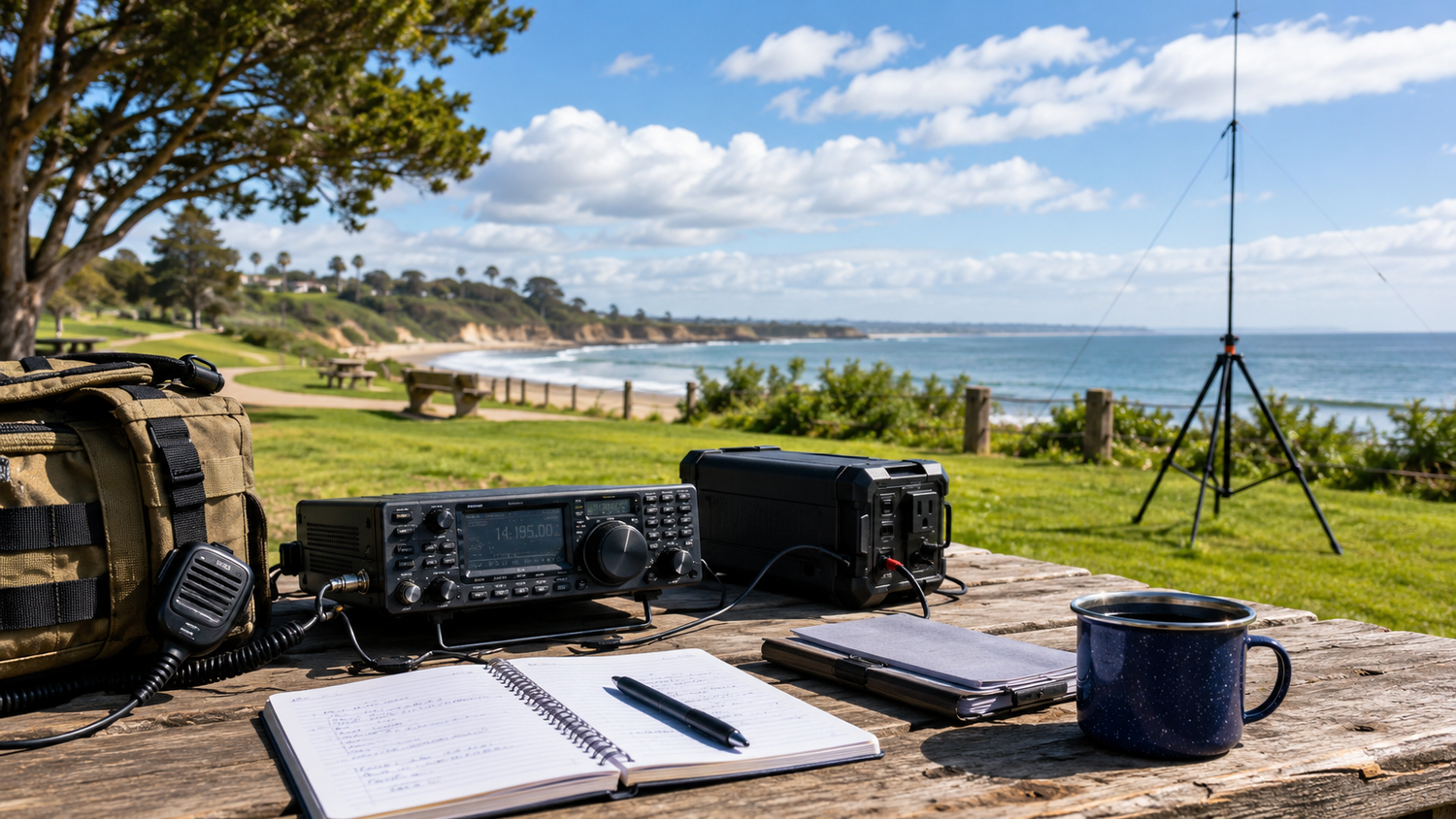

Fresh From the Logbook
The newest article from N1JUR Field Notes.
Where Do You Want to Go Next?
Field Notes is only part of the story. Dig deeper into getting on the air, taking radio outside, or figuring out which gear actually earns a place in the setup.
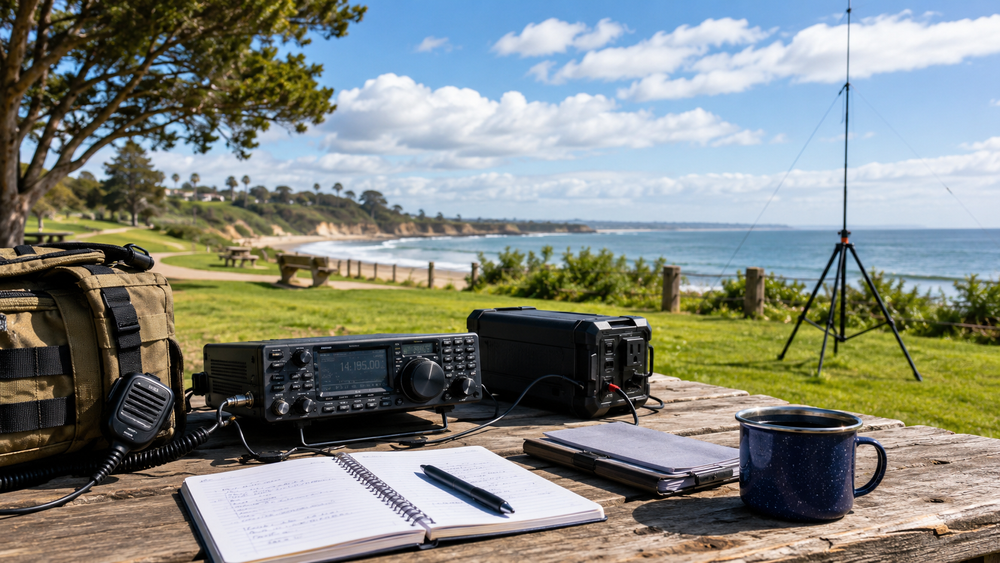
Getting Started
A practical path from wondering where to begin to actually getting on the air.
Start Here →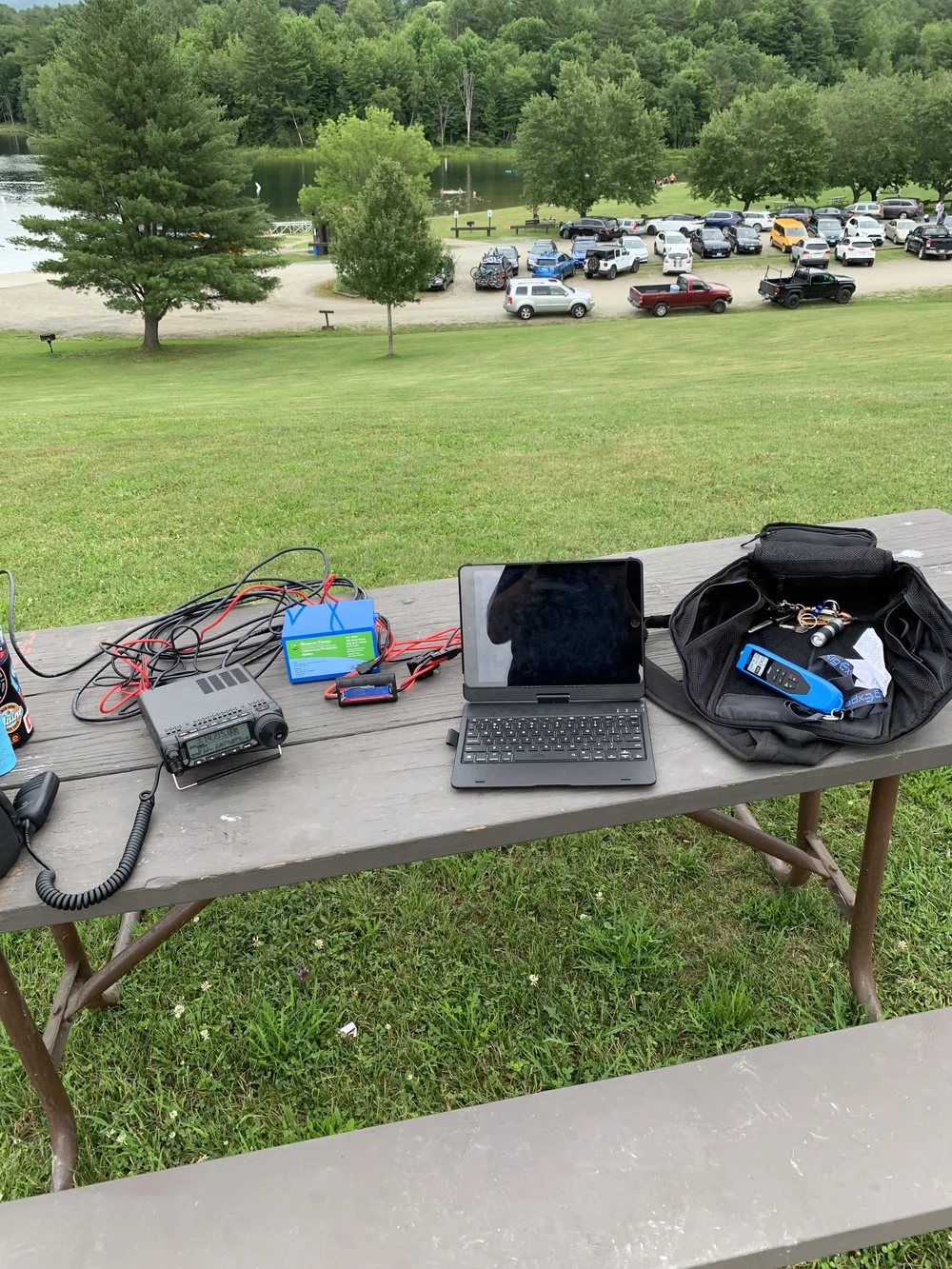
Activations
POTA, SOTA, Tiles and the lessons that come from actually operating away from the shack.
Explore Activations →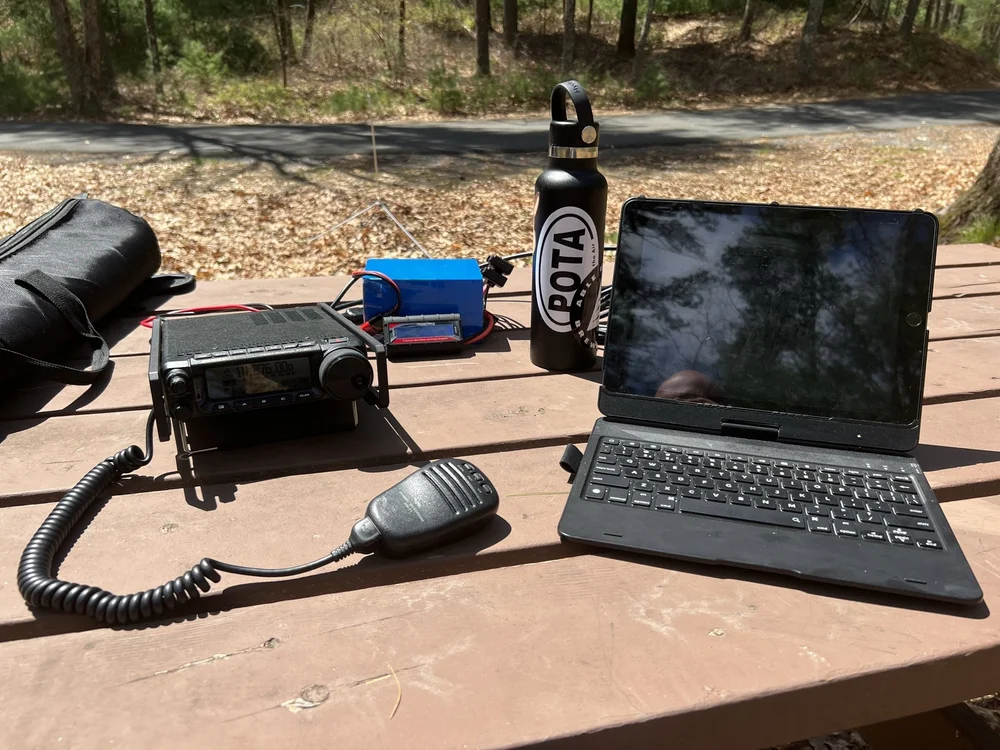
Gear
The radios, antennas and setups I use, test and keep bringing back into the field.
Explore Gear →
Dig Into the Field Notes
Browse the complete collection of articles, projects, experiments, lessons and occasional RF rabbit holes.
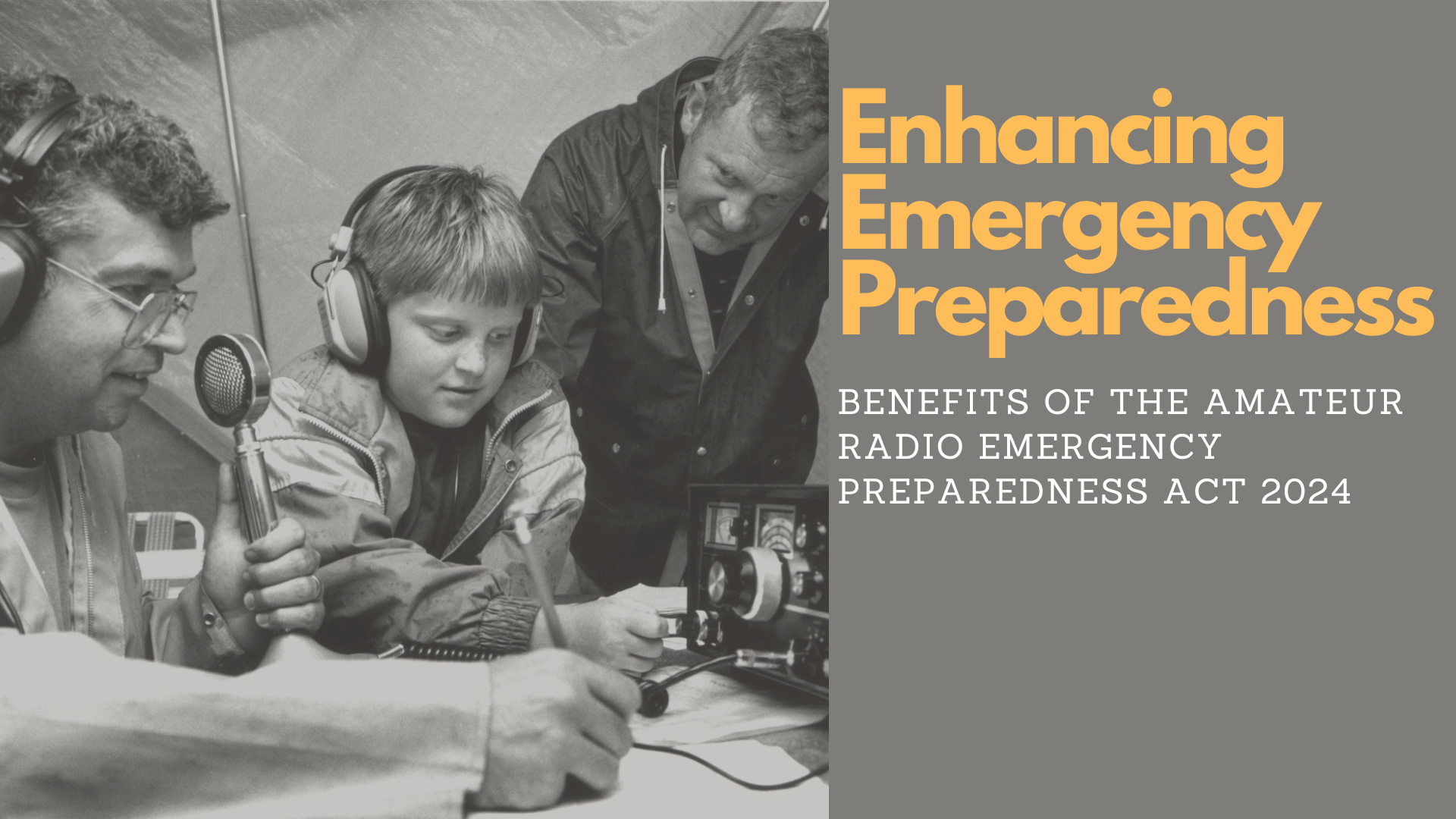
Enhancing Emergency Preparedness: The Benefits of the Amateur Radio Emergency Preparedness Act for Amateur Radio Operators
The potential benefits of the Amateur Radio Emergency Preparedness Act for amateur radio operators are significant, ranging from formal recognition of their role in emergencies to enhanced coordination, support, and interoperability. If passed into law, this act has the potential to empower hams to be even more effective first responders during times of crisis and further enhance the resilience of communities across the country. Let's continue to support and advocate for measures that recognize the invaluable contributions of amateur radio operators in emergency preparedness and response efforts.
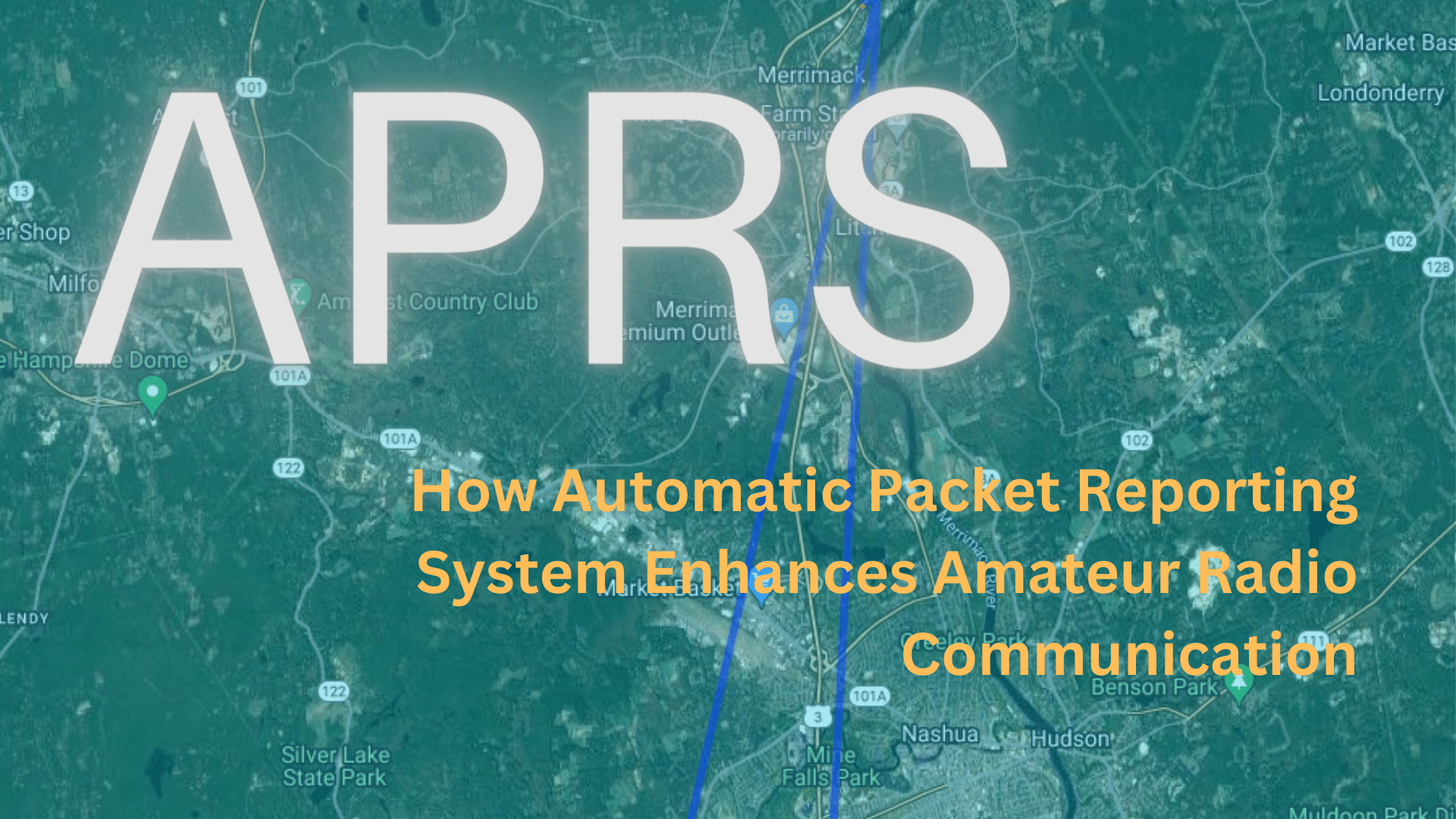
Exploring the Advantages of APRS: How Automatic Packet Reporting System Enhances Amateur Radio Communication
APRS is a versatile and powerful tool that offers a wide range of benefits for amateur radio operators, including real-time tracking, emergency communication, weather monitoring, messaging capabilities, and integration with digital mapping software. By incorporating APRS into their communication toolkit, hams can enhance their situational awareness, improve coordination, and expand their capabilities for emergency response, public service events, and outdoor activities. As technology continues to advance, APRS remains a valuable asset for the amateur radio community, enabling operators to stay connected, informed, and prepared in any situation.
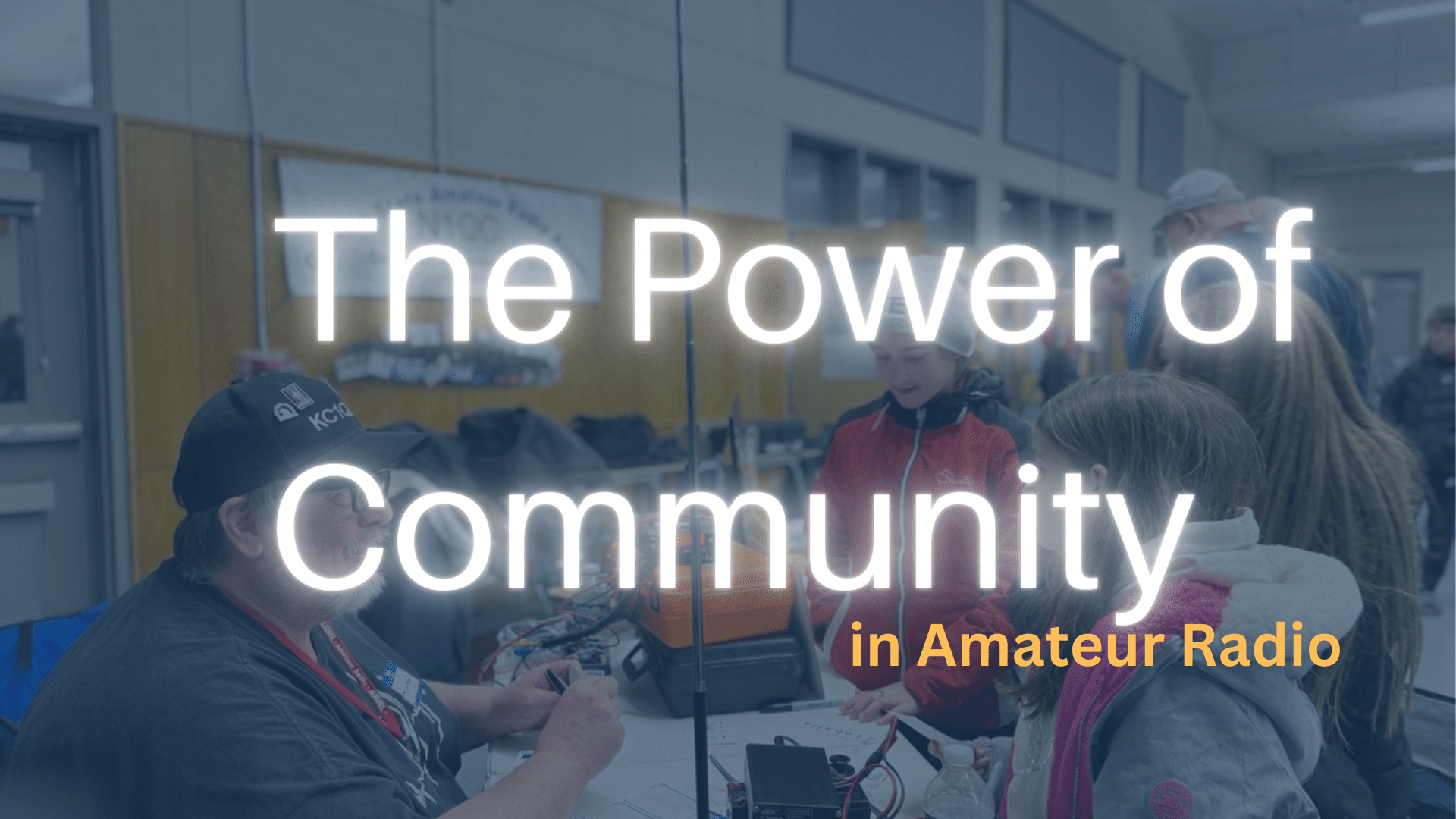
The Power of Community in Amateur Radio: Building Connections and Growing the Hobby Together
One of the key benefits of being part of the amateur radio community is the opportunity to share knowledge and mentorship. Experienced operators often take on the role of mentors, guiding newcomers through getting licensed, setting up their stations, and mastering operating techniques. This knowledge exchange helps newcomers learn and grow strengthens bonds within the community and ensures the transmission of skills and expertise from one generation of hams to the next.
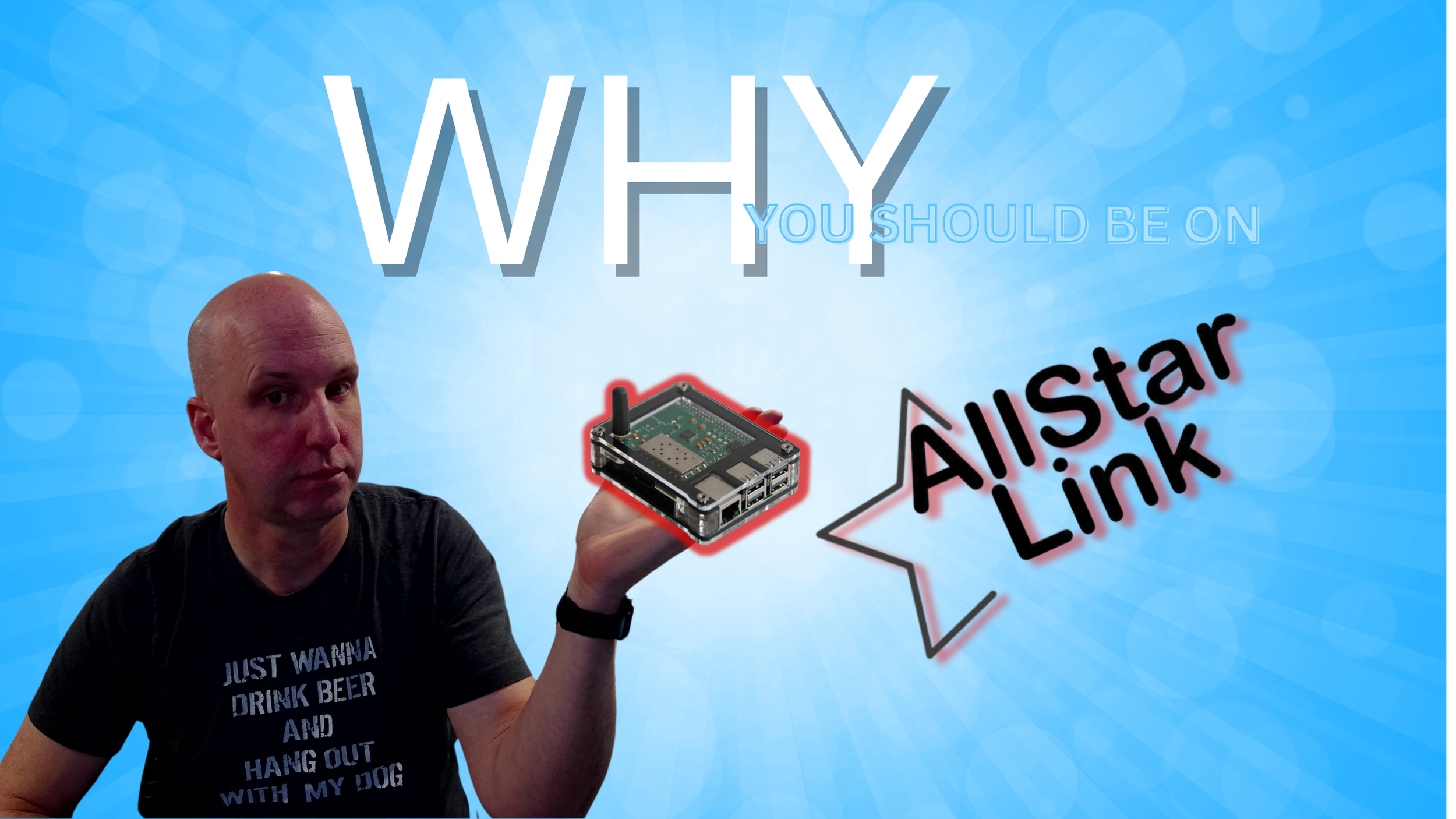
Why You Should Consider Setting Up an AllStar Link
AllStar Link is a network of amateur radio repeaters, remote base stations, and hotspots that allows for voice communication using Voice over Internet Protocol (VoIP) technology. In this blog post, we'll explore the reasons why you should consider setting up an AllStar Link and the benefits it can bring to your amateur radio activities.
Exploring the Differences and Benefits of Popular Ham Radio Logging Applications
With a wide array of logging software available, each offering unique features and capabilities, it can be challenging to determine which application best suits your specific needs. In this blog post, we'll explore some of the most popular ham radio logging applications, highlighting their differences and the advantages they offer to radio enthusiasts.
Exploring SATNOG: A Revolutionary Approach to Satellite Ground Stations
SATNOG represents a community-driven effort to establish a global network of open-source satellite ground stations, providing enthusiasts and researchers with an accessible platform for tracking, receiving, and decoding satellite transmissions. In this blog post, we'll delve into what SATNOG is, its significance, and the compelling reasons why you might want to set up a SATNOG ground station of your own.
5 Ways to Elevate Your Winter Field Day Experience
Whether you're a seasoned operator or new to the event, here are five key areas to focus on in order to enhance your Winter Field Day experience.

Get Connected: Setting Up Your Ham Shack Hotline
Ham Shack hotline primer. Learn more about the non-traditional Communications mode that can open up your world to Ham Radio Communications.

Top 5 Parks on the Air Tips for Activating a Park
Hey there, fellow radio enthusiasts! If you're a fan of Parks on the Air (POTA), you know the thrill of activating beautiful outdoor locations and making radio contacts amidst nature's splendor. Whether you're a seasoned POTA activator or considering your first activation, here are the top 5 tips to help you make the most of your park activations and ensure a successful and enjoyable experience.
146.52 MHz is the national 2-meter FM simplex calling frequency. But is anybody listening? Maybe the problem isn't the frequency—it's us.