
Field Notes from N1JUR
Real-world ham radio tips, portable operating lessons, gear thoughts, and activation stories from the field to the shack.

What You’ll Find Here
This blog is where I go deeper than a YouTube description. You’ll find practical ham radio guides, activation lessons, gear breakdowns, and field notes from real operating experiences.
Some posts are beginner-friendly. Some get a little more technical. And some are just honest lessons from the field — because not every activation goes perfectly, and that’s usually where the good stuff happens.
Portable operating tips
POTA, SOTA, and location-based activation ideas
Gear and antenna experiments
Beginner-friendly ham radio guides
Field stories and lessons learned
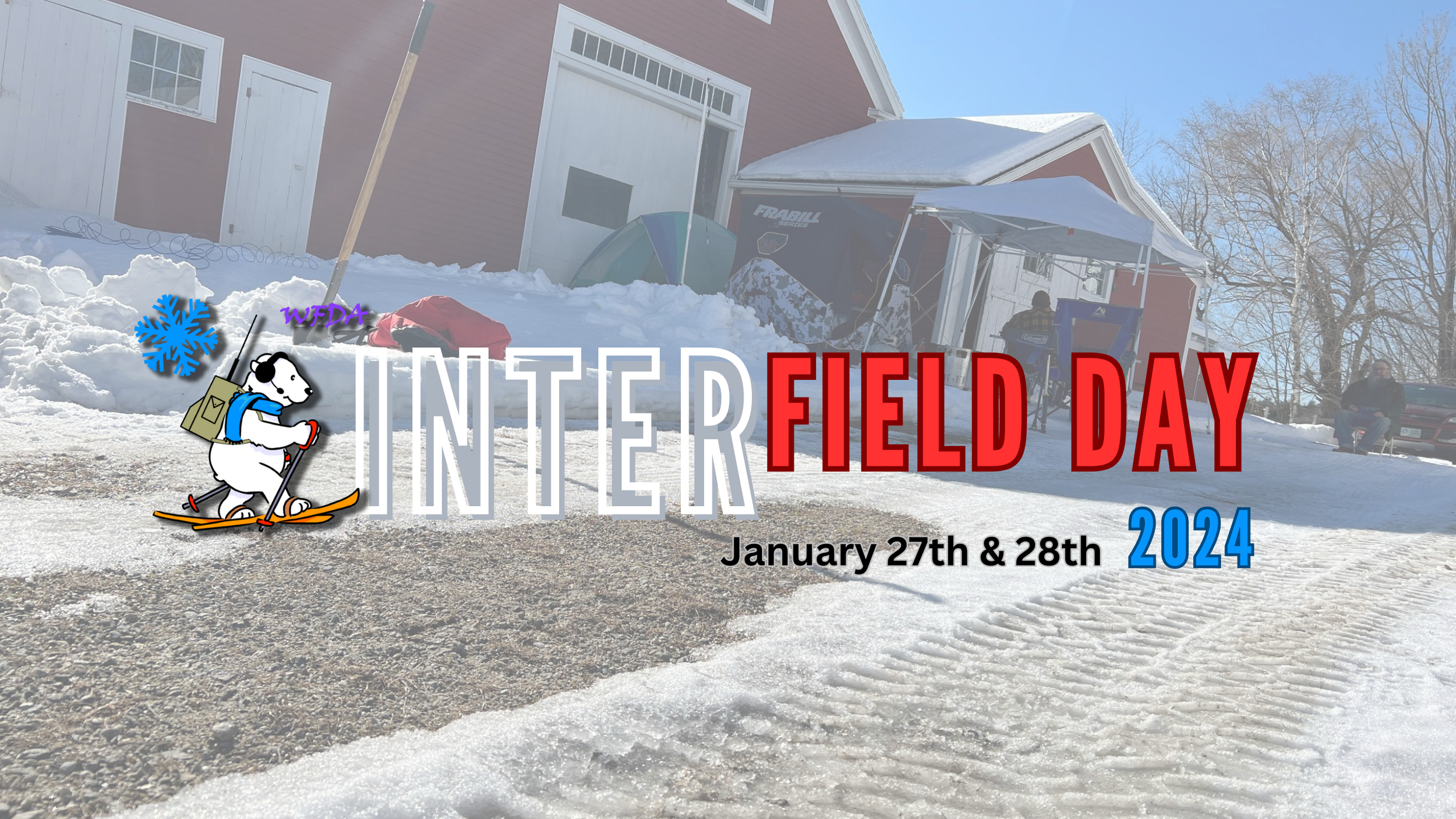
5 Ways to Elevate Your Winter Field Day Experience
Whether you're a seasoned operator or new to the event, here are five key areas to focus on in order to enhance your Winter Field Day experience.
Winter Field Day is an exciting event that challenges amateur radio operators to set up portable stations and operate outdoors in the midst of winter. With its unique set of challenges and opportunities, Winter Field Day offers a chance for participants to hone their skills and embrace the spirit of adventure. Whether you're a seasoned operator or new to the event, here are five key areas to focus on in order to enhance your Winter Field Day experience.
1. Cold Weather Preparation
Preparation is key when it comes to operating outdoors in winter conditions. Make sure to dress appropriately for the weather, layering clothing to stay warm and dry. Consider investing in high-quality winter gear, such as insulated boots, gloves, and a weather-resistant outer layer. Additionally, be mindful of safety precautions, such as protecting yourself from frostbite and hypothermia. Adequate preparation for the cold will ensure that you can focus on operating your station effectively without being hampered by the elements.
2. Efficient Antenna Setup
Setting up antennas in winter weather can be more challenging than in milder conditions. Take the time to plan and practice your antenna setup beforehand to ensure efficiency and reliability. Consider using antennas that are easy to deploy and withstand winter conditions, such as sturdy verticals or wire antennas. Additionally, be mindful of potential issues such as ice accumulation on antennas and how it may affect their performance. By optimizing your antenna setup for winter conditions, you can maximize your station's effectiveness during Winter Field Day.
3. Power Management
Managing power effectively is crucial for a successful Winter Field Day operation. Cold temperatures can impact battery performance, so it's important to have a reliable power source and backup plan in place. Consider using deep-cycle batteries or portable power generators suited for cold weather operation. Additionally, be mindful of power consumption, optimizing your station's setup to conserve energy and extend operating time. By paying attention to power management, you can ensure uninterrupted operation throughout the event.
4. Operating Strategy
Developing a solid operating strategy can greatly enhance your Winter Field Day experience. Consider factors such as band selection, propagation conditions, and operating modes to maximize your contact count. Be adaptable and ready to adjust your strategy based on changing conditions. Take advantage of the event's unique rules, such as bonus points for emergency power and operating in non-traditional locations, to add an extra layer of challenge and excitement to your experience.
5. Embracing the Camaraderie
Winter Field Day is not just about radio operation—it's also an opportunity to connect with fellow enthusiasts and share the experience of operating in challenging conditions. Embrace the camaraderie of the event by collaborating with teammates, sharing knowledge and resources with other participants, and celebrating the unique aspects of winter outdoor operation. Engaging with the broader amateur radio community during Winter Field Day can lead to valuable connections, new friendships, and a deeper appreciation for the spirit of amateur radio.
In conclusion, Winter Field Day offers a fantastic opportunity to test your skills, push your limits, and connect with like-minded individuals in the amateur radio community. By focusing on cold weather preparation, efficient antenna setup, power management, operating strategy, and embracing camaraderie, you can elevate your Winter Field Day experience and make the most of this exciting event. Whether you're braving the elements alone or participating as part of a team, these key areas of improvement can help you maximize your enjoyment and success during Winter Field Day.

Getting Ready for a Winter Field Day: Preparing for Cold-Weather Ham Radio Operations
The thought of operating outdoors in the crisp winter air, surrounded by snow-covered landscapes, and making contacts with fellow operators across the globe is truly exhilarating. However, winter field operations come with their own set of challenges, especially when it comes to staying warm and keeping our equipment running smoothly in cold conditions. In this post, we'll discuss some essential tips to help you prepare for a successful and enjoyable winter field day.
Hey there, fellow radio enthusiasts! As the winter season approaches, many of us are gearing up for one of the most exciting events on the ham radio calendar – Winter Field Day. The thought of operating outdoors in the crisp winter air, surrounded by snow-covered landscapes, and making contacts with fellow operators across the globe is truly exhilarating. However, winter field operations come with their own set of challenges, especially when it comes to staying warm and keeping our equipment running smoothly in cold conditions. In this post, we'll discuss some essential tips to help you prepare for a successful and enjoyable winter field day.
1. Dressing for the Cold
When venturing out for winter field day activities, it's crucial to dress appropriately for the weather. Layering is key to staying warm and comfortable during extended operating sessions. Start with a moisture-wicking base layer to keep sweat away from your body, followed by insulating layers such as fleece or wool, and finally, a windproof and waterproof outer layer to protect against the elements. Don't forget to wear warm, moisture-wicking socks and insulated, waterproof boots to keep your feet dry and toasty.
2. Protecting Your Equipment
Cold temperatures can have a significant impact on the performance of your radio equipment. Batteries can lose capacity in the cold, and LCD displays may become sluggish or unresponsive. To mitigate these issues, consider using insulated cases or wraps for your gear, and keep spare batteries in a warm location, such as an inside pocket, to maintain their charge. Additionally, using hand warmers or small heating pads inside your equipment cases can help prevent temperature-related malfunctions.
3. Setting Up a Shelter
Having a shelter to operate from can make a world of difference during a winter field day. Whether it's a portable tent, a pop-up canopy, or a makeshift tarp shelter, having a designated space to shield you from wind and snow will enhance your comfort and allow you to focus on making contacts without worrying about the weather.
4. Antenna Considerations
Snow and ice can affect the performance of your antennas, so be sure to inspect and clear them of any accumulated wintry precipitation before and during your operating session. Portable antennas like dipoles or verticals may require extra support or guying to withstand winter weather conditions, so plan accordingly to ensure your antennas stay upright and functional.
5. Stay Hydrated and Nourished
In cold weather, it's easy to overlook the need for hydration and nutrition. However, staying well-hydrated and fueled with warm, high-energy foods is essential for maintaining focus and energy levels during outdoor operations. Pack plenty of water and hot beverages in insulated containers, and bring along hearty snacks to keep you going throughout the day.
By taking these preparations into account, you'll be well-equipped to tackle the challenges of winter field day and enjoy a rewarding and memorable radio experience. Embrace the beauty of the winter landscape, connect with fellow operators, and make the most of this unique opportunity to operate in a winter wonderland.
Are you preparing for winter field day? Share your tips and experiences in the comments below. Until next time, stay warm, stay safe, and keep those radios buzzing!