
Field Notes from N1JUR
Real-world ham radio tips, portable operating lessons, gear thoughts, and activation stories from the field to the shack.
What You’ll Find Here
This blog is where I go deeper than a YouTube description. You’ll find practical ham radio guides, activation lessons, gear breakdowns, and field notes from real operating experiences.
Some posts are beginner-friendly. Some get a little more technical. And some are just honest lessons from the field — because not every activation goes perfectly, and that’s usually where the good stuff happens.
Portable operating tips
POTA, SOTA, and location-based activation ideas
Gear and antenna experiments
Beginner-friendly ham radio guides
Field stories and lessons learned
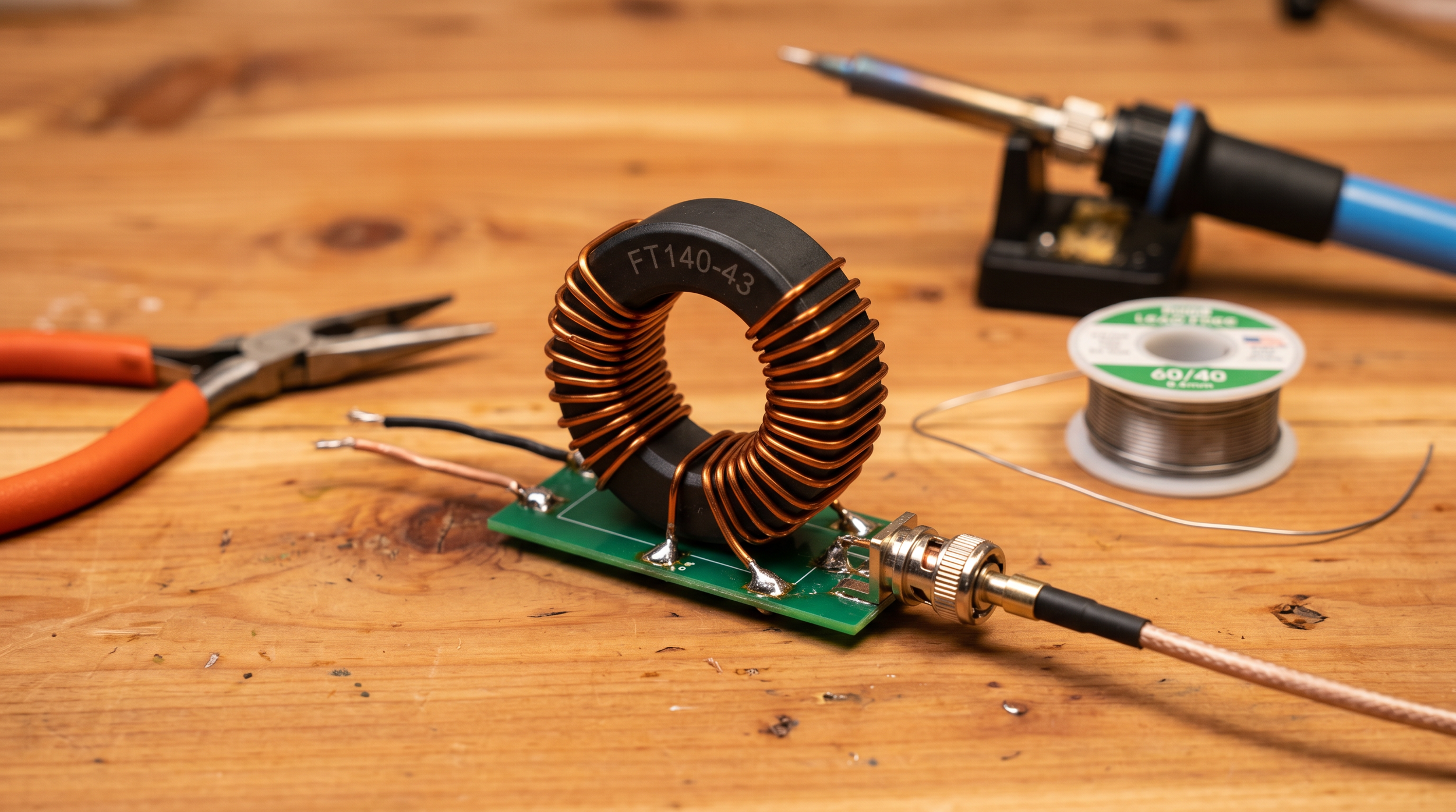
The 20-Minute End-Fed Half-Wave: A Garage-Built Antenna That Punches Above Its Weight
The first antenna I bought for POTA cost me $75 and worked fine. The second antenna I built in my garage for about $18 in parts and worked better. I'm not saying that to sound clever — it's just how it went, and it's a pretty common story. The end-fed half-wave antenna is one of the most forgiving, portable, and genuinely effective antennas you can put up in a park. And if you build your own, you'll know exactly what's in it, which pays off every time something needs troubleshooting.
The first antenna I bought for POTA cost me $75 and worked fine. The second antenna I built in my garage for about $18 in parts worked better. I'm not saying that to sound clever — it's just how it went, and it's a pretty common story. The end-fed half-wave antenna is one of the most forgiving, portable, and genuinely effective antennas you can put up in a park. And if you build your own, you'll know exactly what's in it, which pays off every time something needs to be troubleshot.
Here's how to build one in about 20 minutes. I mean that literally — if you've got the parts on hand, I've timed it.
Why the EFHW Works So Well for Portable
The end-fed half-wave is resonant on a specific band (or its harmonics) without needing a tuner. A wire cut to half-wavelength on 40m — about 66.5 feet — is also resonant on 20m, 15m, and 10m. That means one antenna covers four bands, which is a big deal when you're trying to stay light and fast. You feed it at the high-impedance end (roughly 2,500-5,000 ohms) through a 49:1 transformer that steps the impedance down to something close to 50 ohms that your radio can see.
The alternative — a center-fed dipole — is great but requires a feedpoint in the middle of the wire, which complicates deployment. An EFHW lets you run all your coax back to the operating position and mount the transformer at the base of your mast. Much cleaner setup when you're working solo.
One thing to understand: the EFHW needs a counterpoise. Not a big one — typically 0.05-wavelength is enough, which on 40m is about 3 feet. A lot of commercial EFHW designs use the coax shield as the counterpoise, which works reasonably well if your coax is at least 20-30 feet. A small wire counterpoise clipped to the transformer chassis ground lug is more predictable and something I'd recommend adding if you're building from scratch.
Parts List
Everything you need for the transformer and feedpoint:
1x FT140-43 ferrite toroid core (about $5-7 from Mouser or KitsAndParts)
26 AWG or 24 AWG magnet wire (enameled copper), roughly 6 feet — you likely have this already
Enclosure: a small Hammond 1590A die-cast aluminum box ($5-8) or a PVC project box
SO-239 chassis connector for the radio side ($2-3)
Wing nut or binding post for the wire connection
1/8" stainless bolt + nut for the counterpoise lug
Small capacitor, 100pF 500V (optional but recommended — improves 10m performance noticeably)
For the wire:
66.5 feet of 26 AWG stranded hookup wire or antenna wire for 40m resonance (cut slightly long, then trim)
For a lighter build, some people use 28 AWG — fine for 100W if you don't run it into high SWR
Total cost in parts: roughly $15-20, depending on what you already have.
Winding the 49:1 Transformer
The 49:1 ratio comes from a turns ratio of 7:1 — 7 turns on the primary (radio side), 49 on the secondary (antenna wire side). On an FT140-43 core, the winding process takes about 10 minutes if you're patient.
Primary Winding
Strip and tin your 24 AWG magnet wire. Wind 7 turns through the center of the FT140-43 core. A "turn" means the wire passes through the hole once — count hole passes, not wraps around the outside. Space the turns evenly and keep them tight against the core. Connect one end to the center pin of your SO-239 and the other end to the ground lug.
Secondary Winding
For the secondary, you need 49 turns. This sounds tedious, but it isn't bad on the FT140-43, since the core is large enough to accommodate the wire comfortably. Use the same 24 AWG wire. Wind in the same direction as the primary. One end goes to the antenna wire connection (binding post or wing nut), the other end goes to ground, same as the primary cold end. The shared ground point between primary and secondary is important — don't skip it.
The Optional Capacitor
Solder a 100pF 500V capacitor across the primary (between the center pin and ground on the SO-239 side). This resonates out some of the transformer's leakage reactance at 10m and 15m and measurably improves your SWR on those bands. It doesn't affect 40m or 20m performance. Worth doing while you've got the iron out.
Enclosure and Finishing Up
If you're using a Hammond 1590A box, drill a hole for the SO-239, a hole for the antenna wire to exit, and a small hole for the counterpoise connection. Use a chassis punch or a step drill bit. Mount the SO-239, run the transformer inside, and secure the core with a small dab of non-conductive epoxy or a zip tie through a cable clamp — you don't want the toroid bouncing around inside the box over rough terrain.
Seal the antenna wire exit with a grommet or a dab of silicone to keep moisture out. Label the box with a marker: band, transformation ratio, and build date. You'll thank yourself in 18 months.
For the wire itself, I use 26 AWG silicone wire — it's flexible, doesn't retain a memory set in the cold, and coils neatly onto a fishing winder or a small cord winder. The silicone jacket is also noticeably tougher against bark and branches than standard PVC hookup wire.
Installing and Testing
Before you go to the park, hook a NanoVNA to the SO-239 and sweep 7 to 30 MHz with the antenna wire deployed (or at least fully extended in your garage or yard). You're looking for the SWR dip on 40m to land somewhere in the 7.000-7.300 MHz range, and dips on 20m, 15m, and 10m that correspond to harmonics.
If your 40m dip is below 7.0 MHz, the wire is a little long — trim 6-inch increments from the far end, re-measure, repeat. If the dip is above 7.3 MHz, the wire is short, and you'll need to add a few inches. This tuning process is genuinely satisfying — you're watching the antenna respond to physical changes in real time.
What "Good Enough" SWR Looks Like
At the 40m dip, you want SWR below 1.5:1 without a tuner. Below 2:1 is acceptable if you've got an internal tuner in your radio. If you're seeing 3:1 or worse with the wire fully deployed, double-check that both the primary and secondary cold ends are properly grounded to the same point — that's the most common winding error.
How It Performs in the Field
Honest answer: It performs like a real antenna. I've made contacts on 40m SSB into the Pacific Northwest from New Hampshire on 100W with this antenna, slung at about 25 feet on a crappie pole. The 20m performance is excellent — the EFHW's harmonic resonance on 20m is genuine, and you don't take a big efficiency hit.
Compared to a commercial antenna like the PAR EndFedz or the LNR Precision Trail-Friendly end-fed, a good homebrew 49:1 on an FT140-43 will hold its own. The FT140-43 core handles 100W without heating up under normal operating conditions. I've run a continuous 5-minute carrier at 100W during testing, and the core stayed barely warm. For POTA-style operating — short transmit bursts, long receive windows — heat is essentially a non-issue.
Watch & Learn
If you want to see the EFHW concept in action before you start winding, here's what to queue up:
- [BEST portable QRP antenna (JUST OK MINI)](https://www.youtube.com/watch?v=6rVIJCYvbDY) — a hands-on look at portable antenna performance in the field, including how EFHW-style antennas compare to alternatives
- [POTA Tips, Tricks & Hacks (N1JUR)](https://www.youtube.com/watch?v=4eRNNE5tLfw) — antenna deployment tips baked into a broader activation walkthrough
Go Build It
Honestly, the hardest part is ordering the toroid. Once the FT140-43 shows up in your mailbox, you'll have the thing wound, tested, and ready to go in an evening. And there's something satisfying about making 40 contacts on an antenna you built yourself for less than the cost of lunch.
Questions about winding, enclosures, or matching — come find me in the Brew & Activate Discord at [discord.gg/zwg9mWyHmY](https://discord.gg/zwg9mWyHmY). The build-your-own-antenna crew in there is genuinely helpful and not snobby about it. More antenna content and activation guides over at [n1jur.com](https://n1jur.com).

Top 5 Parks on the Air Tips for Activating a Park
Hey there, fellow radio enthusiasts! If you're a fan of Parks on the Air (POTA), you know the thrill of activating beautiful outdoor locations and making radio contacts amidst nature's splendor. Whether you're a seasoned POTA activator or considering your first activation, here are the top 5 tips to help you make the most of your park activations and ensure a successful and enjoyable experience.
Hey there, fellow radio enthusiasts! If you're a fan of Parks on the Air (POTA), you know the thrill of activating beautiful outdoor locations and making radio contacts amidst nature's splendor. Whether you're a seasoned POTA activator or considering your first activation, here are the top 5 tips to help you make the most of your park activations and ensure a successful and enjoyable experience.
1. Research Park Locations
Before heading out to activate a park, take the time to research potential locations. Visit the POTA website or use the POTA app to find parks near your area that are designated for amateur radio activities. Look for parks with ample space, good access, and minimal noise interference to enhance your operating experience and maximize your contact potential.
2. Plan Your Setup
A well-thought-out setup is essential for a smooth park activation. Consider the layout of the park and choose a site that offers a clear area for setting up your equipment and antennas. Ensure that you have all the necessary gear, including portable masts, antennas, power sources, and a comfortable operating position. Anticipating your setup needs beforehand will save time and hassle on the day of the activation.
3. Check the Weather
Weather conditions can greatly impact your park activation, so be sure to check the forecast before heading out. Dress appropriately for the weather and bring along protective covers for your equipment in case of rain or wind. Additionally, consider the effect of weather on antenna performance and make any necessary adjustments to your setup to accommodate changing conditions.
4. Engage with the Community
POTA activations offer an excellent opportunity to connect with other radio enthusiasts and share your passion for amateur radio. Be open to engaging with park visitors who may be curious about your setup, and consider inviting them to listen in or even make a contact. Sharing your enthusiasm for amateur radio can help promote the hobby and create positive interactions with the public.
5. Log Your Contacts
Accurate logging is crucial for validating your park activation, so be diligent in logging your contacts as you make them. Consider using a reliable logging app or software to streamline the process and ensure that your logs are complete and error-free. Remember to follow POTA's guidelines for logging and submission to ensure that your activation is properly recorded and recognized.
By keeping these tips in mind, you'll be well-prepared to embark on a successful and enjoyable park activation. Embrace the natural beauty, engage with fellow operators, and make the most of your POTA experience as you activate parks and share the joy of amateur radio with the world.
Have you activated a park for POTA before? What tips would you share with fellow enthusiasts? Feel free to share your experiences and insights in the comments below. Until next time, happy activating!

3 things you shouldn't say to park rangers
We all have had a moment where we are asked - What are you doing? When were activating a park. So here are 3 things you never say to a park
While browsing POTA groups, I often come across arguments between hams and state park rangers. I used to find it amusing, knowing that the ham was usually the one at fault. However, I now feel compelled to address this issue myself. I want to shed some light on the topic and provide some helpful advice for new hams who are just starting to dip their toes into the world of POTA. So, here are the three things that should never be said to a park ranger when activating a park.
1: Start with I am an FCC LICENSED AMATEUR RADIO operator.
This will not win you any points, and might even get your photo posted in the Rangers Station. Try not to be forward and play like you own the place.
2: I have the right to….(insert item)
No matter what the “right” you have as a paying customer always treat others with respect and you going to get further than throwing around “shade”.
3: I paid the Park fee and read the rules, so…..
Your gonna get your butt tossed as this is not a seniority thing. You are on lands that aren’t directly owned/maintained by you - yes you pay taxes, but they - the rangers are there to keep civility and make the experience at the park great for everyone.
If you find yourself saying any of these phrases, may I suggest a different approach and consider this
1: I wasn't aware of (insert park rule). Can you direct me to an online link so I can learn more about it?
2: Do you have any suggestions or recommendations for the next time I activate the park again?
3: Have the pota flyer ready to help educate and offer the ranger an opportunity to make a QSo.
So if you are the type that doesn’t back down from an argument or likes to stir the pot, take a second to pause and think “Am I doing this activity for me or am I helping to pave the way for others to enjoy it as much as I have” As this will always help to make the Ham Radio Hobby welcoming to those that think we’re just the “tin foil hat” crew.
So have you been witness to a situation like this? Or did I miss some other statements, that should be included? Please Leave them in the comments below.

NH POTA Meetup
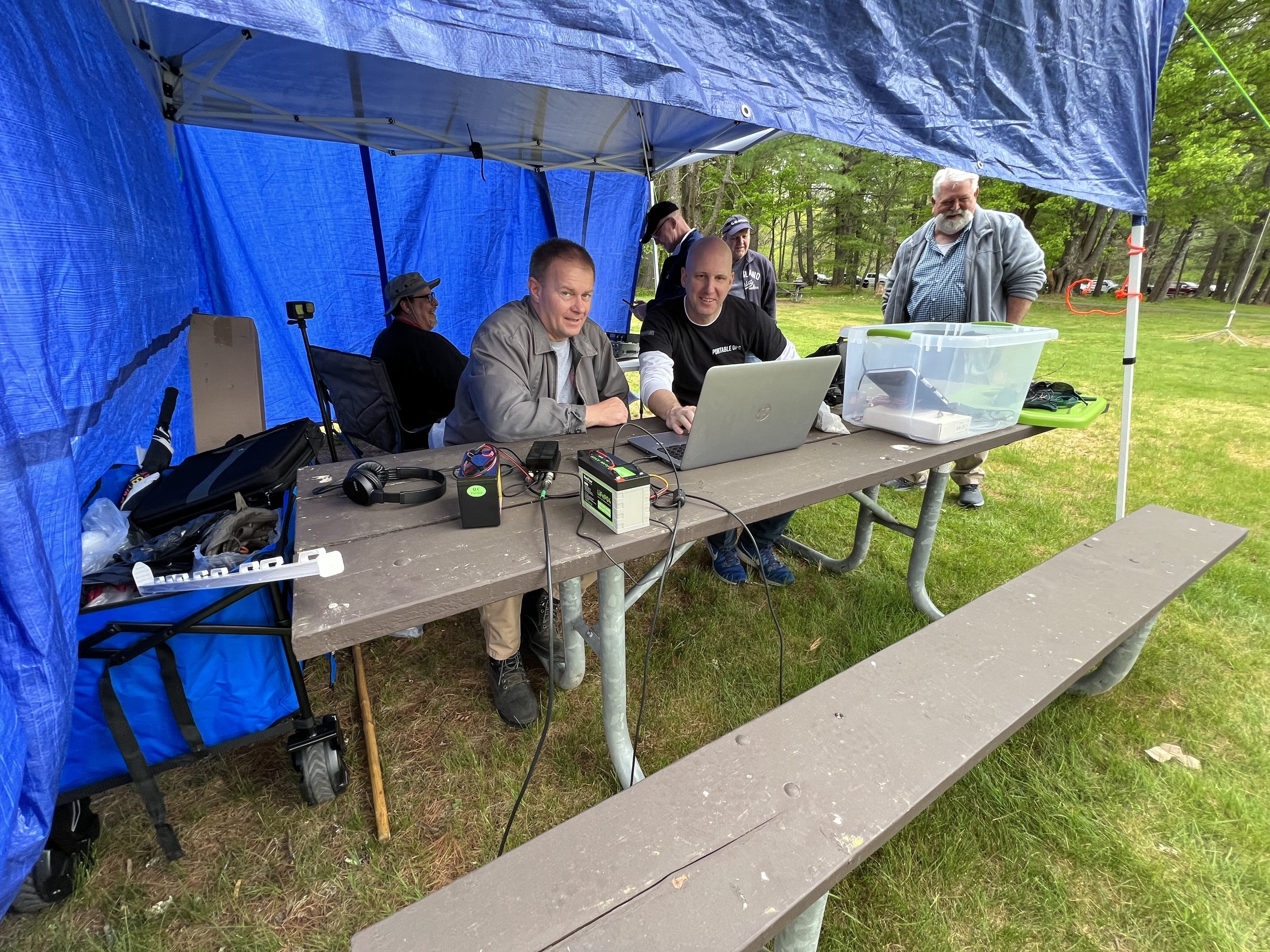
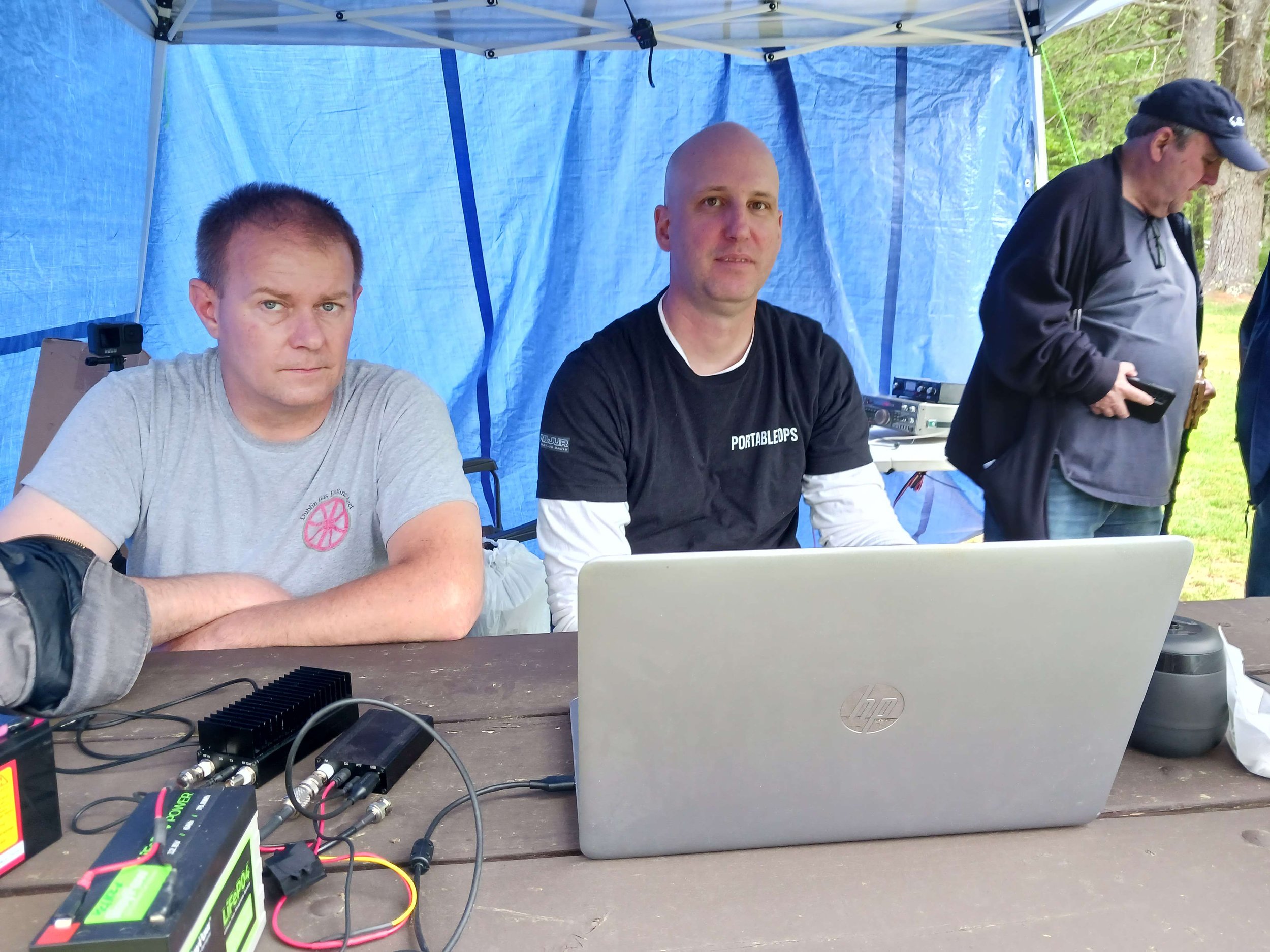
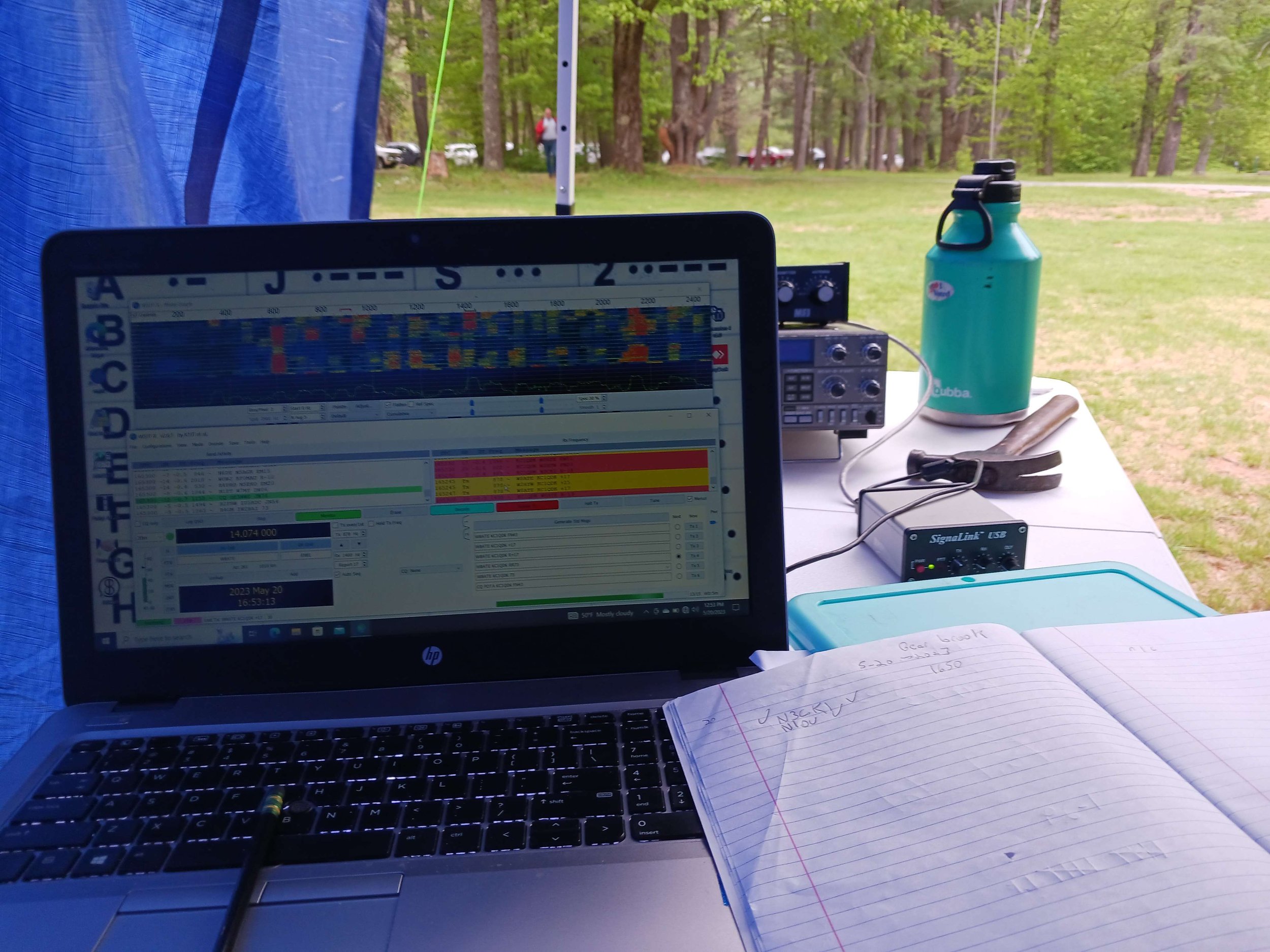
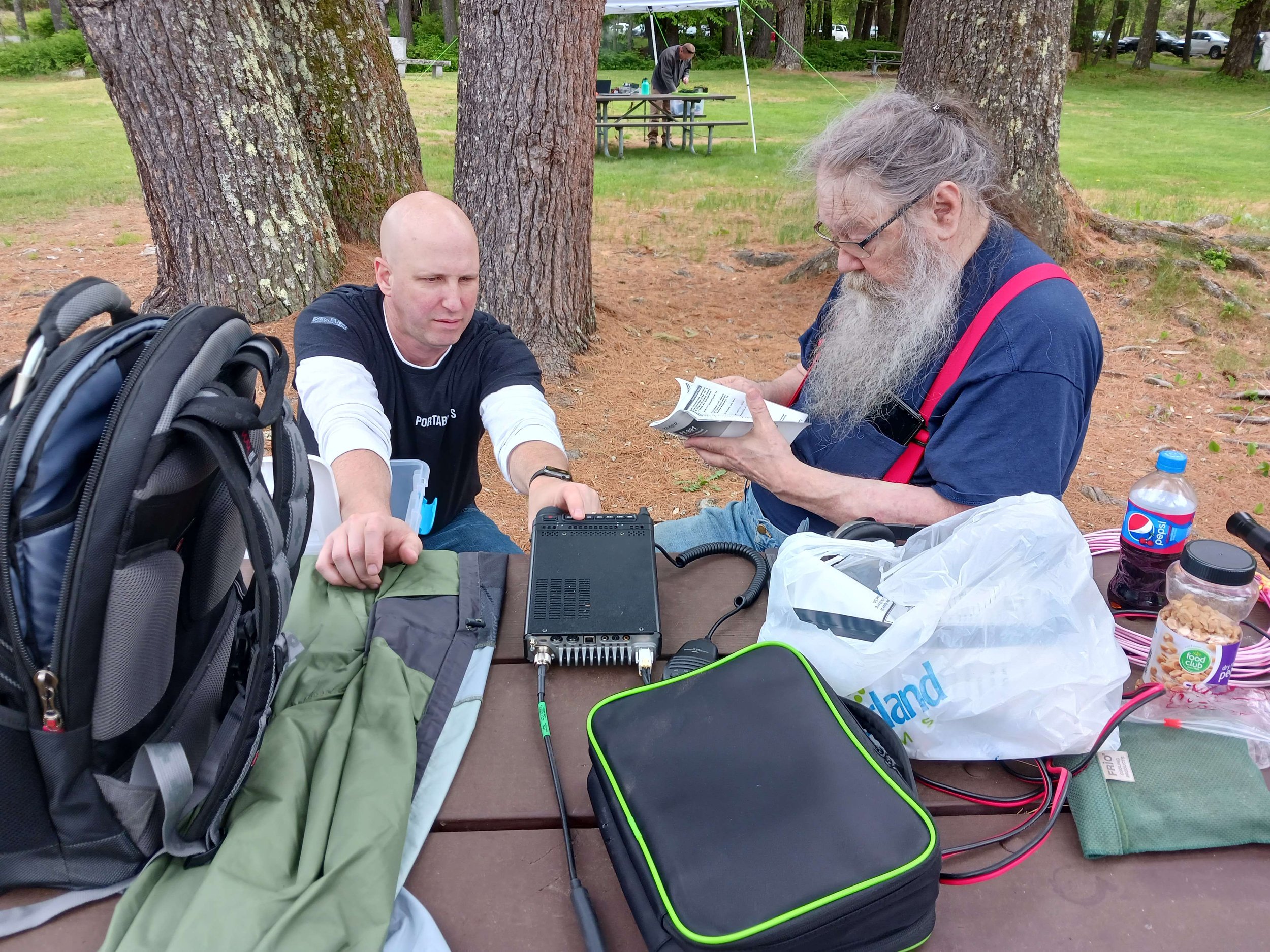
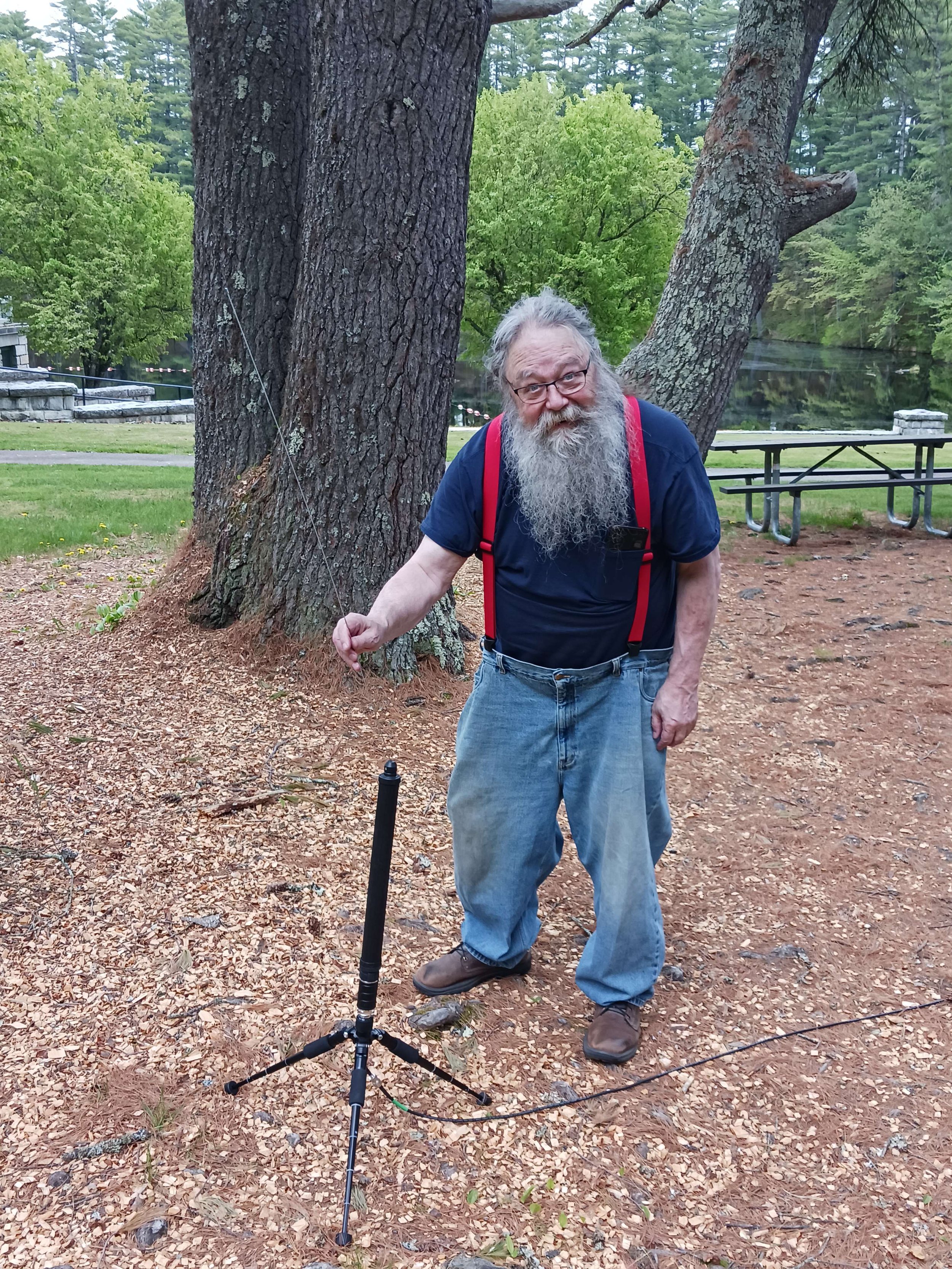
Our NH POTA Meetup was a great success! We activated Bear Brook State Park and battled the weather, a wedding and poor band conditions.
Organizing a POTA Meetup always presents unexpected challenges. At Bear Brook State Park, we faced a bride's wedding, harsh Propagation conditions, and the threat of rain. However, we persevered and had a successful Meetup, surrounded by like-minded individuals who share a passion for radio and the outdoors.
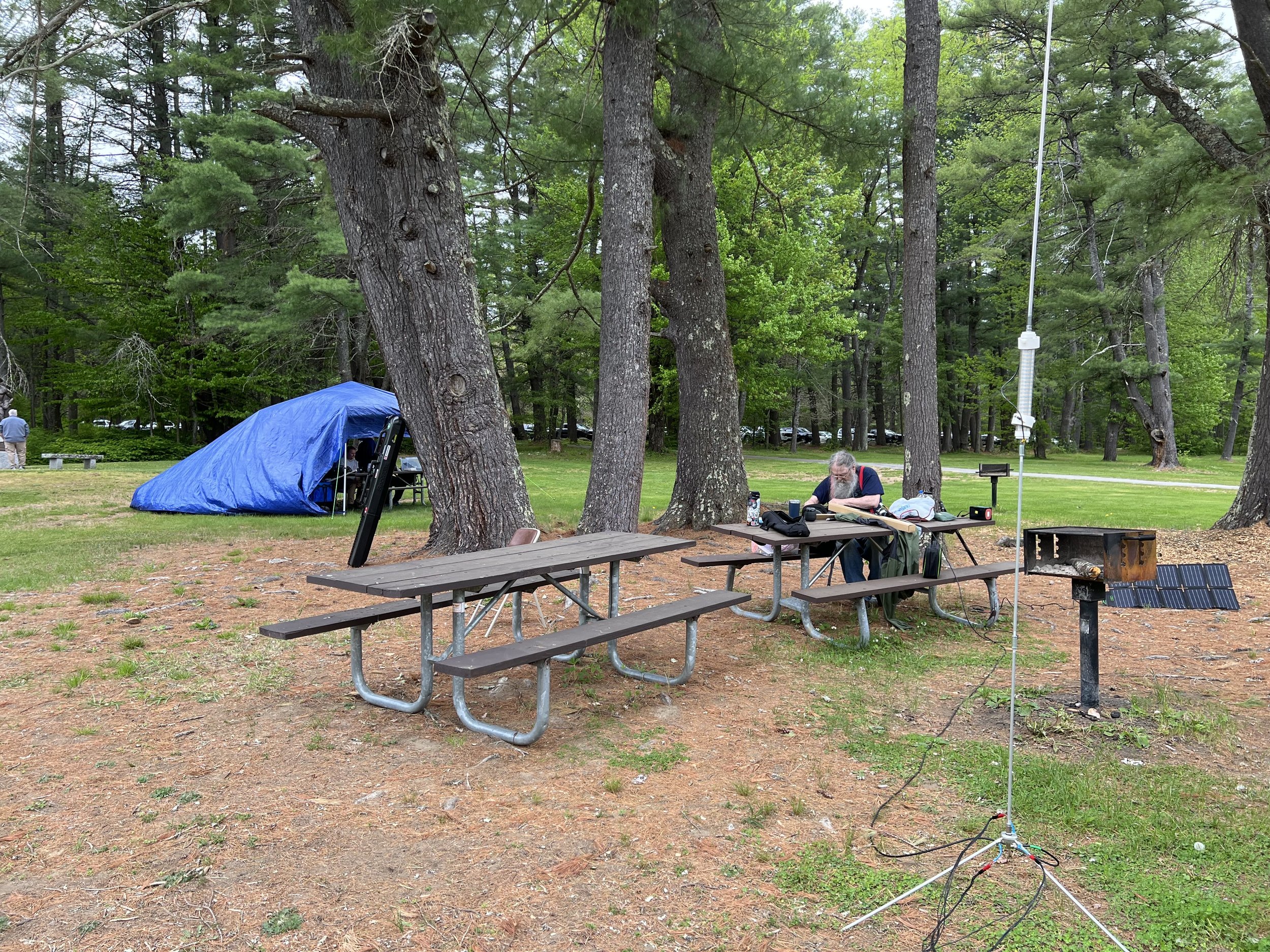
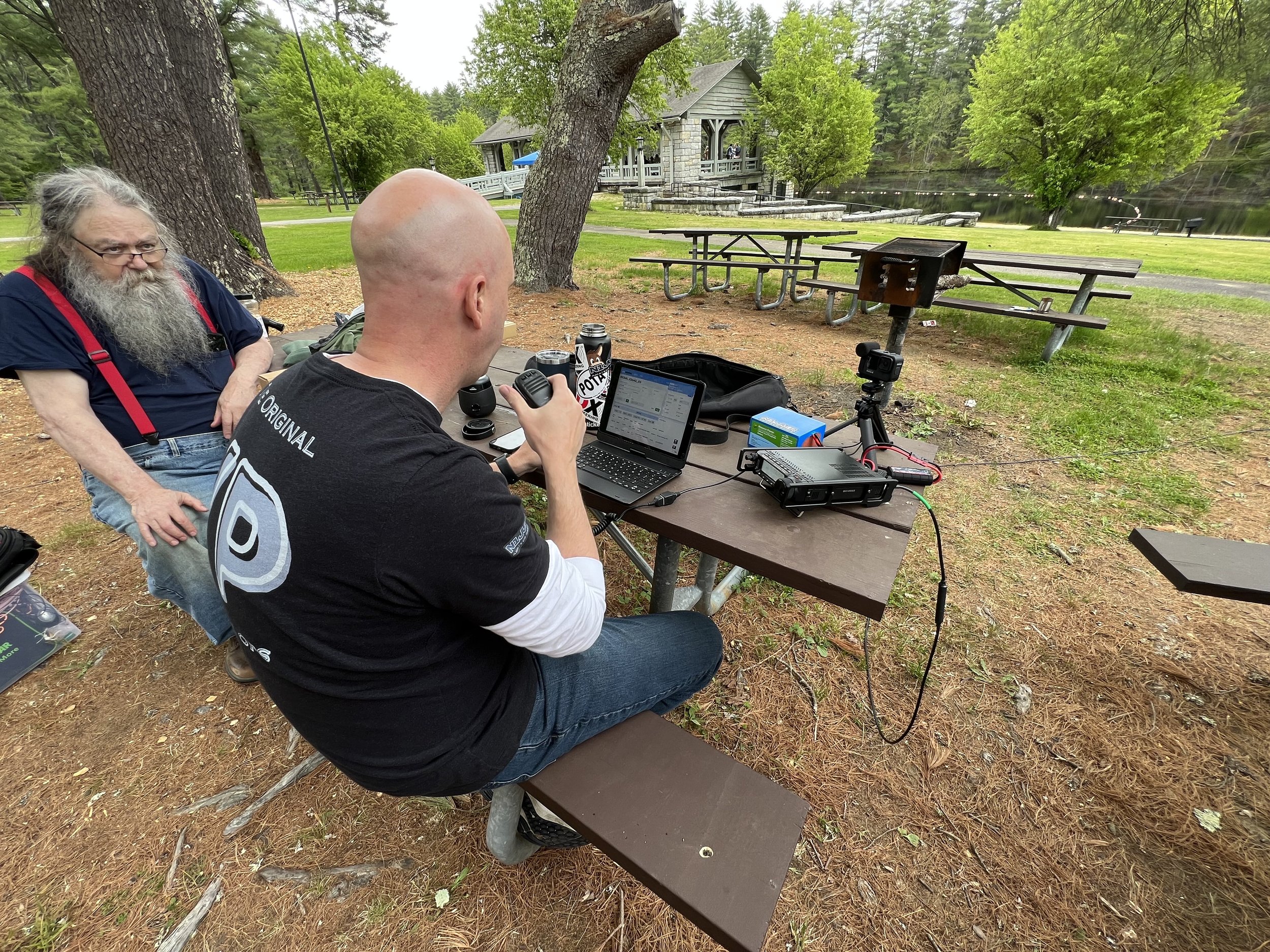
Bear Brook State Park boasts a stunning backdrop of lush greenery, a serene pond, and a charming pavilion that resembles a scene from a Walt Whitman painting. It's an idyllic setting for a radio activation, provided that you don't accidentally interrupt a wedding ceremony. Unfortunately, due to the impending rain, we had to move up the activation time by an hour, which coincided with the wedding ceremony. Nevertheless, we made the best of the situation and enjoyed our time together.
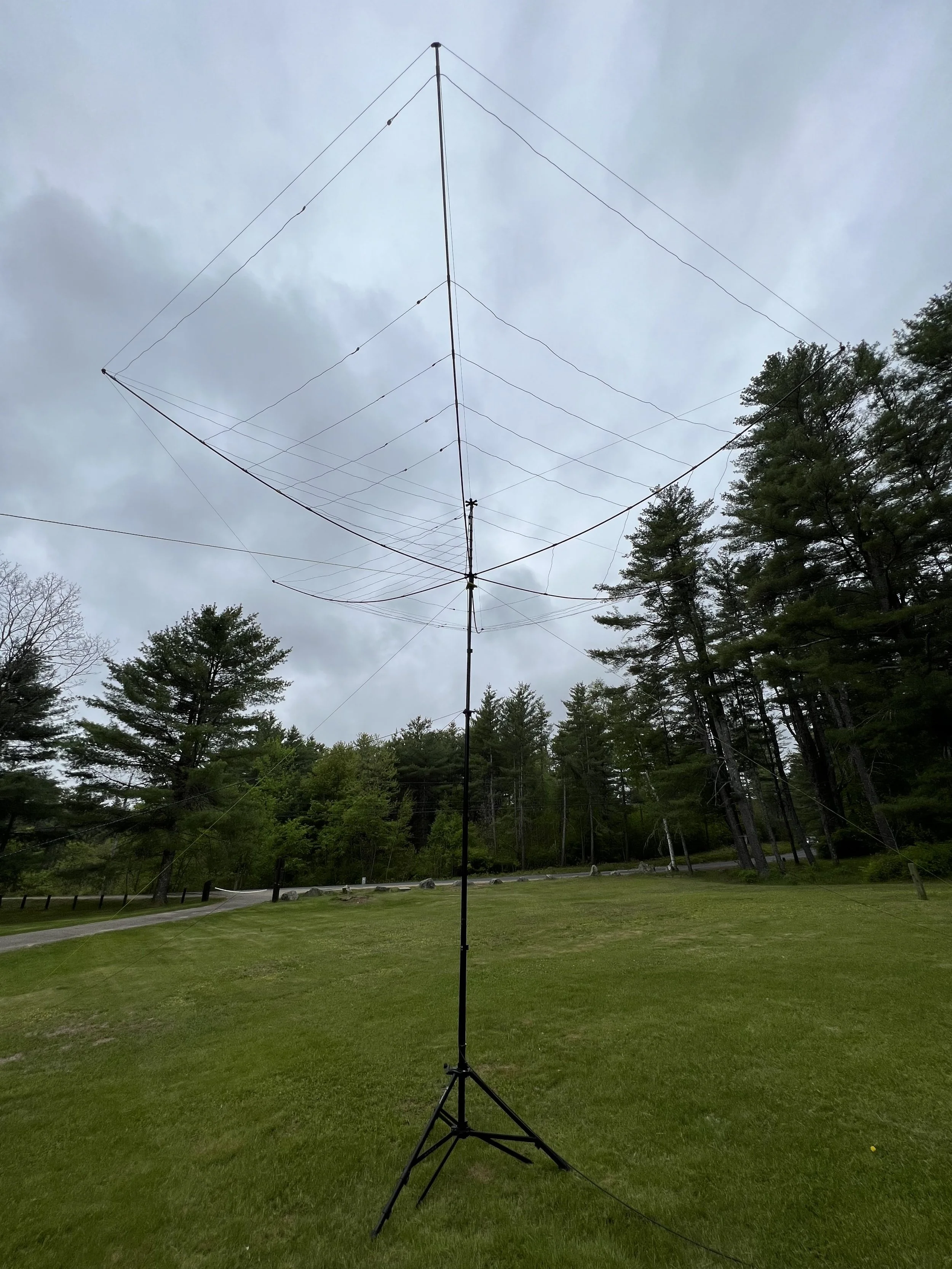
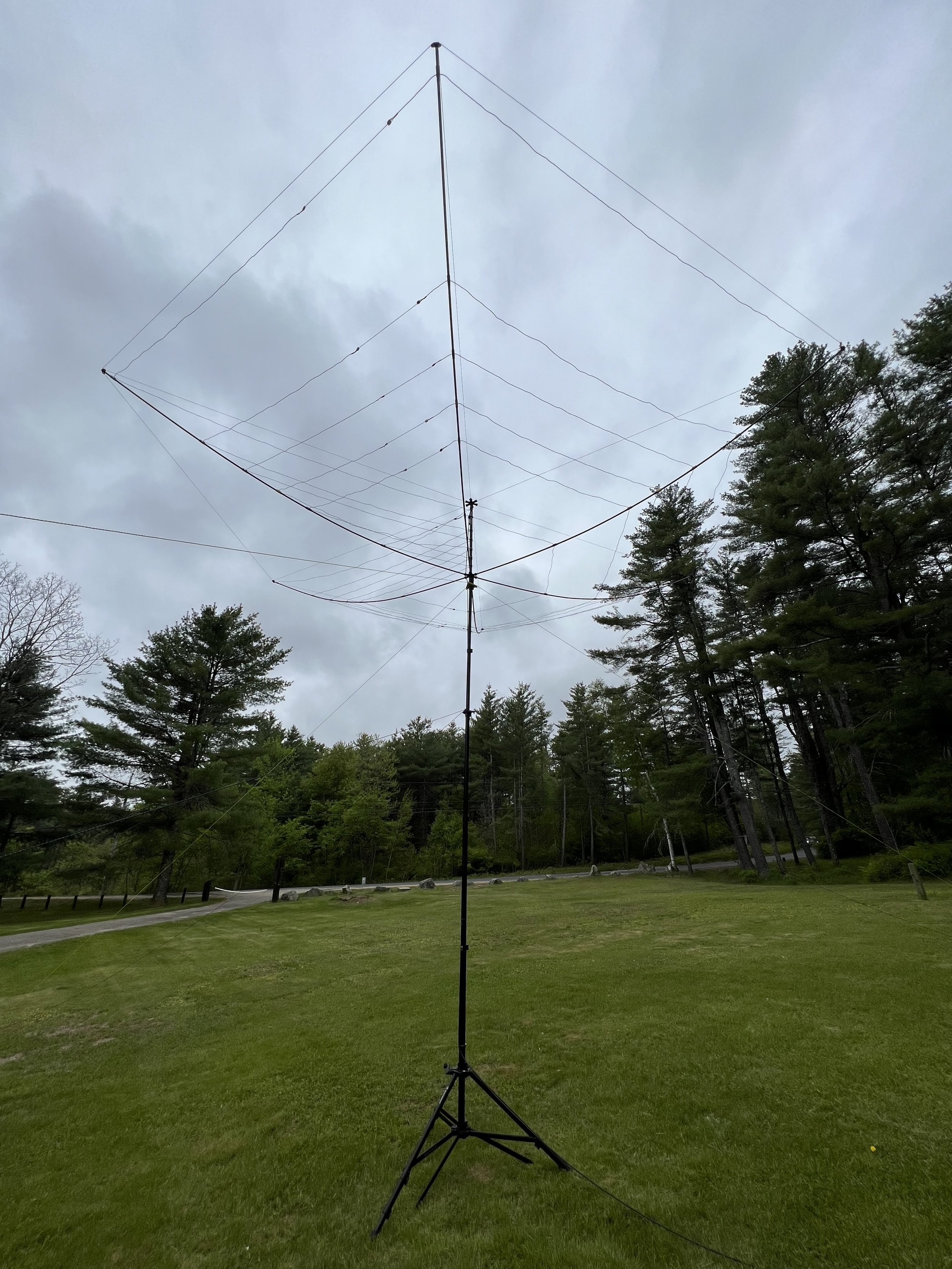
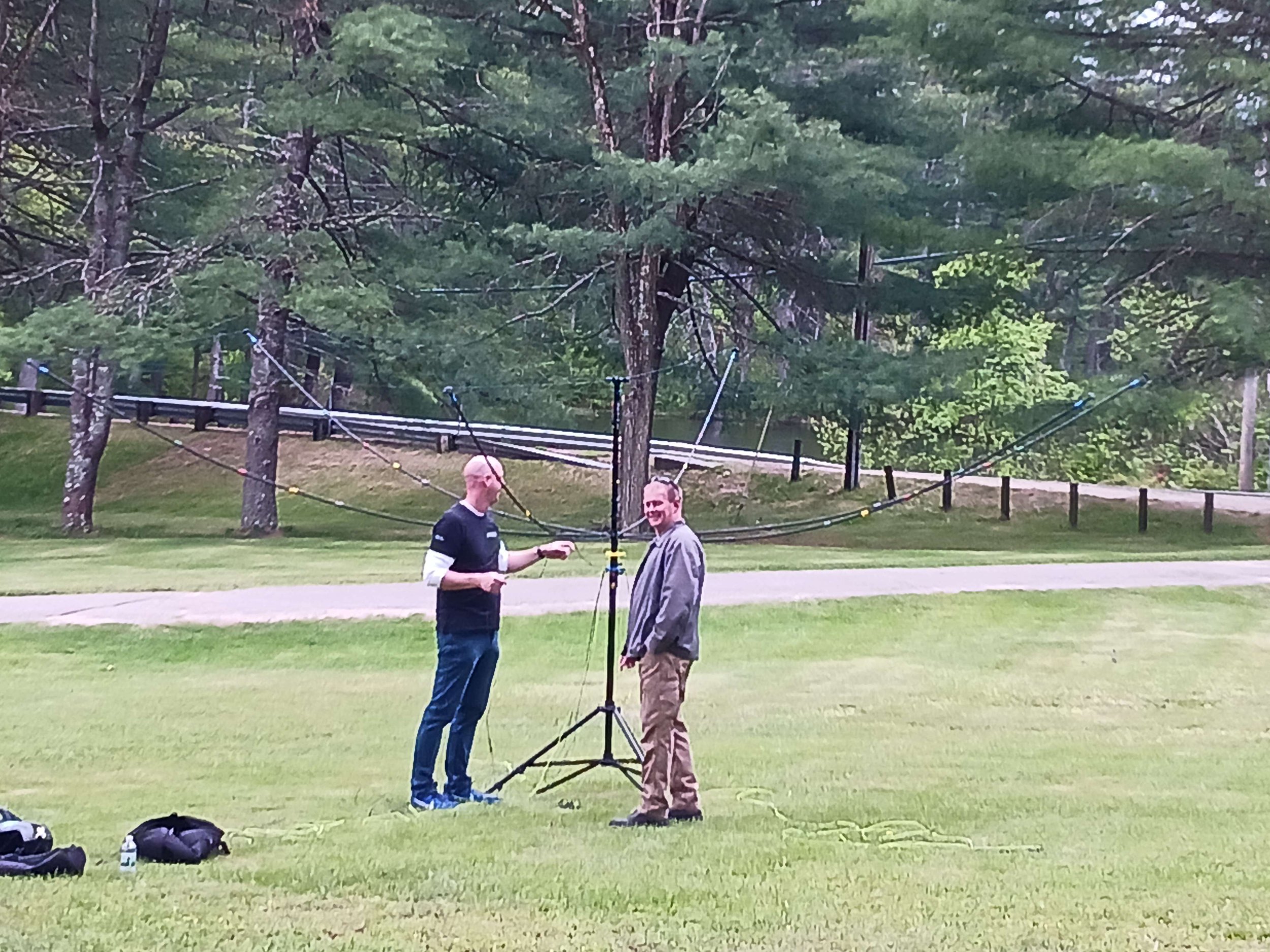
We’ll imagine as the bride/groom a bunch of guys showing up with tents, backpacks, antennas, and gear and begin erecting large wire antennas (picture BuddieHex)
During the wedding event, we made sure to stay off to the side to avoid disrupting any photos or the occasion. As the newlyweds walked by our small set-up of 3 or 4 stations and an easy up, we congratulated them. While putting together the Hex, we overheard some wedding guests jokingly speculate that we might be communicating with aliens or conducting experiments. I chuckled to myself and continued setting up.
After some time, a few guests approached us and asked about our activity. We happily shared information about the Parks on the Air Program, Ham Radio, and where we were from. They were genuinely interested and we invited them to try it out, even though we didn't have any takers. It was still great to share more about the Ham Radio hobby.
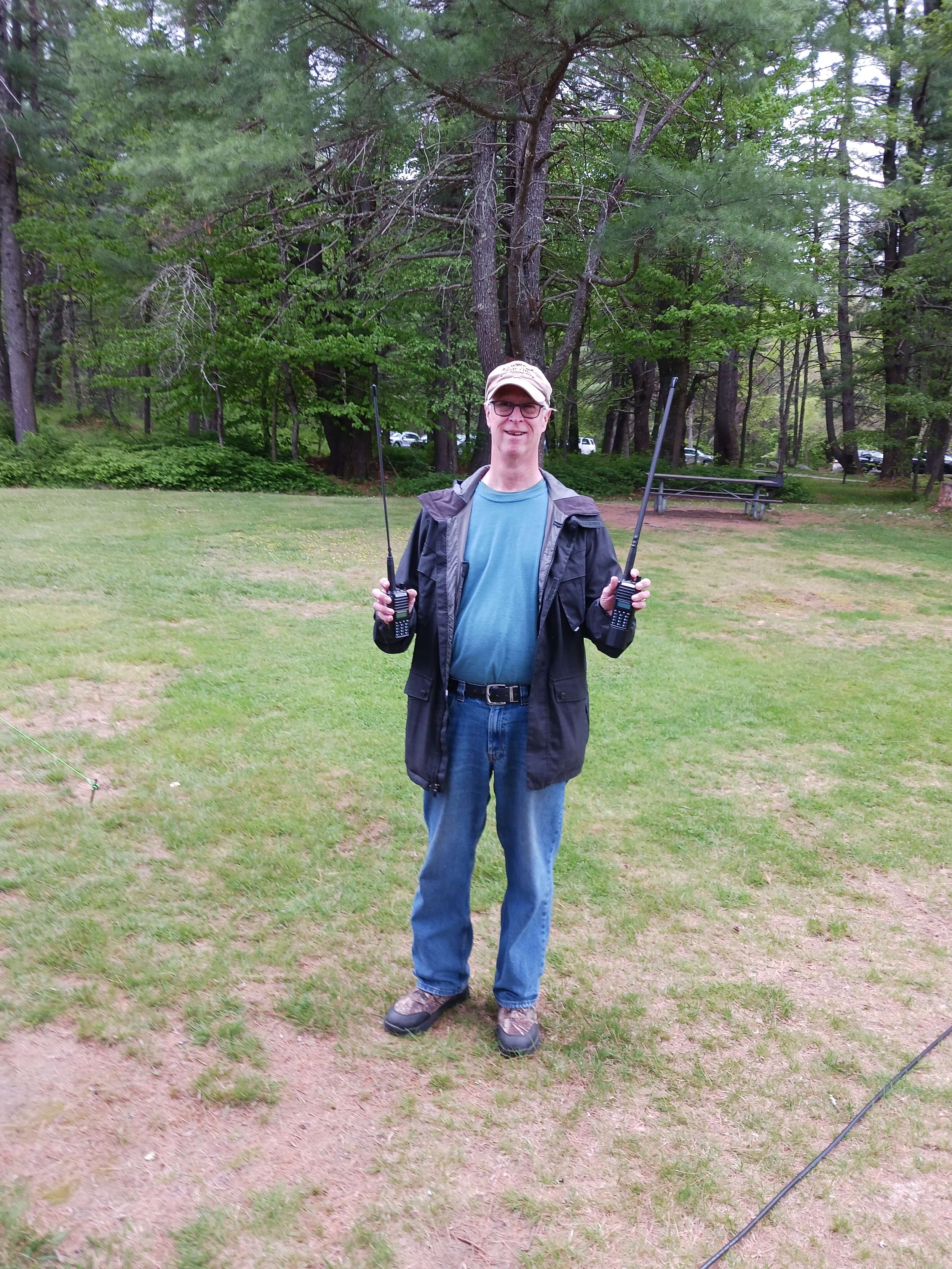
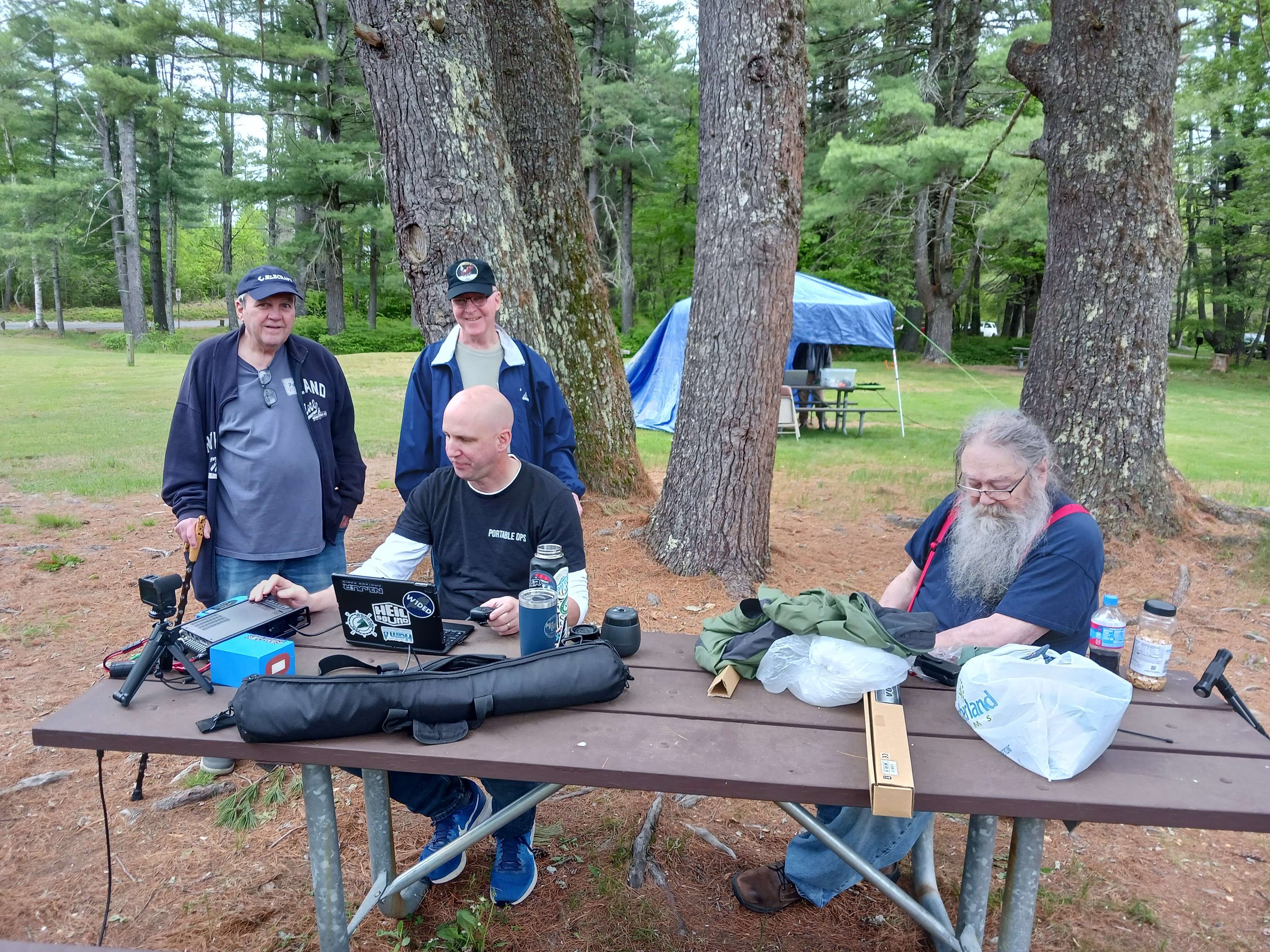
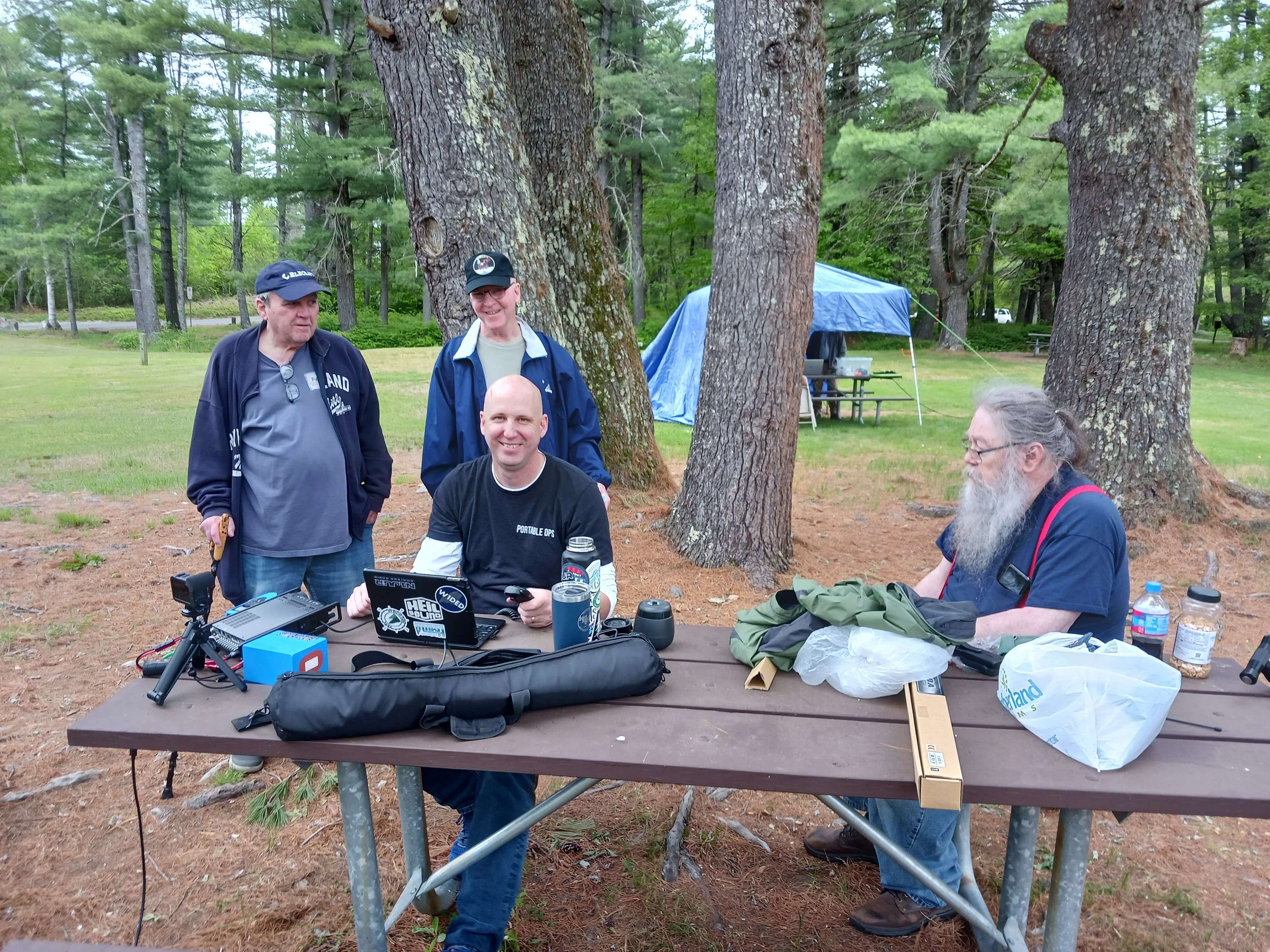
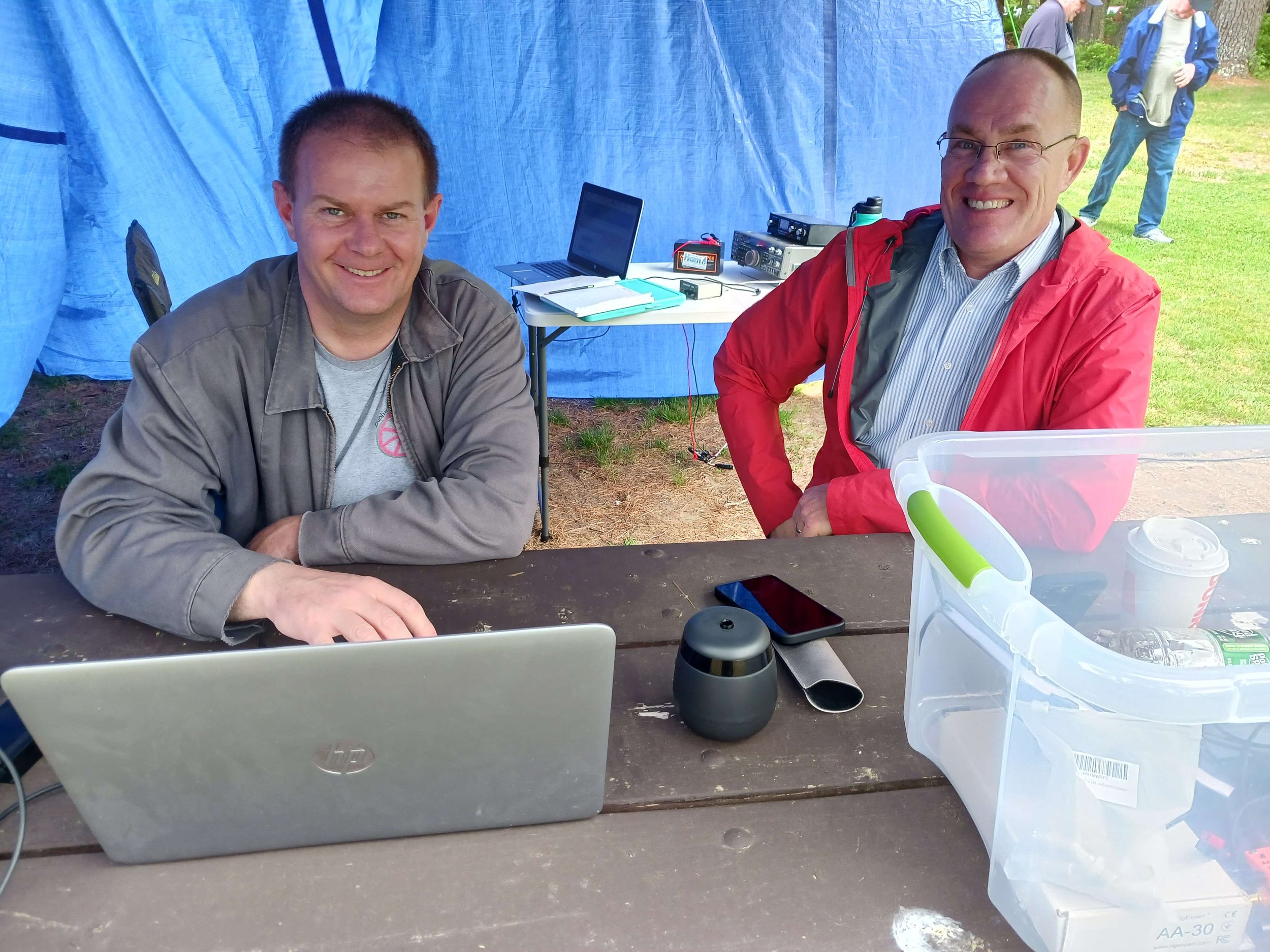
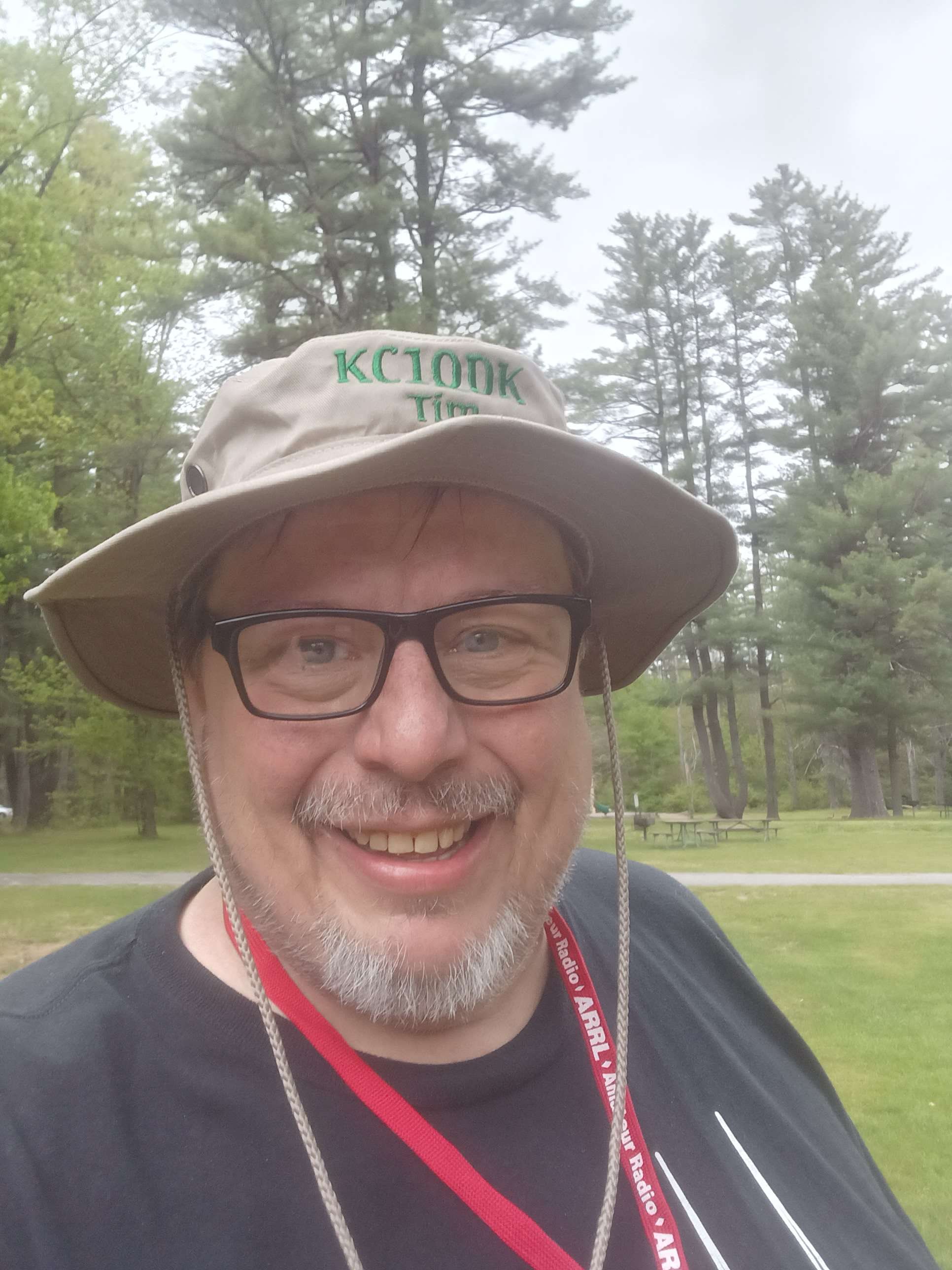
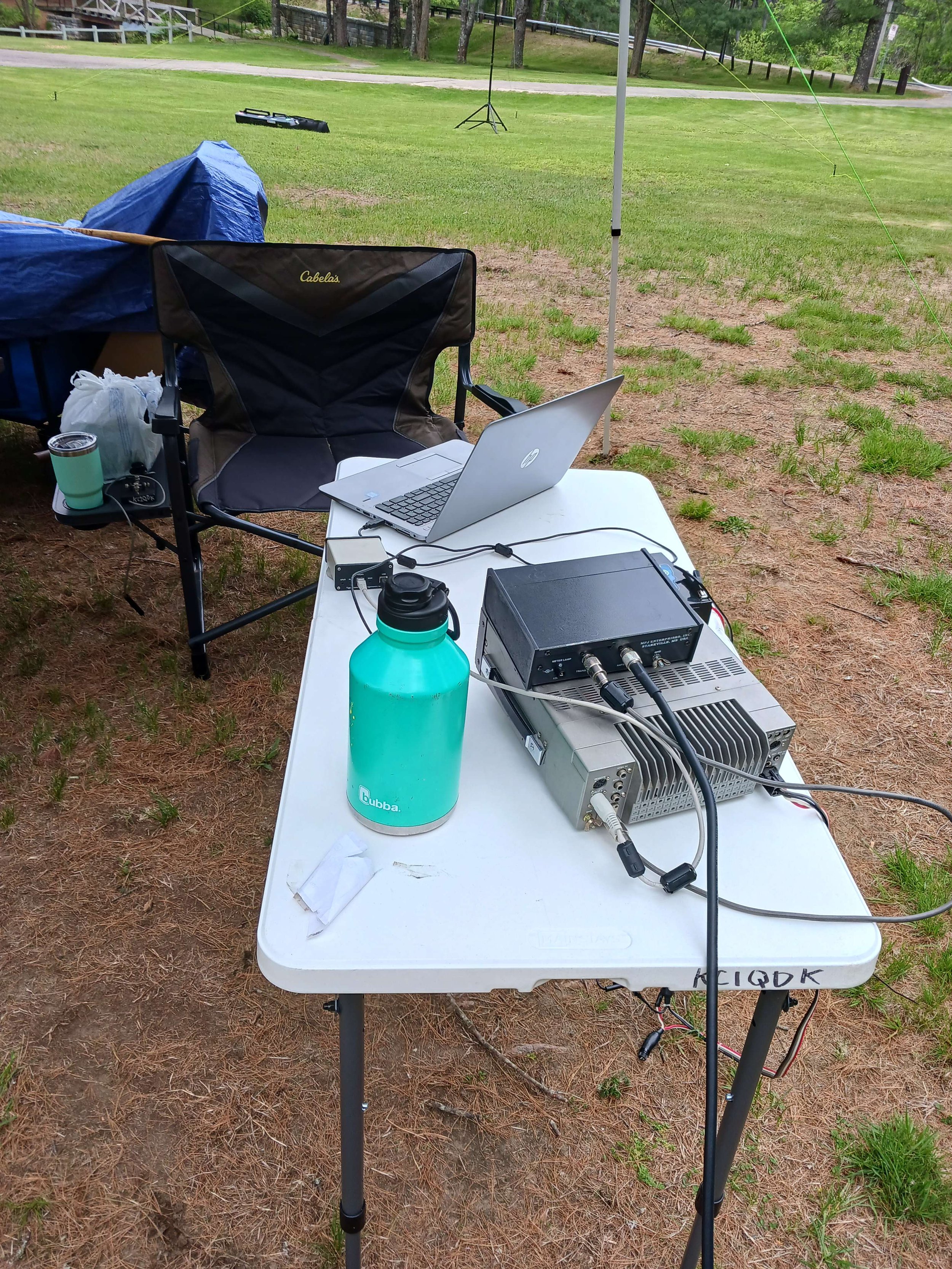
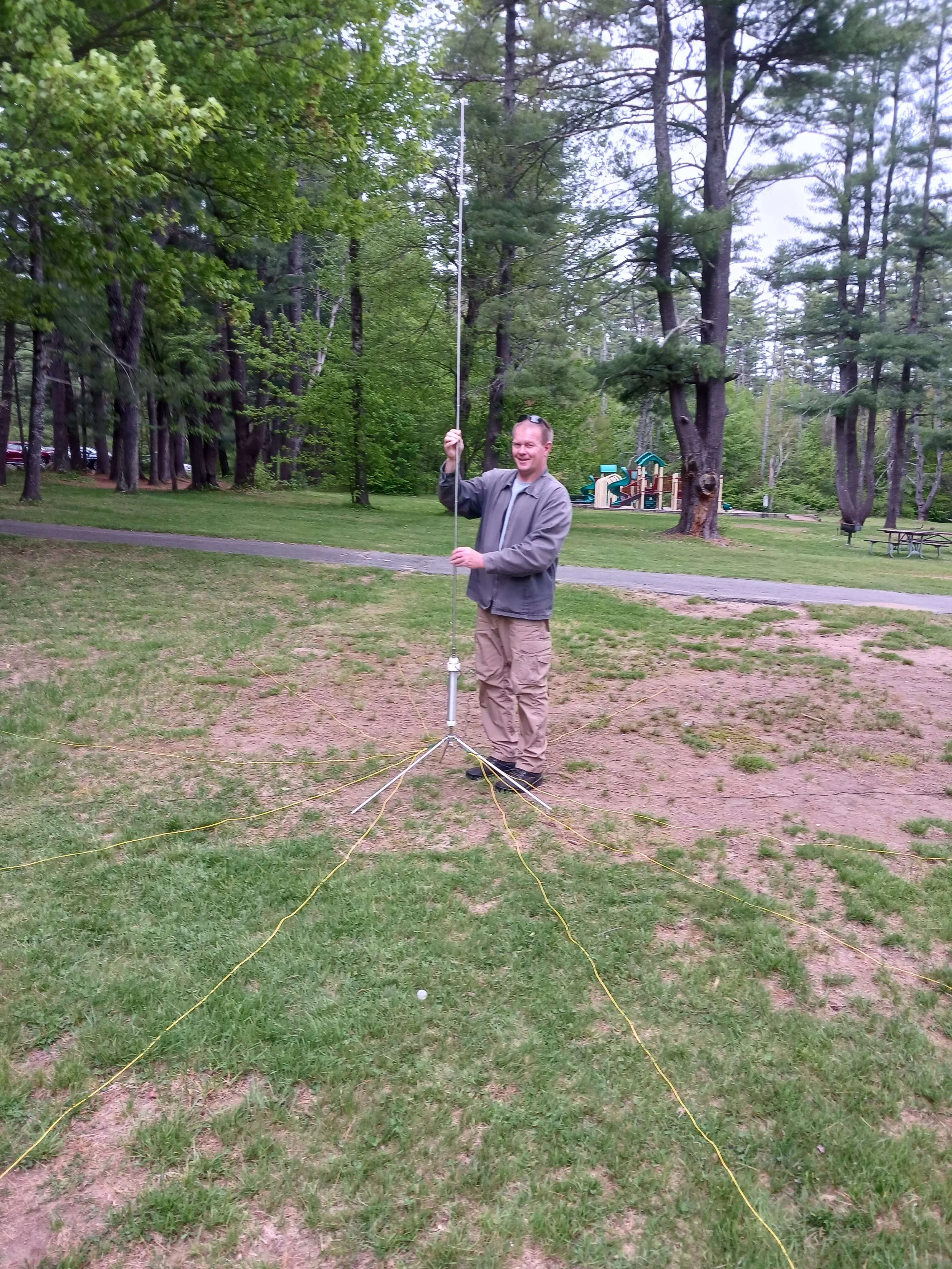
In summary, two of us were able to activate the park with ten contacts on FT8. SSB was challenging for me and I couldn't secure enough to activate the park. Thanks to all that came out to the event (as we had 8 in attendance) and If you're interested in attending a POTA Meetup, check out the POTA website and discord for events in your area. These meetups are an excellent opportunity to learn about portable operations and ask questions. Here are some photos from the event.

Tips on Activating during Contesting weekends
Ever venture out during a contest weekend to activate a Park? We’ll I made that mistake and wanted to share with you some of my life lessons to help make you a better activator
This post has been an idea I have had bouncing around in my head for a while now. I, as a rule of thumb, try not to activate during a contest weekend.
Before you start rolling your eyes or finger point, I know that, in general terms, it’s not the toughest thing to accomplish.
However, for a relatively new ham working, an “everyday” activation has its challenges. Adding in crowded bands, propagation issues, and technical challenges, elevates the bar quite high.
So I took this time to give it a try during CQ QPX Weekend. I posted the video of the activation below.
But here are my takeaways that hopefully can help you when you should run into this scenario.
When activating during a contest weekend, you should….
Be patient - Know that going in the bands will be VERY crowded. Trying to find an activation spot will be flanked with contester one and two kilohertz above your frequency, running some power. Knowing this will keep you level-headed and help you decide on a location. Remember, you can use all the bands -even the WARC ones.
Hunt! - Yes, you can hunt. Most of the contester’s won’t need your park number. You need to know the exchange and work those stations as if they were in your log.
Be Creative - understand that you may have to use other modes or bands to activate the park. I came up short in activating K-4950, but instead of packing it in, I used 2m FM simplex and called out on 146.52 to get the 2 or 3 contacts I needed. The motto is “Use what you brought” and “Use all the bands you can!”
FILTERS, FILTERS, FILTERS! - If your radio has filtering ex. DNR, Noise Reduction, Shift and width you, and you can find a relative open frequency. Then use them to filter out the louder stations above or below you and just work stations you can hear clearly. Learning to pull out the “5-watt QRP” station isn’t the time or place. Treat your activation like a contest and work as many “Qs” in the time you’re allotted.
There are many others, but these four are the best suggestions I can offer and helped me get Reed’s Ferry Activated that day.
Remember, POTA is a process, and every activation is a place to learn your equipment and communication skills for the future.
If there are any other tips I may have missed, I’d love to hear them. Please post them in the comments below.