
Field Notes from N1JUR
Real-world ham radio tips, portable operating lessons, gear thoughts, and activation stories from the field to the shack.
What You’ll Find Here
This blog is where I go deeper than a YouTube description. You’ll find practical ham radio guides, activation lessons, gear breakdowns, and field notes from real operating experiences.
Some posts are beginner-friendly. Some get a little more technical. And some are just honest lessons from the field — because not every activation goes perfectly, and that’s usually where the good stuff happens.
Portable operating tips
POTA, SOTA, and location-based activation ideas
Gear and antenna experiments
Beginner-friendly ham radio guides
Field stories and lessons learned
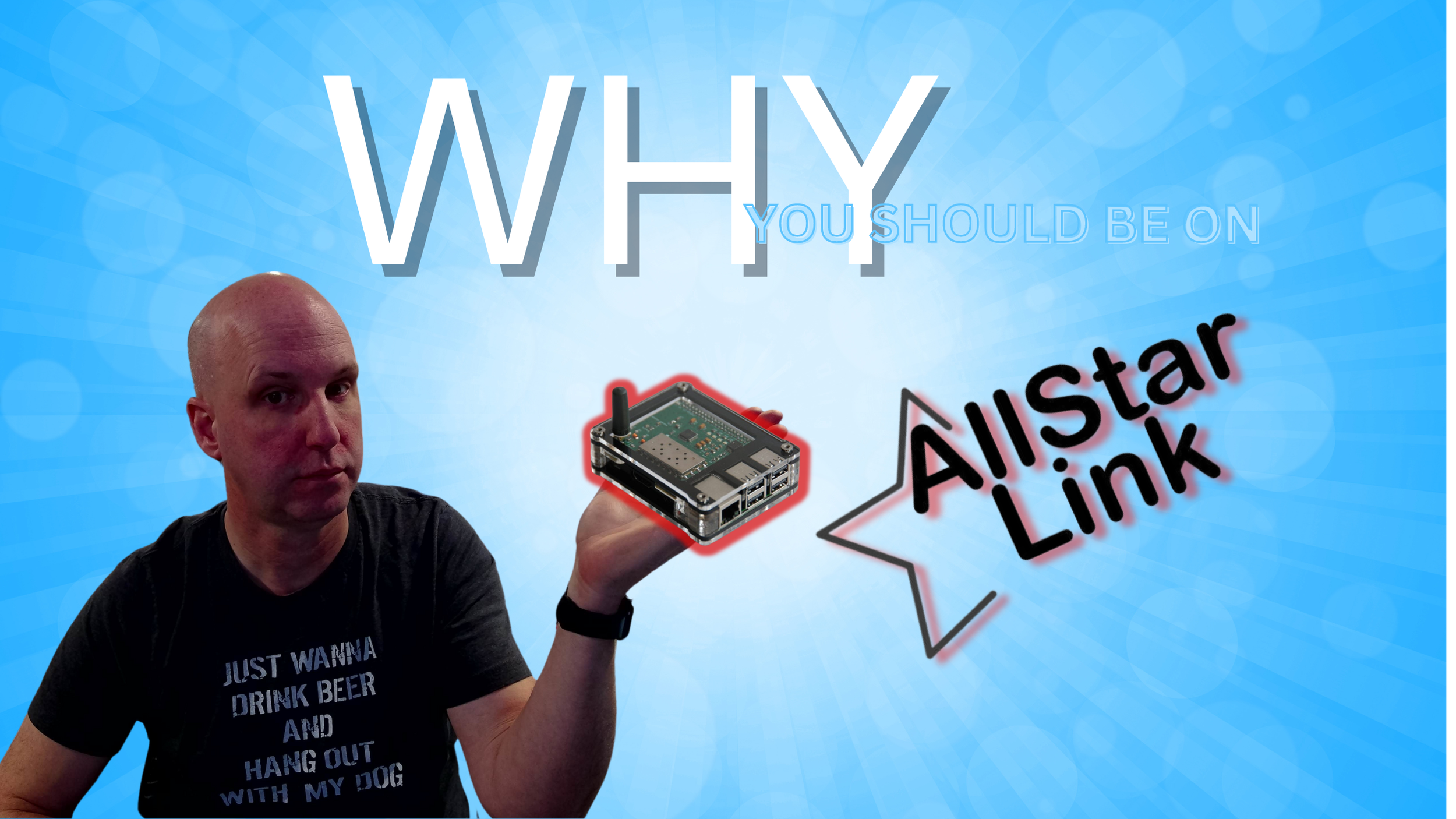
Why You Should Consider Setting Up an AllStar Link
AllStar Link is a network of amateur radio repeaters, remote base stations, and hotspots that allows for voice communication using Voice over Internet Protocol (VoIP) technology. In this blog post, we'll explore the reasons why you should consider setting up an AllStar Link and the benefits it can bring to your amateur radio activities.
Are you looking to expand your amateur radio hobby or improve communication capabilities in your community? If so, setting up an AllStar Link might be the perfect solution for you. AllStar Link is a network of amateur radio repeaters, remote base stations, and hotspots that allows for voice communication using Voice over Internet Protocol (VoIP) technology. In this blog post, we'll explore the reasons why you should consider setting up an AllStar Link and the benefits it can bring to your amateur radio activities.
1. Enhanced Communication Range
One of the primary reasons to set up an AllStar Link is the increased communication range it offers. By connecting your local repeater or hotspot to the AllStar Link network, you can communicate with other users and nodes around the world. This extended range can be especially beneficial during emergencies or when traditional communication methods are unavailable. AllStar Link essentially enables you to create a global network of communication nodes, enhancing the reach of your amateur radio activities.
2. Flexibility and Versatility
AllStar Link is known for its flexibility and versatility. It supports various hardware platforms, including low-cost single-board computers such as the Raspberry Pi, as well as more powerful systems. This means that you can set up an AllStar Link node using equipment that fits your budget and technical expertise. Additionally, AllStar Link is compatible with both analog and digital radio systems, allowing you to integrate it into your existing setup without the need for significant upgrades.
3. Community Building and Collaboration
By participating in the AllStar Link network, you become part of a larger community of amateur radio enthusiasts. This provides opportunities for collaboration, knowledge sharing, and learning from others with similar interests. AllStar Link also facilitates the creation of private networks, enabling local clubs, emergency services, and special interest groups to establish their own communication systems within the broader network.
4. Emergency Communication Preparedness
Amateur radio operators play a crucial role in providing communication support during emergencies and natural disasters. Setting up an AllStar Link node can contribute to the overall preparedness of your community by establishing an alternative communication infrastructure. In times of crisis, when traditional communication channels may be disrupted, AllStar Link can serve as a reliable means of coordinating relief efforts, sharing critical information, and maintaining contact with emergency services.
5. Learning Opportunities
For those interested in technology and telecommunications, setting up an AllStar Link node can be a valuable learning experience. It provides an opportunity to delve into the technical aspects of VoIP, networking, and radio communication protocols. Whether you are a seasoned amateur radio operator or a newcomer to the hobby, the process of configuring and maintaining an AllStar Link node can help you expand your knowledge and skills.
In conclusion, setting up an AllStar Link node offers a range of benefits, from extended communication range and community building to emergency preparedness and learning opportunities. Whether you are an individual enthusiast, a radio club, or an organization involved in emergency response, AllStar Link can enhance your amateur radio activities and contribute to the overall resilience of your community. If you're passionate about amateur radio and eager to explore new possibilities, consider joining the AllStar Link network and experience the advantages it has to offer.

Review: RepeaterPhone for iOS
If you're searching for an application that can link to both echolink and Allstar, then your search is over because RepeaterPhone has arrived.

Recently, I've been searching for an iOS application that can help me connect to the Allstar node. I've been using the Echolink app for a while, but it's starting to feel outdated, even though it allows me to connect via my iPhone. Let's save those comments for later before anyone criticizes it for not being "real radio" and RF infractions.

Before I discuss the app and its features, let me give you some context. My father lives about three hours away from me and has a small radio station. He can connect to many local repeaters and uses Echolink to try to join the club nets in my area. He was successful for some time with an Echolink node connected to the club's repeater. However, for reasons I won't go into, that "lifeline" was taken down, and his communication with the club was cut off.
Although we're still working on a solution, I wanted to find a way to connect him back to the club. That's where my Allstar node comes in. We have a club repeater with a digital connection, but the feedback from members is that analog users hear "digital static" when the machine is in "digital" mode. Balancing between modes can be difficult.
That's where AllStar comes in. For those unfamiliar with this mode, it's an analog IRLP solution that provides a "digital bridge" to other nodes/repeaters worldwide. Like most digital modes, it uses nodes for rooms or reflectors, but there's a huge advantage. You don't need a digital radio.
Now that the nodes are running, I started looking for an "all-star specific" app. That's when I found RepeaterPhone. This app is available on iOS, well-designed, and easy to use. However, the price is a bit steep, considering the features it offers. But I'm not complaining since most apps with a good development team behind them should cost something. In the ham community, we tend to look for the cheapest solution, but sometimes, quality comes at a price.
App Features/Setup

It's pretty simple. First, navigate the settings app and adjust the menu options before creating a new account. One of the best features is the QRZ lookup, which quickly identifies callsigns and nodes. Once that's done, create a new account and enter your Allstar credentials, which are used to log in to the portal and access the node directory. If everything was entered correctly, your Allstar account should be active.
Now, head to the directory tab at the bottom of the page and search for the node you want to connect to. The app is designed with an intuitive layout, similar to the Echolink app, making it easy and enjoyable.
In summary
This application is an excellent complement to your collection of iOS apps for Ham enthusiasts. Its reliable functionality allows you to stay in touch with others. My dad is a frequent app user and has found it a convenient way to connect with Echolink and Allstar and make contacts directly from his mobile device.
You can learn more about the app by heading over to