Field Notes from N1JUR

Real-world ham radio tips, portable operating lessons, gear thoughts, and activation stories from the field to the shack.
What You’ll Find Here

This blog is where I go deeper than a YouTube description. You’ll find practical ham radio guides, activation lessons, gear breakdowns, and field notes from real operating experiences.

Some posts are beginner-friendly. Some get a little more technical. And some are just honest lessons from the field — because not every activation goes perfectly, and that’s usually where the good stuff happens.

  • Portable operating tips

  • POTA, SOTA, and location-based activation ideas

  • Gear and antenna experiments

  • Beginner-friendly ham radio guides

  • Field stories and lessons learned

N1JUR N1JUR

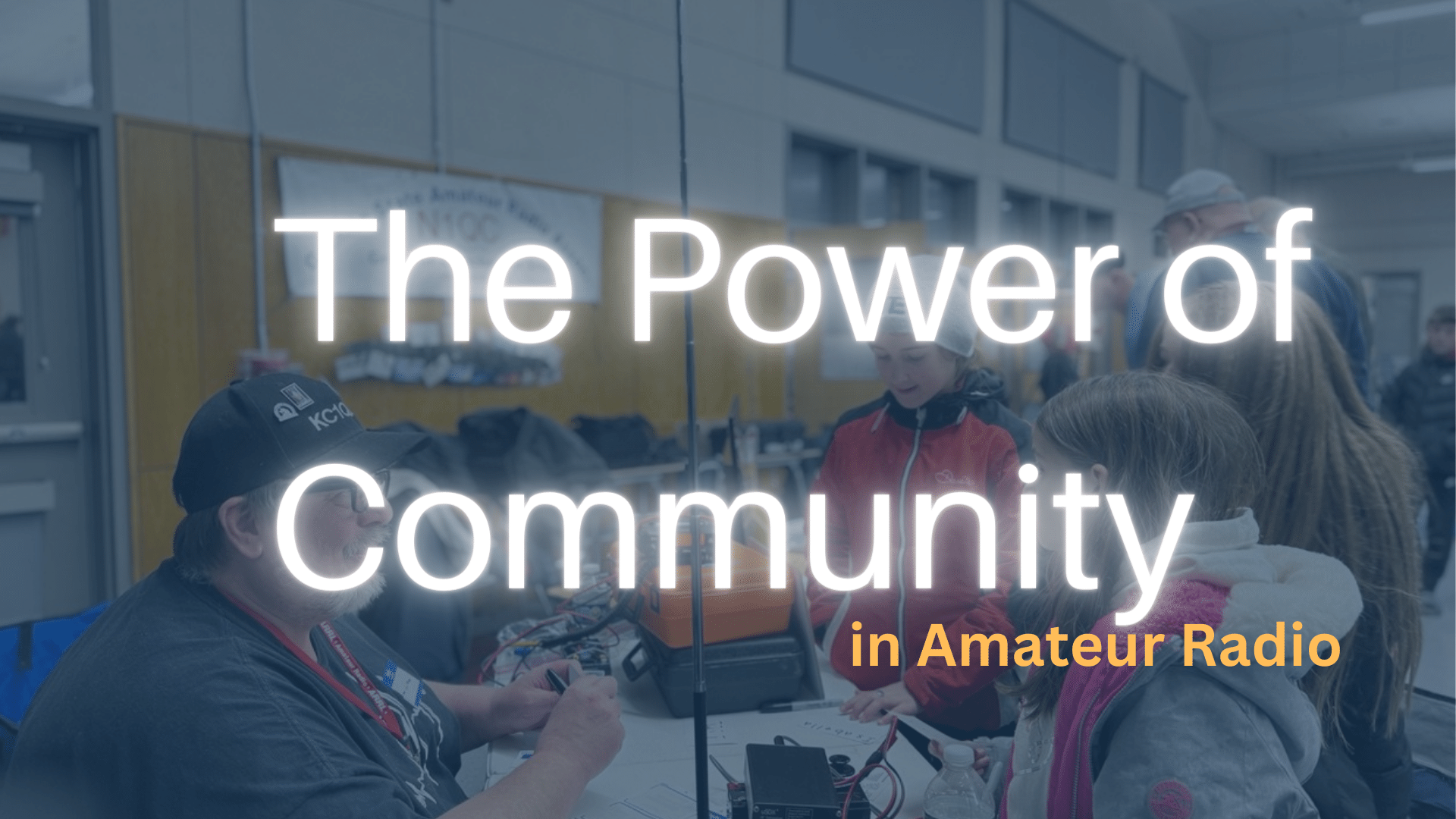
The Power of Community in Amateur Radio: Building Connections and Growing the Hobby Together

One of the key benefits of being part of the amateur radio community is the opportunity to share knowledge and mentorship. Experienced operators often take on the role of mentors, guiding newcomers through getting licensed, setting up their stations, and mastering operating techniques. This knowledge exchange helps newcomers learn and grow strengthens bonds within the community and ensures the transmission of skills and expertise from one generation of hams to the next.

Amateur radio, also known as ham radio, is more than just a hobby—it's a vibrant community of individuals who share a passion for radio communication, technology, and public service. At the heart of this hobby lies the power of community, which plays a crucial role in building connections, fostering collaboration, and growing the hobby among enthusiasts of all ages. In this blog post, we will explore the importance of community in amateur radio and how it contributes to the richness and vitality of the hobby.

Knowledge Sharing and Mentorship:

One of the key benefits of being part of the amateur radio community is the opportunity to share knowledge and mentorship. Experienced operators often take on the role of mentors, guiding newcomers through getting licensed, setting up their stations, and mastering operating techniques. This knowledge exchange helps newcomers learn and grow strengthens bonds within the community and ensures the transmission of skills and expertise from one generation of hams to the next.

Social Engagement and Camaraderie:

Amateur radio provides a platform for social engagement and camaraderie among like-minded individuals who share a common interest in radio communication. Whether connecting over the airwaves, attending club meetings, participating in contests, or volunteering for public service events, hams have numerous opportunities to interact, collaborate, and build lasting friendships with fellow enthusiasts. The sense of community and camaraderie that develops within the amateur radio community fosters a supportive and inclusive environment where individuals can connect, learn, and grow together.

Collaboration and Teamwork:

Community in amateur radio promotes collaboration and teamwork, especially during emergency communication drills, public service events, and field operations. Working together on projects, contests, or community service initiatives allows hams to leverage their collective skills, resources, and expertise to achieve common goals and positively impact their local communities. By fostering a spirit of cooperation and teamwork, the amateur radio community empowers operators to pool their talents and efforts for the greater good, demonstrating the strength and resilience of a united community.

Lifelong Learning and Personal Growth:

Being part of a supportive and vibrant community in amateur radio encourages lifelong learning and personal growth among operators of all skill levels. From exploring new operating modes and technologies to attending workshops, seminars, and training sessions, hams have endless opportunities to expand their knowledge, develop their skills, and pursue their interests in the hobby. The exchange of ideas, experiences, and best practices within the community inspires continuous learning and personal development, fostering a culture of curiosity, innovation, and growth among enthusiasts.

The sense of community in amateur radio is a driving force behind the hobby's growth, sustainability, and vibrancy. By connecting individuals, fostering collaboration, promoting social engagement, and encouraging lifelong learning, the amateur radio community creates a supportive and inclusive environment where operators can thrive, learn, and contribute to the advancement of the hobby. As we continue to build connections, share experiences, and celebrate our shared passion for radio communication, let us embrace the power of community in amateur radio and work together to inspire, educate, and empower the next generation of hams.

Read More
N1JUR N1JUR

Why You Should Consider Setting Up an AllStar Link

AllStar Link is a network of amateur radio repeaters, remote base stations, and hotspots that allows for voice communication using Voice over Internet Protocol (VoIP) technology. In this blog post, we'll explore the reasons why you should consider setting up an AllStar Link and the benefits it can bring to your amateur radio activities.

Are you looking to expand your amateur radio hobby or improve communication capabilities in your community? If so, setting up an AllStar Link might be the perfect solution for you. AllStar Link is a network of amateur radio repeaters, remote base stations, and hotspots that allows for voice communication using Voice over Internet Protocol (VoIP) technology. In this blog post, we'll explore the reasons why you should consider setting up an AllStar Link and the benefits it can bring to your amateur radio activities.

1. Enhanced Communication Range

One of the primary reasons to set up an AllStar Link is the increased communication range it offers. By connecting your local repeater or hotspot to the AllStar Link network, you can communicate with other users and nodes around the world. This extended range can be especially beneficial during emergencies or when traditional communication methods are unavailable. AllStar Link essentially enables you to create a global network of communication nodes, enhancing the reach of your amateur radio activities.


Keep the Conversation Going

What’s one thing you stopped bringing to activations because you realized you never actually needed it? Drop into the Discord and tell the Brew Crew.

Join the N1JUR Discord

2. Flexibility and Versatility

AllStar Link is known for its flexibility and versatility. It supports various hardware platforms, including low-cost single-board computers such as the Raspberry Pi, as well as more powerful systems. This means that you can set up an AllStar Link node using equipment that fits your budget and technical expertise. Additionally, AllStar Link is compatible with both analog and digital radio systems, allowing you to integrate it into your existing setup without the need for significant upgrades.

3. Community Building and Collaboration

By participating in the AllStar Link network, you become part of a larger community of amateur radio enthusiasts. This provides opportunities for collaboration, knowledge sharing, and learning from others with similar interests. AllStar Link also facilitates the creation of private networks, enabling local clubs, emergency services, and special interest groups to establish their own communication systems within the broader network.


Want More Portable Radio Content?

Practical portable operating, POTA discussions, gear reviews, Brew & Activate livestreams, and real-world ham radio content.


4. Emergency Communication Preparedness

Amateur radio operators play a crucial role in providing communication support during emergencies and natural disasters. Setting up an AllStar Link node can contribute to the overall preparedness of your community by establishing an alternative communication infrastructure. In times of crisis, when traditional communication channels may be disrupted, AllStar Link can serve as a reliable means of coordinating relief efforts, sharing critical information, and maintaining contact with emergency services.

5. Learning Opportunities

For those interested in technology and telecommunications, setting up an AllStar Link node can be a valuable learning experience. It provides an opportunity to delve into the technical aspects of VoIP, networking, and radio communication protocols. Whether you are a seasoned amateur radio operator or a newcomer to the hobby, the process of configuring and maintaining an AllStar Link node can help you expand your knowledge and skills.

In conclusion, setting up an AllStar Link node offers a range of benefits, from extended communication range and community building to emergency preparedness and learning opportunities. Whether you are an individual enthusiast, a radio club, or an organization involved in emergency response, AllStar Link can enhance your amateur radio activities and contribute to the overall resilience of your community. If you're passionate about amateur radio and eager to explore new possibilities, consider joining the AllStar Link network and experience the advantages it has to offer.

Support N1JUR

Like What’s Happening Here?

N1JUR is built around helping more people get active in ham radio through videos, Field Notes, POTA content, live streams, gear reviews, and community.

If you already watch the channel and want to support more of the work behind it, memberships are one way to help keep the signal going.

Read More
N1JUR N1JUR

Exploring the Differences and Benefits of Popular Ham Radio Logging Applications

With a wide array of logging software available, each offering unique features and capabilities, it can be challenging to determine which application best suits your specific needs. In this blog post, we'll explore some of the most popular ham radio logging applications, highlighting their differences and the advantages they offer to radio enthusiasts.

In the world of amateur radio, logging applications play a crucial role in managing contacts, tracking activities, and organizing essential information for radio operators. With a wide array of logging software available, each offering unique features and capabilities, it can be challenging to determine which application best suits your specific needs. In this blog post, we'll explore some of the most popular ham radio logging applications, highlighting their differences and the advantages they offer to radio enthusiasts.

1. Ham Radio Deluxe (HRD)

Ham Radio Deluxe is a comprehensive suite of tools designed to meet the needs of amateur radio operators. The software provides logging, rig control, digital modes, satellite tracking, and more, all integrated into a single platform. HRD offers a user-friendly interface and supports a wide range of transceivers and accessories, making it a versatile choice for operators with diverse equipment setups. Additionally, HRD's integration of various functions streamlines the logging process and enhances the overall operational efficiency for radio enthusiasts.

Pros:

- All-in-one solution for logging, rig control, and digital modes

- User-friendly interface

- Extensive support for different transceivers and accessories

2. N1MM Logger+

N1MM Logger+ is a popular contest logging software known for its robust features tailored specifically for contesting activities. The application provides advanced contest-specific tools, such as multipliers tracking, dupe checking, and scoring, making it an indispensable tool for competitive radio operators. N1MM Logger+ is highly customizable, allowing users to configure the software to suit their specific contesting needs and preferences.

Pros:

- Specialized features for contest logging

- Highly customizable

- Strong support for various contest formats and rules

3. Log4OM

Log4OM is a feature-rich logging software that excels in providing a comprehensive and customizable logging experience. The application offers support for a wide range of features, including DX cluster integration, satellite tracking, QSO mapping, and awards tracking. Log4OM's flexible interface allows users to tailor the software to their individual preferences, ensuring that it meets the specific requirements of diverse operating styles and preferences.

Pros:

- Comprehensive feature set, including DX cluster integration and awards tracking

- Customizable interface to match individual preferences

- Strong support for satellite tracking and mapping

4. QRZ Logbook

QRZ Logbook is an online logging service that offers a convenient and accessible platform for managing amateur radio contacts. The service enables users to log their contacts online, access their logs from any internet-connected device, and benefit from extensive call sign database integration. QRZ Logbook also provides features for QSL management, award tracking, and real-time propagation information.

Pros:

- Online accessibility and synchronization across devices

- Extensive call sign database integration

- QSL management and award tracking features

In conclusion, the choice of a ham radio logging application ultimately depends on your specific needs, operating preferences, and equipment setup. Whether you prioritize all-in-one functionality, specialized contesting features, comprehensive logging capabilities, or online accessibility, there is a logging application that can cater to your requirements. By considering the unique features and benefits of each logging software, you can make an informed decision and enhance your amateur radio experience with an application that best aligns with your operational goals.

Read More
N1JUR N1JUR

Exploring SATNOG: A Revolutionary Approach to Satellite Ground Stations

SATNOG represents a community-driven effort to establish a global network of open-source satellite ground stations, providing enthusiasts and researchers with an accessible platform for tracking, receiving, and decoding satellite transmissions. In this blog post, we'll delve into what SATNOG is, its significance, and the compelling reasons why you might want to set up a SATNOG ground station of your own.

In recent years, an innovative project has been gaining traction in the realm of amateur radio and satellite communication: the Satellite Networked Open Ground Stations (SATNOG). SATNOG represents a community-driven effort to establish a global network of open-source satellite ground stations, providing enthusiasts and researchers with an accessible platform for tracking, receiving, and decoding satellite transmissions. In this blog post, we'll delve into what SATNOG is, its significance, and the compelling reasons why you might want to set up a SATNOG ground station of your own.

What is SATNOG?

At its core, SATNOG is a project that aims to democratize access to satellite ground station technology by creating a decentralized network of ground stations across the globe. The project is built upon the principles of open-source hardware and software, enabling individuals and communities to construct, operate, and share data from their own ground stations. SATNOG ground stations are designed to track and communicate with a wide array of satellites, including amateur radio satellites, educational cubesats, and scientific missions.

The SATNOG network is powered by a web-based platform that facilitates the coordination and scheduling of ground stations, as well as the collection and dissemination of satellite telemetry and other data. This shared infrastructure allows participants to contribute to satellite missions, conduct educational outreach, and engage in citizen science initiatives by collaborating with researchers and organizations around the world.

Why Set Up a SATNOG Ground Station?

1. Access to Satellite Data and Telemetry

By setting up a SATNOG ground station, you gain the ability to receive and decode telemetry data from a diverse range of satellites. This presents an exciting opportunity to engage with real-world satellite missions, participate in scientific research, and contribute valuable data to the broader satellite community. Whether you're interested in environmental monitoring, amateur radio experimentation, or simply exploring the frontiers of space technology, a SATNOG ground station can provide you with direct access to satellite data and communications.

2. Educational and Outreach Opportunities

SATNOG ground stations are well-suited for educational initiatives and outreach programs aimed at fostering interest in science, technology, engineering, and mathematics (STEM). By integrating a ground station into educational curricula or community workshops, you can offer hands-on learning experiences that showcase the practical applications of satellite communication and tracking. Moreover, SATNOG's open and collaborative nature encourages knowledge sharing and mentorship, making it an ideal platform for nurturing the next generation of satellite enthusiasts and engineers.

3. Contributing to Citizen Science

Participating in the SATNOG network allows you to actively contribute to citizen science efforts focused on satellite missions and space exploration. By capturing and sharing satellite telemetry and observations, you can support scientific research, monitor environmental changes, and assist in the verification and validation of satellite operations. This engagement in citizen science not only enriches your own understanding of satellite technology but also has the potential to make meaningful contributions to scientific endeavors on a global scale.

4. Community Engagement and Collaboration

By establishing a SATNOG ground station, you become part of a thriving community of satellite enthusiasts, researchers, and educators who are passionate about space technology. Through the SATNOG network, you can collaborate with like-minded individuals, share your experiences, and benefit from the collective expertise of the community. This collaborative spirit fosters an environment of innovation, creativity, and knowledge exchange, leading to new discoveries and advancements in satellite communication

Keep the Conversation Going

What’s one thing you stopped bringing to activations because you realized you never actually needed it? Drop into the Discord and tell the Brew Crew.

Join the N1JUR Discord
Read More
N1JUR N1JUR

5 Ways to Elevate Your Winter Field Day Experience

Whether you're a seasoned operator or new to the event, here are five key areas to focus on in order to enhance your Winter Field Day experience.

Winter Field Day is an exciting event that challenges amateur radio operators to set up portable stations and operate outdoors in the midst of winter. With its unique set of challenges and opportunities, Winter Field Day offers a chance for participants to hone their skills and embrace the spirit of adventure. Whether you're a seasoned operator or new to the event, here are five key areas to focus on in order to enhance your Winter Field Day experience.

1. Cold Weather Preparation

Preparation is key when it comes to operating outdoors in winter conditions. Make sure to dress appropriately for the weather, layering clothing to stay warm and dry. Consider investing in high-quality winter gear, such as insulated boots, gloves, and a weather-resistant outer layer. Additionally, be mindful of safety precautions, such as protecting yourself from frostbite and hypothermia. Adequate preparation for the cold will ensure that you can focus on operating your station effectively without being hampered by the elements.

2. Efficient Antenna Setup

Setting up antennas in winter weather can be more challenging than in milder conditions. Take the time to plan and practice your antenna setup beforehand to ensure efficiency and reliability. Consider using antennas that are easy to deploy and withstand winter conditions, such as sturdy verticals or wire antennas. Additionally, be mindful of potential issues such as ice accumulation on antennas and how it may affect their performance. By optimizing your antenna setup for winter conditions, you can maximize your station's effectiveness during Winter Field Day.

3. Power Management

Managing power effectively is crucial for a successful Winter Field Day operation. Cold temperatures can impact battery performance, so it's important to have a reliable power source and backup plan in place. Consider using deep-cycle batteries or portable power generators suited for cold weather operation. Additionally, be mindful of power consumption, optimizing your station's setup to conserve energy and extend operating time. By paying attention to power management, you can ensure uninterrupted operation throughout the event.

4. Operating Strategy

Developing a solid operating strategy can greatly enhance your Winter Field Day experience. Consider factors such as band selection, propagation conditions, and operating modes to maximize your contact count. Be adaptable and ready to adjust your strategy based on changing conditions. Take advantage of the event's unique rules, such as bonus points for emergency power and operating in non-traditional locations, to add an extra layer of challenge and excitement to your experience.

5. Embracing the Camaraderie

Winter Field Day is not just about radio operation—it's also an opportunity to connect with fellow enthusiasts and share the experience of operating in challenging conditions. Embrace the camaraderie of the event by collaborating with teammates, sharing knowledge and resources with other participants, and celebrating the unique aspects of winter outdoor operation. Engaging with the broader amateur radio community during Winter Field Day can lead to valuable connections, new friendships, and a deeper appreciation for the spirit of amateur radio.

In conclusion, Winter Field Day offers a fantastic opportunity to test your skills, push your limits, and connect with like-minded individuals in the amateur radio community. By focusing on cold weather preparation, efficient antenna setup, power management, operating strategy, and embracing camaraderie, you can elevate your Winter Field Day experience and make the most of this exciting event. Whether you're braving the elements alone or participating as part of a team, these key areas of improvement can help you maximize your enjoyment and success during Winter Field Day.

Read More